Burkina Faso Cuts Ties With France — Then a Junta Insider Reportedly Seeks French Medical Care
Ouagadougou’s break with Paris is real. Reports that Ibrahim Traoré’s brother sought a French medical visa add a politically explosive hypocrisy angle — if confirmed.
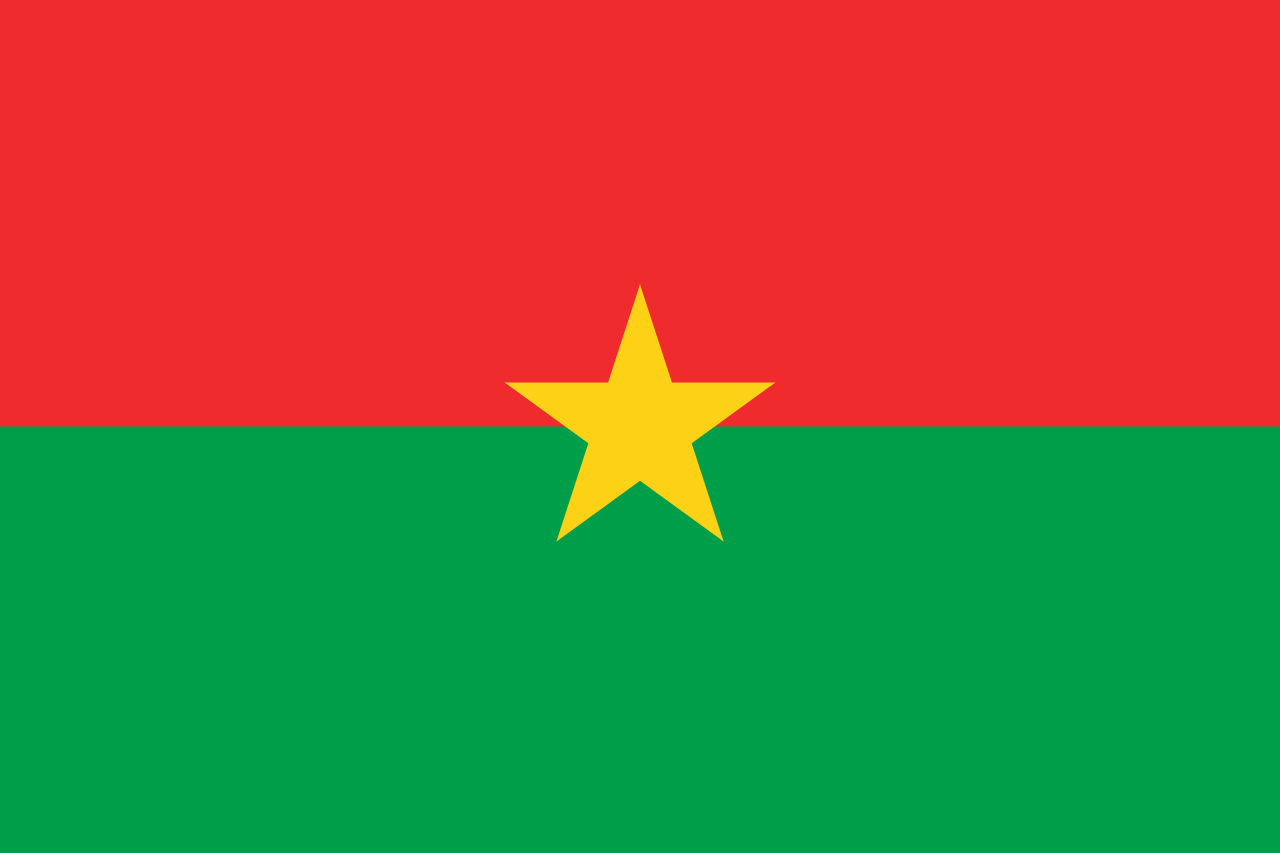
Burkina Faso’s military government has formally broken diplomatic relations with France, accusing its former colonial ruler of interference and hostile behavior. That decision was already a major geopolitical rupture. Then came an even more explosive report: Inoussa Traoré, older brother and adviser to junta leader Ibrahim Traoré, allegedly sought a French visa for medical care after the diplomatic break.
The first part is confirmed. Burkina Faso announced on June 26 that it was severing diplomatic ties with France, deepening a rift that has been widening since the 2022 military takeover. The junta has built much of its legitimacy on anti-French rhetoric, sovereignty language and a promise to free the country from neo-colonial dependency. Paris says it regrets the break and is considering reciprocal measures.
The second part — the reported visa request — requires caution. If true, it is politically devastating. It would expose the contradiction that has haunted many anti-Western governments: denounce the West in public, rely on Western hospitals, banks, universities or passports in private. If false or exaggerated, it may be information warfare designed to embarrass a junta that has made symbolic sovereignty central to its image.
Either way, the story lands because it feels plausible to many observers. Across the Sahel, anti-French politics has become a powerful mobilizing tool. France is blamed for military failure, economic dependency, diplomatic arrogance and decades of post-colonial influence. Some of that criticism is historically grounded. French policy in West Africa has often mixed security cooperation, economic interest and elite relationships. Many Africans resent the paternalistic tone of French diplomacy.
But anti-French politics does not automatically solve security problems. Burkina Faso remains under enormous pressure from jihadist violence, internal displacement and military abuses. Breaking relations with Paris may satisfy nationalist sentiment, but it does not by itself restore control over territory or improve governance. If anything, diplomatic isolation can make humanitarian and medical systems weaker.
That is why the medical-visa allegation is so sensitive. The question is not whether any individual has the right to seek treatment abroad. The question is whether ruling elites who attack foreign systems as enemies still reserve access to those systems for themselves while ordinary citizens are told to sacrifice for sovereignty.
France also faces questions. If a senior figure connected to a hostile junta requests a visa, should Paris grant it on humanitarian grounds, refuse it as a diplomatic response, or quietly use it as leverage? Each option carries risk. Denial could be portrayed as cruelty. Approval could be portrayed as weakness or double standards.
The bigger issue is what Burkina Faso’s break means for the Sahel. Mali, Niger and Burkina Faso have all moved away from France and toward alternative security partners, including Russia-linked structures and regional military cooperation. Supporters call this decolonization. Critics call it a dangerous swap of one dependency for another.
The diplomatic rupture will not disappear. Burkina Faso has chosen confrontation with Paris. Now it must show that sovereignty is more than a slogan. It must deliver security, healthcare and economic stability without the partner it has rejected.