Day 9 of the U.S.-Iran MoU: Is the Peace Deal Already Becoming a List of Violations?
Supporters say the memorandum reopened Hormuz and paused the war. Critics say U.S. buildup, Israeli operations, frozen assets and new strikes show the deal is already fraying.
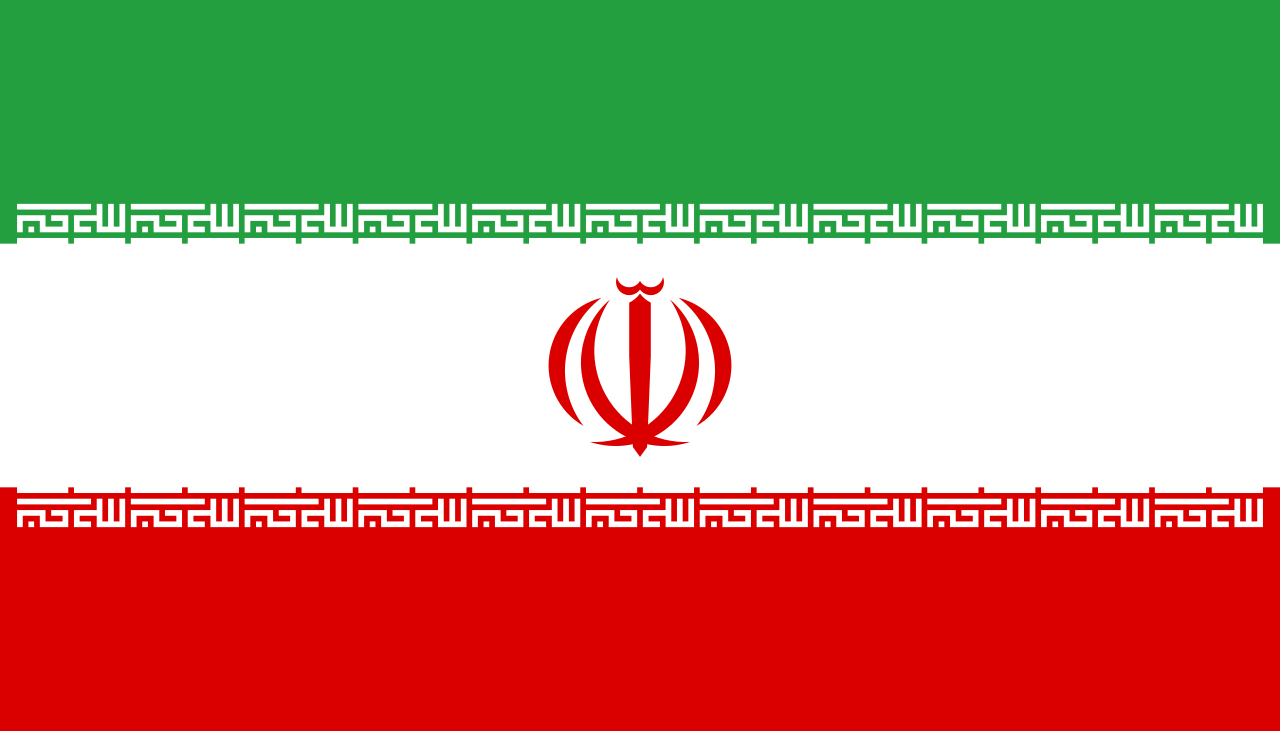
Nine days into the U.S.-Iran memorandum, the argument has shifted from celebration to accounting. Supporters say the agreement reopened the Strait of Hormuz, reduced the risk of regional depression and created a path toward negotiations. Critics say the document is already being hollowed out by military buildup, Israeli operations, frozen assets, sanctions delays and renewed strikes.
The emerging checklist is politically explosive. U.S. forces and equipment are still building up in the region, which critics call a violation of the agreement’s spirit if not its exact wording. War and occupation continue in Lebanon and Palestine, which Tehran and its allies argue violates clauses promising an end to war on all fronts. Iranian vessels have begun moving through the former blockade environment, but oil sanctions have not been fully lifted. Frozen assets have reportedly not yet been released in the way Iran expected. American officials continue to threaten Tehran. U.S. strikes on Iranian territory have occurred after attacks on commercial shipping.
From Washington’s perspective, the criticism is selective. The U.S. argues that Iran violated the deal by attacking ships or trying to impose coercive control over Hormuz. It says military strikes were defensive responses to Iranian actions, not a return to war. It argues that asset release and sanctions relief are conditional, phased and tied to Iran’s compliance. It also insists that Israel’s Lebanon operations involve a separate security file, even if Iran refuses to separate them.
That disagreement exposes the central weakness of the memorandum: different parties appear to be reading different deals.
Iran seems to understand the MoU as a broad political settlement: end the war on all fronts, reopen Hormuz under Iranian-recognized arrangements, lift blockades, release assets, ease sanctions and move toward nuclear talks. The U.S. seems to understand it as a narrower ceasefire-and-negotiation framework: stop attacks, keep shipping moving, begin talks, and phase relief based on behavior. Israel seems to view the document as irrelevant to its freedom of action in Lebanon unless U.S. pressure forces restraint.
Those interpretations can survive in a press conference. They cannot survive repeated military incidents.
The asset question may become the most politically damaging. Trump has said no money has been given to Iran by the U.S. and that some Iranian money controlled by Washington will be used to purchase American agricultural goods for Iran. Tehran may view that as sanctions relief with restrictions. Critics may view it as Iran not actually receiving its own funds. U.S. farmers may view it as a win. Iranian hardliners may view it as humiliation.
The military buildup question is equally dangerous. The U.S. says it must protect shipping, bases and allies while the agreement is tested. Iran sees buildup as preparation for another strike. In a region where warning time is short, defensive posture can look offensive.
Lebanon may be the deal’s fatal ambiguity. Iran’s foreign minister has repeatedly connected the end of war in Lebanon to the U.S.-Iran arrangement. Israel insists it must destroy Hezbollah infrastructure and secure its northern border. If Israeli operations continue, Iran can argue the first clause is being violated. If Hezbollah responds, Israel can argue the security zone is justified.
The Day 9 audit does not prove the deal is dead. Many ceasefires begin messy. Implementation is always contested. But the number of disputed clauses suggests the memorandum may have been more political theater than durable architecture. The question now is whether Doha can turn a vague political document into specific mechanisms before the next drone, missile or Israeli strike makes the accounting irrelevant.