Ghalibaf Rejects Trump’s Grain Claim: Who Really Controls Iran’s Frozen Money?
Iran’s parliament speaker says Trump is wrong to claim unfrozen Iranian funds can only buy U.S. grain from American farmers. The dispute reveals how fragile the U.S.-Iran memorandum really is.
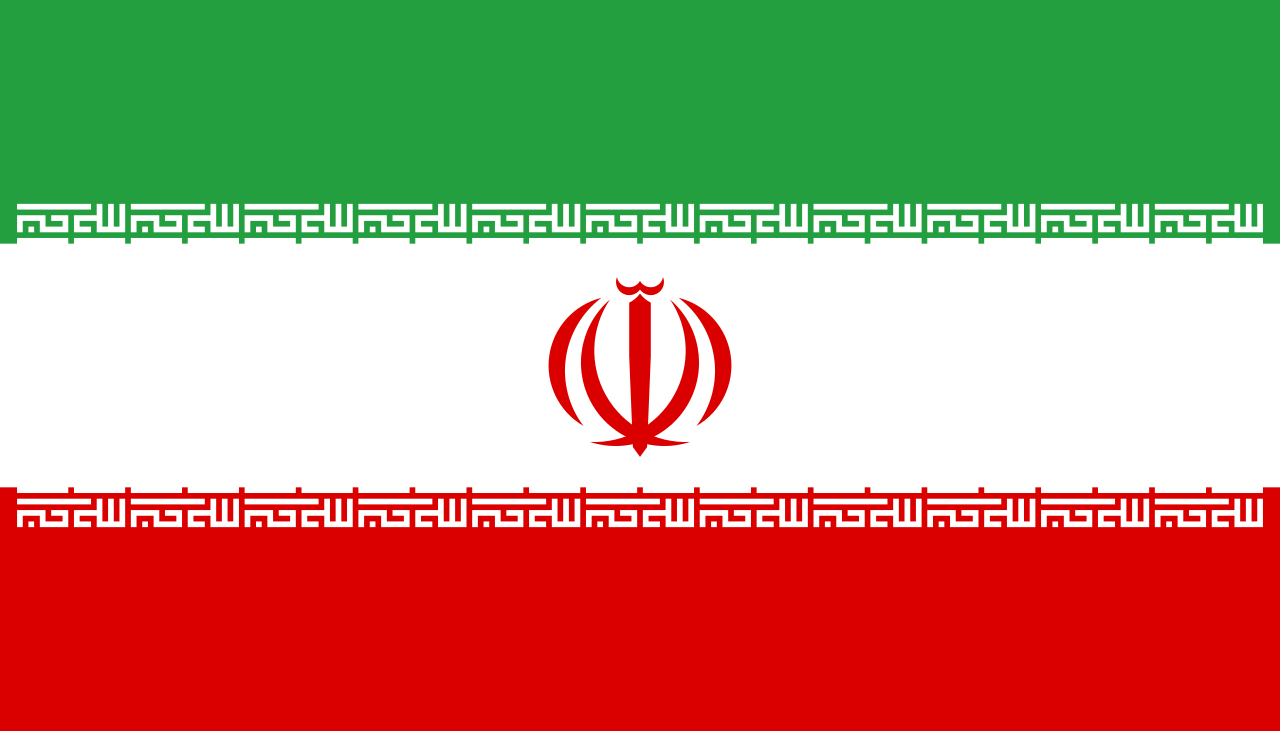
Iranian Parliament Speaker Mohammad Bagher Ghalibaf is pushing back against one of Donald Trump’s most politically useful lines about the U.S.-Iran memorandum: that unfrozen Iranian money will be tightly controlled and used only to buy grain, food and agricultural products from American farmers.
Trump’s version is simple. Iran gets food. American farmers get sales. U.S. taxpayers do not hand Tehran cash. Washington controls the money. It is a perfect domestic message: diplomacy with Iran becomes a farm-state victory.
Ghalibaf’s rejection attacks the logic directly. From Tehran’s perspective, frozen Iranian assets are Iranian property. If the money is “released” only to be spent on U.S.-approved goods through U.S.-approved channels, Iran can argue that the funds are not truly released at all. They have simply been converted into a purchasing mechanism that makes the White House look strong.
This is not a technical disagreement. It is a sovereignty dispute.
Washington needs the deal to look controlled. Trump cannot afford accusations that he handed billions to Iran after weeks of war, missile exchanges and pressure on the Strait of Hormuz. Tehran needs the deal to look dignified. Iranian officials cannot sell an agreement at home if it appears that Iran’s own money can only be used as Washington permits.
Both sides may be describing the same financial mechanism in different political languages. U.S. officials may call it humanitarian disbursement. Iran may call it conditional access. Trump may call it a win for farmers. Ghalibaf may call it misinformation.
Timing makes the issue more explosive. U.S. officials have indicated that funds may be released in stages, tied to performance benchmarks. Iran wants immediate and visible relief. If the money remains locked until Washington decides Iran has complied, Tehran will say America is repeating the old JCPOA problem: extracting concessions while delaying benefits.
The food issue is sensitive because Iran does need imports. War, sanctions, inflation and logistics disruption have strained the economy. But need does not erase politics. A country can require grain and still reject the symbolism of being forced to buy it from the very power that froze its assets.
The deeper question is what kind of deal this memorandum actually is. Is it a step toward normalization? Or a temporary ceasefire wrapped in ambiguous financial language? If Washington controls the funds, Iran may say the deal is hollow. If Iran controls them, U.S. hawks will call it capitulation. If vendors control them, both sides may claim victory while quietly fighting over invoices.
Diplomacy often survives by using ambiguity. But implementation dies on details. Ghalibaf’s pushback shows that the U.S.-Iran deal may not collapse over missiles or ships. It may collapse over a simpler question: who gets to define what “unfrozen” really means?