Hillary Clinton Says Netanyahu Pushed ‘Relentlessly’ for Iran War: Was America Being Played?
Clinton’s remarks about Netanyahu’s pressure campaign against Iran revive a central question: when does alliance management become manipulation?
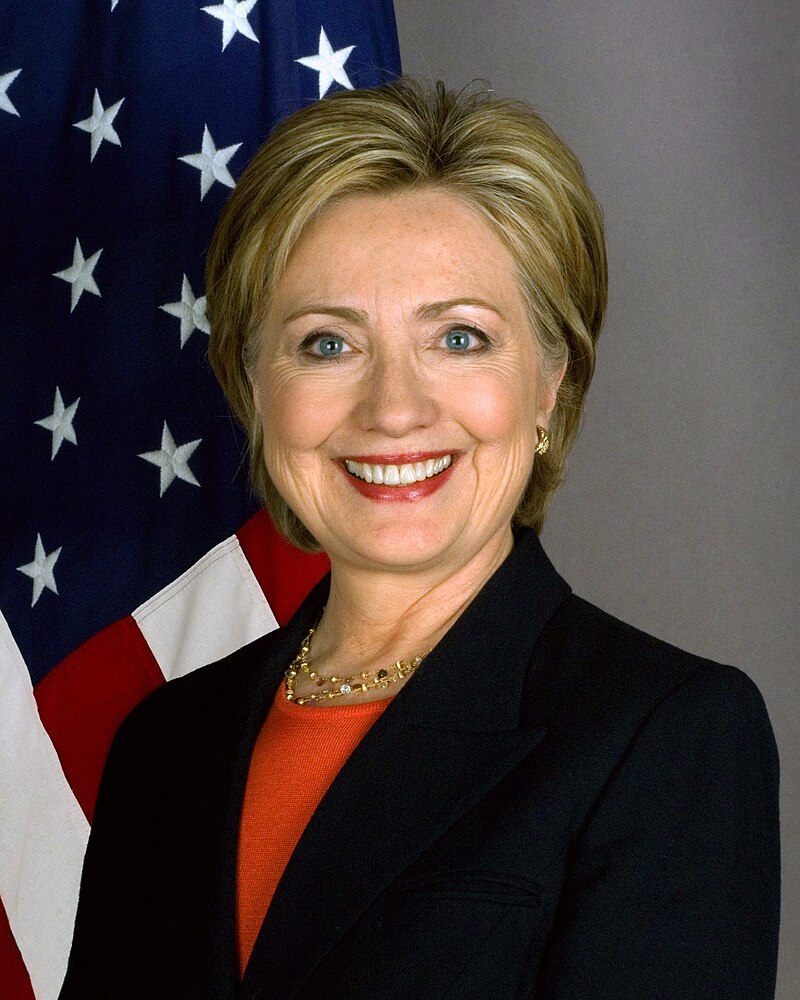
Hillary Clinton’s comments about Benjamin Netanyahu and Iran have landed like a political grenade because they confirm what many diplomats have long suspected: Israeli pressure on Washington over Iran was not occasional. It was constant.
Speaking about her time as Secretary of State, Clinton described Netanyahu’s government as relentlessly pushing the United States toward military action against Iran. According to accounts of the interview, Israeli officials tried to convey urgency with lines like “our planes are on the tarmac.” Clinton’s response was reportedly dry: “Well, good luck.” When asked whether she felt the United States was being played by an ally receiving enormous U.S. support, she replied that this happened “all the time.”
The comments matter because they puncture the polite language of alliance politics. Publicly, U.S. and Israeli officials speak of shared values, unbreakable bonds and strategic coordination. Privately, allies pressure, manipulate, leak, threaten, exaggerate and bargain. Clinton is not saying something exotic. She is describing how power works.
Netanyahu’s obsession with Iran is not new. For decades, he has framed Tehran as the central existential threat to Israel. He warned about Iran at the United Nations, fought the Obama-era nuclear deal, lobbied Congress, pressured European governments and built much of his security identity around stopping the Islamic Republic. His supporters argue that he was right: Iran funded armed groups, expanded missile capabilities, enriched uranium and threatened Israel openly.
Critics argue that Netanyahu repeatedly used Iran to shape U.S. politics, distract from Palestinian issues, consolidate right-wing coalitions and push Washington toward wars that served Israeli priorities more than American ones. Clinton’s remarks give that critique new weight because they come from inside the American foreign-policy establishment, not from an antiwar fringe.
But the story should not be flattened. Israel did not hypnotize Washington. The United States has its own hawks, defense contractors, Gulf alliances, evangelical politics, oil interests, intelligence assumptions and imperial habits. American leaders chose their policies. Congress funded them. Presidents signed them. Media institutions normalized them. Blaming Netanyahu alone lets Washington escape responsibility.
The deeper issue is asymmetry. Israel is a smaller state with an urgent security doctrine. The United States is a superpower with global interests. When Israel says Iran is an immediate existential threat, Washington must decide whether that threat is also an immediate American war interest. The failure of U.S. policy often comes from confusing those two categories.
Clinton’s “all the time” line is especially revealing. It suggests that even close allies test boundaries constantly. They present worst-case scenarios. They create deadlines. They imply unilateral action. They use domestic political networks. They pressure officials through Congress and media. The goal is not friendship. The goal is leverage.
That is not unique to Israel. Saudi Arabia, the UAE, Ukraine, Taiwan, Turkey and others all try to shape U.S. policy. But Israel’s influence is unusually intense because of military aid, political lobbying, intelligence ties, religious politics and the emotional history of U.S.-Israel relations.
Trump’s current Iran deal makes Clinton’s comments more relevant. If Netanyahu once begged Obama not to make a deal, and later pressured Washington over Iran again, then the question becomes whether Trump is now doing what Obama did: deciding that American economic and strategic interests require diplomacy even if Netanyahu hates the terms.
Supporters of Israel will say Clinton’s remarks prove only that Israel took a real threat seriously. Critics will say they expose an ally trying to drag America into another Middle East war. The truth may be more uncomfortable: both can be true. Iran may be a real threat to Israel, and Netanyahu may still push the U.S. toward choices that are not in America’s interest.
The open question is what an alliance should mean. Does support require obedience? Does aid require automatic war alignment? Can Washington say no to Israel and still remain an ally? Clinton’s answer, hidden inside the sarcasm of “well, good luck,” seems to be yes.
That may be the real scandal. Not that Netanyahu pushed. Allies always push. The scandal is how often Washington acts surprised that they do.