Iran Releases Detained American: Goodwill Gesture or Strategic Signal During War?
Trump says Iran allowed a U.S. citizen detained since 2024 to leave the country. The timing is impossible to separate from strikes, negotiations and Hormuz.
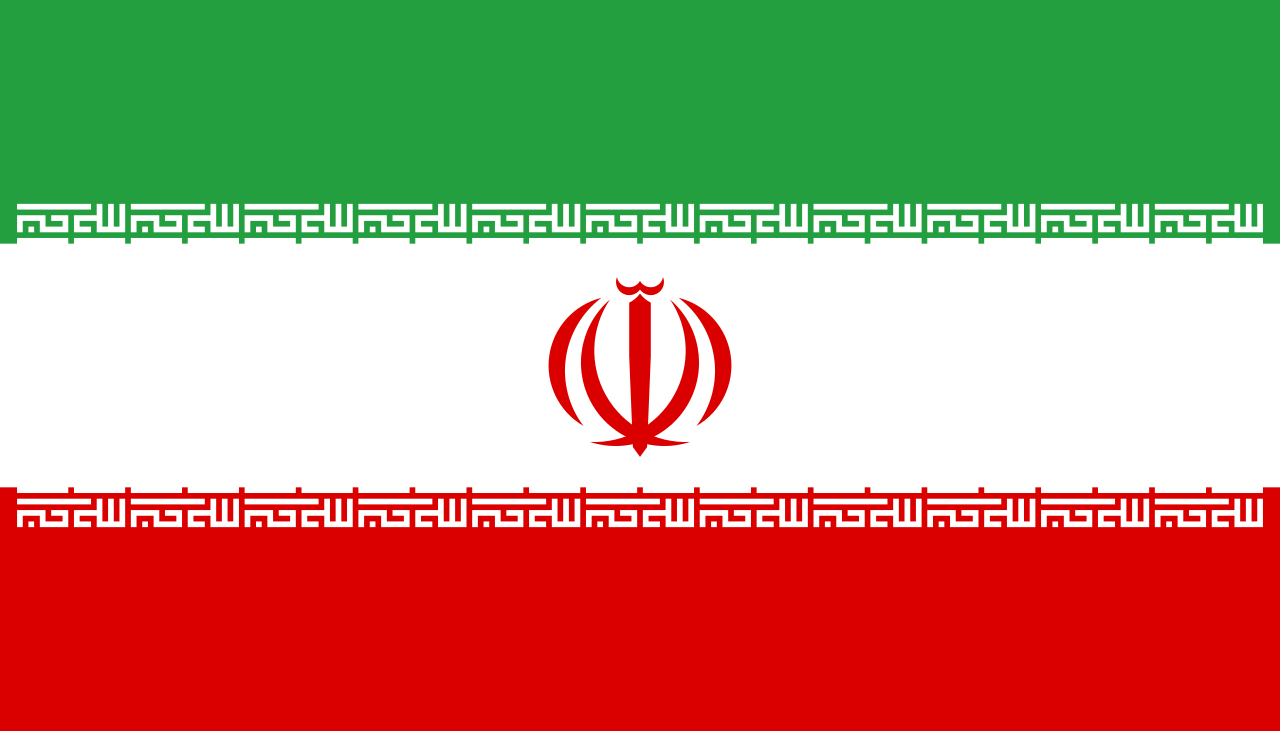
Iran has allowed an American citizen detained since December 2024 to leave the country, according to President Trump, who described the move as a goodwill gesture. In a normal diplomatic environment, the release of a detained citizen would be a humanitarian story. In the middle of renewed U.S.-Iran strikes, it becomes something more complicated: a message.
Prisoner releases are never random in U.S.-Iran relations. They often arrive when official talks are stalled, indirect channels are active, or both sides need a small proof that communication still exists. The fact that Iran released a U.S. citizen while missiles, airstrikes and naval threats continue suggests that the door to de-escalation is not fully closed.
That does not mean Tehran is softening. It may mean Tehran is signaling that it can separate humanitarian gestures from military retaliation. Iran can strike U.S. bases, claim control over Hormuz, reject pressure and still release a detainee. That combination is meant to show confidence, not surrender.
For Trump, the release is politically useful. He can present it as evidence that pressure works and that Iran responds to strength. He can also use it to justify continued negotiations despite hawkish demands for wider war. If an American comes home, diplomacy becomes easier to defend.
But the timing creates tension. If Washington celebrates the release while expanding strikes, Iran may accuse the U.S. of taking goodwill without reciprocating. If Tehran releases one American while holding others or limiting inspectors, critics will call it hostage diplomacy. Both interpretations are possible.
The public should also ask what “wrongfully detained” means in practical terms. U.S. officials often use that term when they believe a citizen is held for political leverage rather than legitimate legal reasons. Iran usually rejects that framing and claims domestic law. Without full details, the legal case remains difficult to judge from outside.
What matters strategically is the channel behind the release. Was it negotiated through Qatar, Oman, Switzerland or another mediator? Was it linked to frozen assets, humanitarian purchases, inspections, or the broader MoU? Was it a standalone gesture or part of a package? The answers will tell us more than the announcement.
History shows that detainee releases can precede deals, but they can also precede escalations. They are confidence-building measures only if both sides treat them that way. Otherwise, they become isolated humanitarian flashes in a darkening conflict.
The headline says Iran released an American citizen. The deeper question is whether this is a crack in the wall or merely a message written on it.
In diplomacy, small gestures matter most when the big picture looks impossible. This one matters because it happened while everything else was burning.