Iran’s World Cup Dream Hit by VAR Again: Was the Disallowed Winner a Fair Call or Football Politics?
Iran thought it had scored a historic late winner against Egypt. VAR took it away. Now fans are asking whether bad luck, football law or politics crushed the moment.
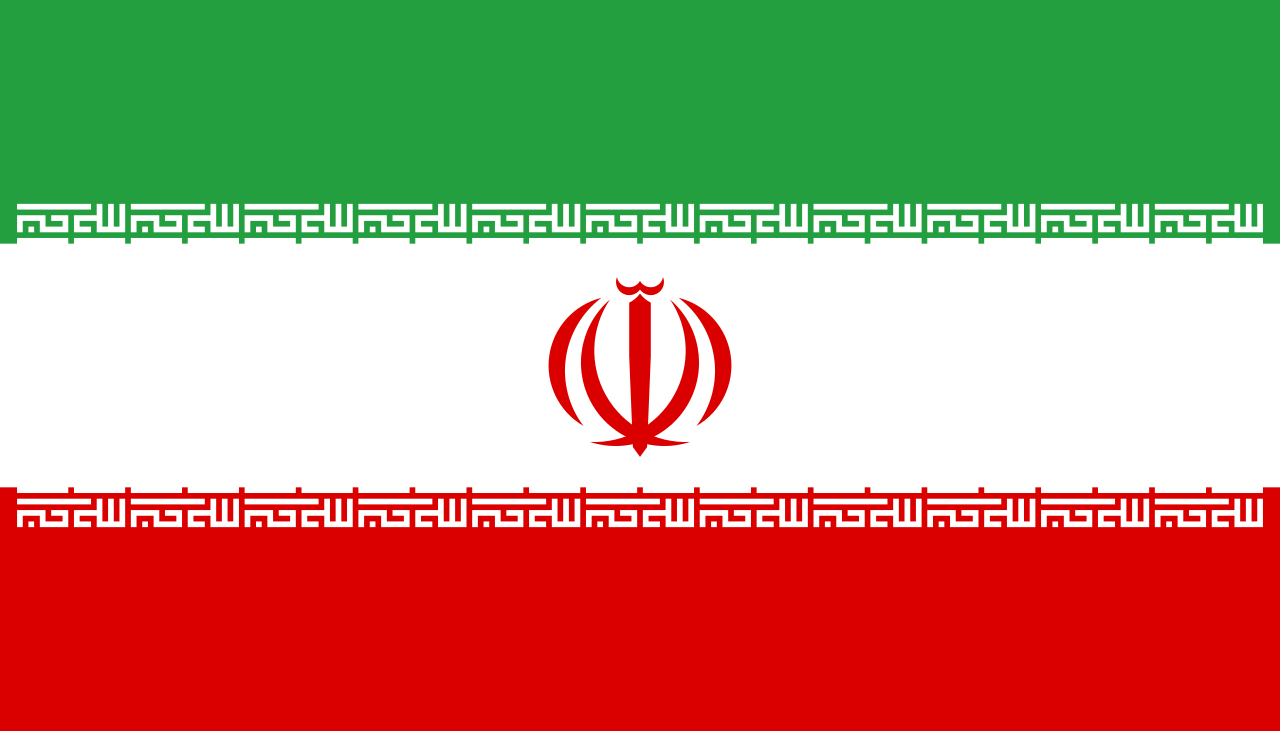
Iran’s World Cup campaign has become a story of goals that almost counted. Against Egypt, with the match tied and the stakes enormous, Iran appeared to score a dramatic late winner that could have sent the country into the knockout stage for the first time in its history. Then came the review. Then came the offside call. Then came the familiar Iranian feeling: celebration interrupted by technology, law and suspicion.
The official explanation is straightforward. Iran’s stoppage-time goal was reviewed and ruled offside. Because the Egyptian goalkeeper had moved out during the scramble, the offside line was judged not against the keeper but against the second-last defender. Under the rules, that matters. A player can be ahead of the goalkeeper and still be offside if there are not two opponents between him and the goal line. In purely technical terms, the decision may be defensible.
But football is not lived in technical terms. It is lived in the body. For Iranian fans, the moment felt cruel because it was not isolated. This was reportedly the third straight match in which Iran saw a goal disallowed after review in a draw. That repetition transforms a single VAR decision into a psychological narrative. Was Iran unlucky? Was it careless? Or is the tournament environment, with all its politics, flags, restrictions and pressure, becoming too heavy for the team to escape?
Iran’s captain and staff have already criticized the World Cup experience, pointing to logistical pressures, travel difficulties and a sense that the team has been forced to play through unusual political noise. The Iran-Egypt match carried symbolism beyond the field. It involved national identity, visibility, restrictions on symbols, and a global audience watching Iranian fans as much as Iranian players.
Supporters of VAR will say this is exactly why the system exists. The purpose is not to protect romance. It is to correct mistakes. If the goal was offside by the law, then disallowing it was not anti-Iran; it was football justice. The same law applies whether the team is Iran, Brazil, France or Egypt.
But VAR has never solved the biggest problem in football: trust. Fans accept technology when they believe the people operating it are neutral and transparent. When a team already feels politically targeted, every marginal line becomes evidence for a larger suspicion. Even a correct decision can be received as unfair if the wider environment feels unequal.
Egypt, meanwhile, deserves credit. They got the result they needed and advanced. Their goalkeeper was decisive, their defensive discipline held under pressure, and the team managed the chaos better than Iran. There is a danger in turning every Iranian setback into a conspiracy and erasing the opponent’s effort. Egypt did not steal the match. They survived it.
Still, Iran’s frustration is understandable. A World Cup first was seconds away. A nation thought it had crossed a historic threshold. Instead, its fate was thrown back into calculations about third-place rankings, other group results and the cold arithmetic of modern tournament football.
The headline says Iran was robbed. The law may say Iran was offside. The deeper truth sits somewhere between: football can be technically correct and emotionally brutal at the same time.
For Iran, the question now is whether this becomes another grievance or another chapter in a longer rise. If the team qualifies despite the draw, the disallowed goal becomes a scare. If it goes out, the clip will live for years as one of the most painful almost-moments in Iranian football history.