Iran Says It Alone Controls Hormuz for 30 Days: Temporary Shipping Management or Strategic Power Grab?
Tehran says it will manage the Strait of Hormuz under the interim deal. Washington says navigation must remain open. The next 30 days may decide whether the MoU survives.
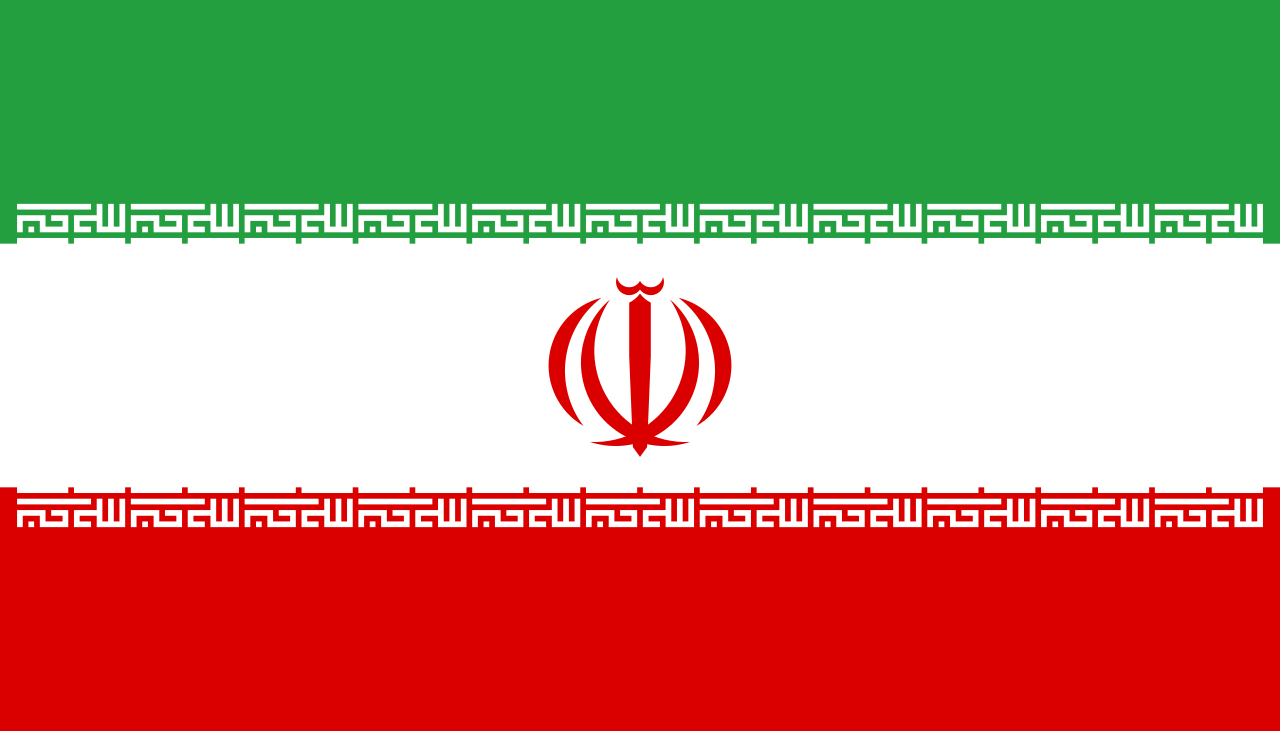
Iran’s claim that it alone controls the Strait of Hormuz for the next 30 days may be the most important sentence in the entire U.S.-Iran memorandum.
Tehran argues that the interim deal gives it responsibility to manage traffic through the strait, remove obstacles, de-mine areas where necessary, and coordinate safe passage. Washington says the same deal requires commercial shipping to resume without coercion, tolls or unilateral Iranian restrictions. Both sides point to the agreement. Both say the other is violating it. That is how wars restart.
The legal and strategic issue is Article 5, the clause dealing with commercial vessel movement through Hormuz. Reports describe language requiring Iran to use its best efforts to allow safe passage without charge for a temporary period, while also creating space for discussions with Oman and other littoral states about future administration. That sounds practical on paper. In reality, it creates a dangerous question: does safe passage mean Iranian management, or international freedom of navigation?
Iran’s answer is clear. It sits on the northern side of the strait, has military capacity to disrupt traffic, and paid a heavy price during the war. From Tehran’s perspective, it would be absurd to reopen the strait while surrendering its main strategic leverage. Iranian officials can tell their domestic audience they did not capitulate; they forced the U.S. to recognize Iran as the indispensable gatekeeper of Gulf energy.
The American answer is equally clear. If Iran can decide which ships pass, where they pass, and under what conditions, the U.S. loses its long-standing role as guarantor of maritime order. Gulf allies would question American protection. Asian importers would question energy security. Insurance markets would price in Iranian political risk. Washington therefore cannot publicly accept an Iranian veto over Hormuz.
Shipping companies are caught between the two. They do not care about diplomatic language as much as risk. If Iranian forces warn ships to follow a certain route, operators will likely obey, even if Washington says they have the legal right not to. If U.S. forces encourage alternative routes through Omani waters, operators must ask whether Iran will view that as a challenge. Every captain becomes a geopolitical actor.
This is why the next 30 days matter. A temporary arrangement can become a bridge to stability or a rehearsal for coercion. If Iran manages traffic predictably, avoids charges, coordinates with Oman and reduces military friction, the deal may survive. If Tehran uses the period to normalize control, demand permissions, threaten vessels or punish ships seen as “violators,” the U.S. will likely respond militarily again.
For oil markets, the question is not whether Hormuz is technically open. It is whether it is reliably open. A few dozen ships passing through does not restore confidence if one drone strike can halt traffic again. Mines, insurance costs, war-risk premiums and unclear rules can keep flows suppressed even after politicians declare victory.
The headline says Iran controls Hormuz. The more precise version is that Iran is trying to convert battlefield leverage into temporary maritime authority, while the U.S. is trying to prevent that authority from becoming permanent. The world should watch not the speeches, but the ships. Which routes do they take? Who escorts them? Do they ask permission? Are they delayed? Are insurers satisfied? If Iran can shape the rules for 30 days, the next question is obvious: why would it stop on day 31?