Iranian Flags, FIFA Rules and Tears in the Stadium: Football Meets Regime Politics
Iran’s World Cup opener against New Zealand became a political stage, with flag disputes, booed anthems and emotional fans exposing deep fractures in the diaspora.
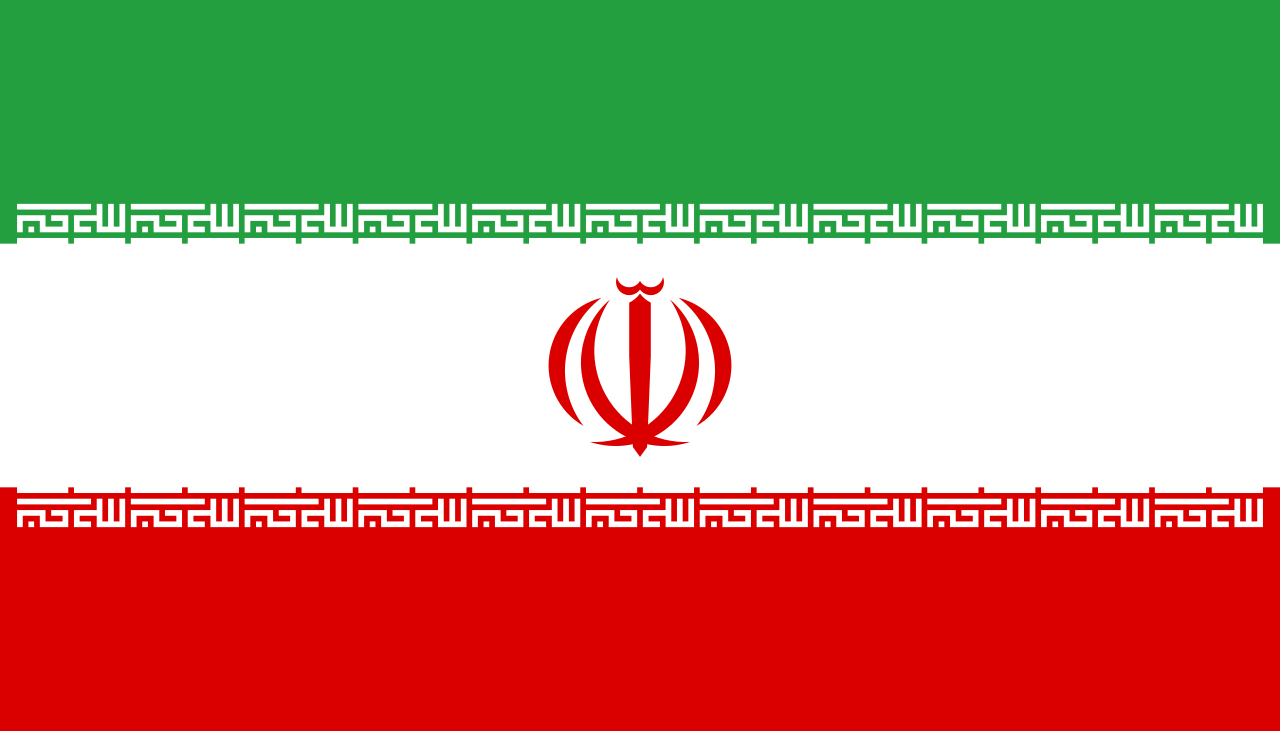
Iran’s World Cup opener against New Zealand was never going to be only a football match. Played in Los Angeles, home to one of the world’s largest Iranian diaspora communities, the game became a stage for grief, nationalism, protest, exile politics and FIFA’s uneasy attempt to keep politics out of a tournament built on national identity.
Reports and viral videos showed Iranian fans emotional inside the stadium after flags were allegedly taken or challenged by officials. Other footage showed pre-revolutionary Iranian flags, boos during the Islamic Republic’s anthem and visible tension over what symbols should be allowed in the stands. The match itself ended 2-2, but the political atmosphere may be remembered longer than the score.
The flag dispute is not a small matter. The official flag of the Islamic Republic represents the state that currently governs Iran. The pre-1979 Lion and Sun flag represents, for many Iranians abroad, a pre-revolutionary national identity or opposition to the current regime. For the Iranian government, that symbol is political provocation. For many exiles, it is the opposite: a way to show love for Iran without endorsing the Islamic Republic.
FIFA’s usual position is that political flags, slogans and banners can be restricted to preserve neutrality and security. In theory, that sounds reasonable. In practice, it becomes almost impossible with Iran. What is “political” when the national team itself is treated by many fans as a symbol of the state? What is “neutral” when one flag is recognized by FIFA and another is recognized by many citizens as their emotional homeland?
Iran had already threatened to stop World Cup games if unauthorized flags or slogans appeared, according to earlier reporting. That put FIFA in a difficult position before the match began. If it allowed opposition symbols freely, Tehran could accuse the tournament of hosting anti-regime agitation. If it cracked down, diaspora fans could accuse FIFA of protecting the Islamic Republic from its own people.
The result was predictable: anger from all sides. Some fans saw confiscation or warnings as censorship. Others believed security staff were simply enforcing tournament rules. Some supporters wanted to cheer Team Melli without being dragged into politics. Others could not separate football from the pain of repression, exile or war.
The context makes everything sharper. Iran’s participation in the 2026 World Cup has unfolded amid conflict, diplomatic tension with the United States, visa complications and a new U.S.-Iran framework agreement. The team reportedly faced unusual logistical constraints, including basing itself outside the U.S. and moving across borders for matches. Players and officials have complained about treatment. Opponents of the regime have protested the team’s presence.
For the players, this is nearly impossible. They are expected to perform as athletes while carrying the weight of a state, a diaspora and a political crisis. If they sing the anthem, some call them regime tools. If they do not, they may face consequences at home. If they win, the government may claim them. If they lose, critics may celebrate. Few national teams face such a brutal symbolic trap.
FIFA’s dream is that football rises above politics. But the World Cup is political by design. Flags, anthems, borders, visas, security protocols and national delegations are all political. The organization can ban slogans, but it cannot ban memory. It can remove a flag, but it cannot remove why someone brought it.
The emotional scenes in the stadium should therefore be read carefully. A crying fan is not only upset about fabric. The flag represents belonging, loss, anger, nostalgia and the unresolved question of who gets to speak for Iran.
The headline says Iranian fans cried after flags were taken by FIFA officials. The verified version is more cautious: fans clashed emotionally with World Cup flag rules during a politically charged Iran match. But the human meaning is real either way.
A football stadium became a courtroom of identity. FIFA wanted order. Iran wanted control. Exiles wanted recognition. Players wanted to play. Fans wanted to be seen.
The question left hanging over the tournament is bigger than one match: when a nation is divided between state and people, which flag is football supposed to recognize?