Iran’s World Cup Team Gets 48 Hours: Football, Security and the Politics of Travel Restrictions
The U.S. eased restrictions on Iran’s World Cup squad, allowing arrival two days before its next match. But the team must still leave immediately after, showing how politics is shaping the tournament.
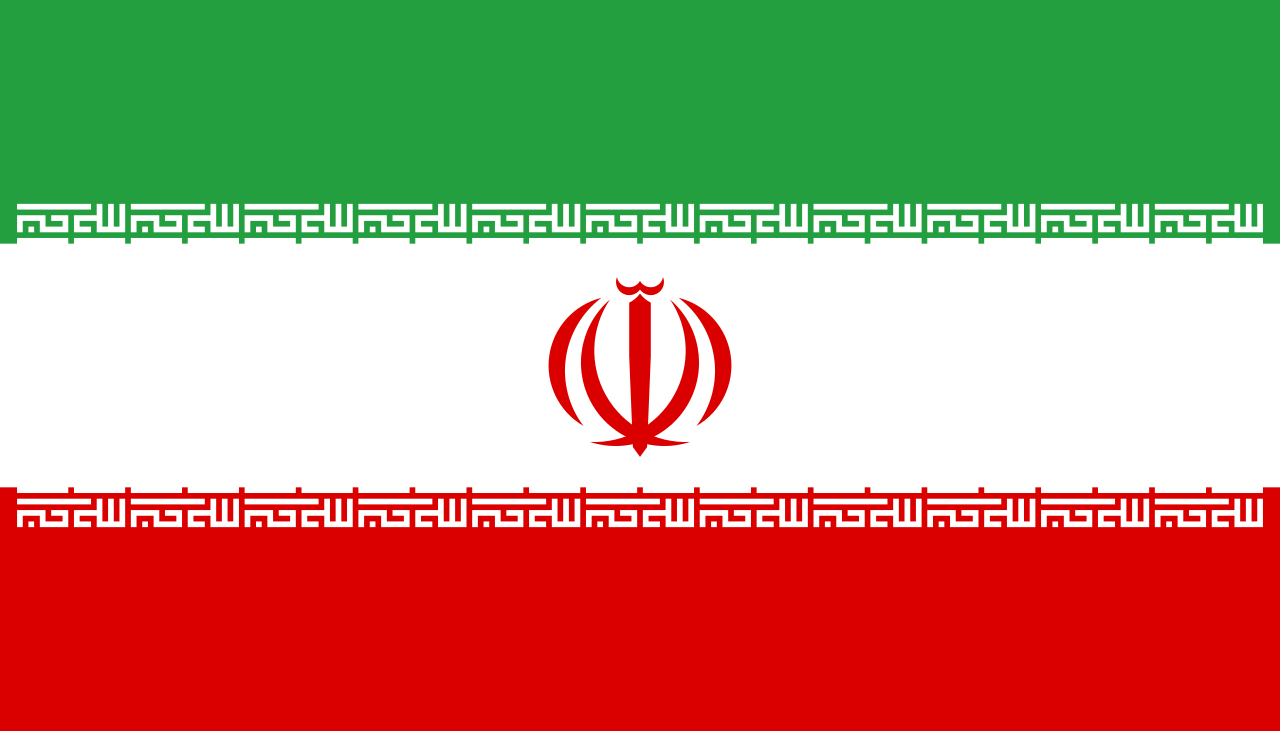
The United States has eased travel restrictions on Iran’s World Cup team, but the decision does not end the controversy. It proves the controversy was real.
Iran’s squad will now be allowed to enter the U.S. two days before its next match in Seattle, rather than only one day before. The team still must leave immediately after the match, and broader security restrictions remain in place. U.S. officials frame the change as a logistical adjustment, not a political concession. Iran sees it as partial recognition that the previous rules were unfair and damaging.
This is what happens when football enters a war-shaped tournament.
The 2026 World Cup was always going to be political. It is being hosted across the U.S., Canada and Mexico during a period of intense geopolitical tension. Iran’s team is competing after months of war, sanctions, travel restrictions and diplomatic hostility. Players are athletes, but their movement is now treated as a security issue.
Iran had complained about the burden of moving between Mexico and the United States under tight timelines. The team reportedly based itself in Tijuana because remaining in the U.S. was difficult under existing restrictions. Coaches and officials argued that late arrival creates fatigue, disrupts preparation and places Iran at a competitive disadvantage.
The U.S. government’s position is that national security remains non-negotiable. Officials say restrictions were designed to control risk, not punish players. That may be true from a security perspective, but in international sport, perception matters. If one team is treated like a visiting national-security threat while others enjoy normal tournament logistics, fans will see politics on the pitch.
FIFA’s role is also uncomfortable. The organization claims to keep politics out of football, yet it awarded a tournament to countries where immigration, security and foreign policy can shape team movement. If FIFA wants neutral competition, it must ensure teams can prepare under fair conditions. If host governments override that, FIFA’s neutrality looks weak.
The Iranian case also raises a broader question: what does it mean to host a global event during active diplomatic conflict? Should countries at war or near-war be treated as ordinary sporting delegations? Should players be separated from governments? Should security agencies have final authority even when competitive fairness is affected?
The clickbait version is that America backed down. The more accurate version is that Washington adjusted one restriction while keeping the core security regime intact.