Will the U.S. Make Peace With Iran — or Use the Ceasefire to Prepare the Next War?
The U.S.-Iran MOU has created a 60-day pause, not a final peace. Supporters call it diplomacy. Critics fear it is another Minsk-style intermission before a harder round.
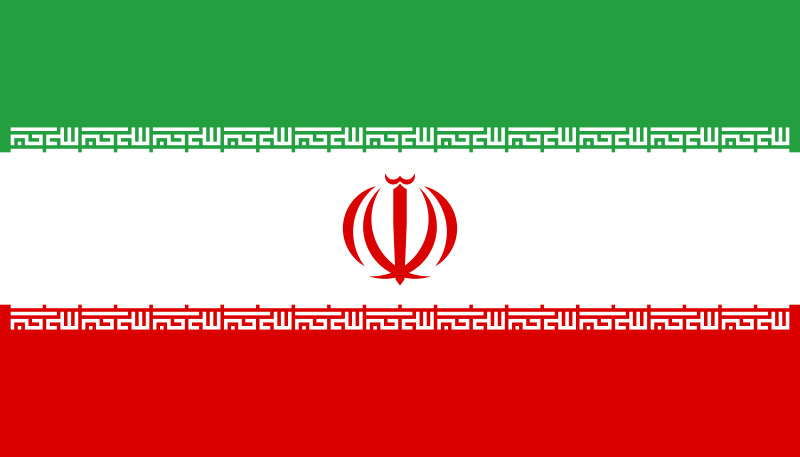
The U.S.-Iran memorandum of understanding has produced a strange mood: celebration from some, fury from others and suspicion from almost everyone paying close attention. The key point is simple but often ignored. The war is not fully over. The MOU creates a ceasefire and a negotiation window. It is not a final peace treaty.
That difference matters enormously.
Supporters of the deal argue that Trump prevented a wider disaster. The Strait of Hormuz is reopening. Oil markets are calming. U.S. troops are less exposed. Iran is back at the negotiating table. The region has a chance to step back from a war that could have spiraled into global economic shock.
Critics see something else. They argue the United States spent enormous military and political capital only to accept a temporary arrangement that leaves Iran’s missile program, regional networks and enrichment infrastructure partly intact. From this perspective, the MOU is not victory. It is a pause that allows Iran to recover and Washington to claim success.
The most skeptical voices go further. They ask whether the ceasefire will become another Minsk: a document celebrated as diplomacy while both sides use the interval to rearm, reorganize and prepare for the next phase. The comparison is imperfect, but the warning is valid. A ceasefire can be a bridge to peace. It can also be a loading dock for the next war.
The U.S. domestic battle is just beginning. Restraint-minded conservatives and anti-war voices will argue that Trump should lock in the deal and avoid another Middle East trap. Neoconservative and hawkish pro-Israel voices will argue that the deal rewards Tehran and abandons the original military objectives. Democrats may divide between criticizing Trump’s process and supporting de-escalation. Congress will demand briefings. Lobby groups will pressure. Markets will watch Hormuz.
Iran faces its own pressures. Leaders in Tehran must show that the deal preserved sovereignty, protected enrichment rights and defended allies in the “Axis of Resistance.” If the public sees the MOU as capitulation, hardliners will attack it. If Israel continues strikes in Lebanon, negotiators may find it politically impossible to proceed. If sanctions relief is delayed, Iran may accuse Washington of bad faith.
Israel is the spoiler everyone knows about but no one can fully control. Israeli leaders argue they cannot accept a deal that allows Iran to retain long-term strategic capabilities. If Israel escalates in Lebanon, Syria or Iran, the MOU may collapse without Washington or Tehran formally breaking it. That is the danger of agreements built around conflicts involving more actors than signatures.
The United States also has a credibility problem. Iran remembers previous broken agreements. Washington remembers Iranian delay tactics. Each side enters the negotiation assuming the other may cheat. That is why verification, sequencing and enforcement matter more than speeches.
The immediate question is not whether the MOU is good or bad. The immediate question is whether it contains enough concrete steps to survive its first 60 days. Will shipping normalize? Will Iran allow nuclear inspections? Will sanctions relief be staged or symbolic? Will Israel reduce operations in Lebanon? Will the U.S. restrain allies? Will Iran restrain Hezbollah?
The headline says America must choose between peace and renewed war. The reality is messier. A ceasefire can drift, harden, collapse or evolve into a real agreement.
For now, the MOU is a door, not a destination. Whether Washington walks through it or uses the room to reload will define the next phase of the Middle East crisis.