AfD Hits 30% as Merz Crashes
A new INSA poll puts the AfD at a record 30 percent and Chancellor Friedrich Merz’s CDU/CSU at 18 percent, but one survey is a warning—not an election result.
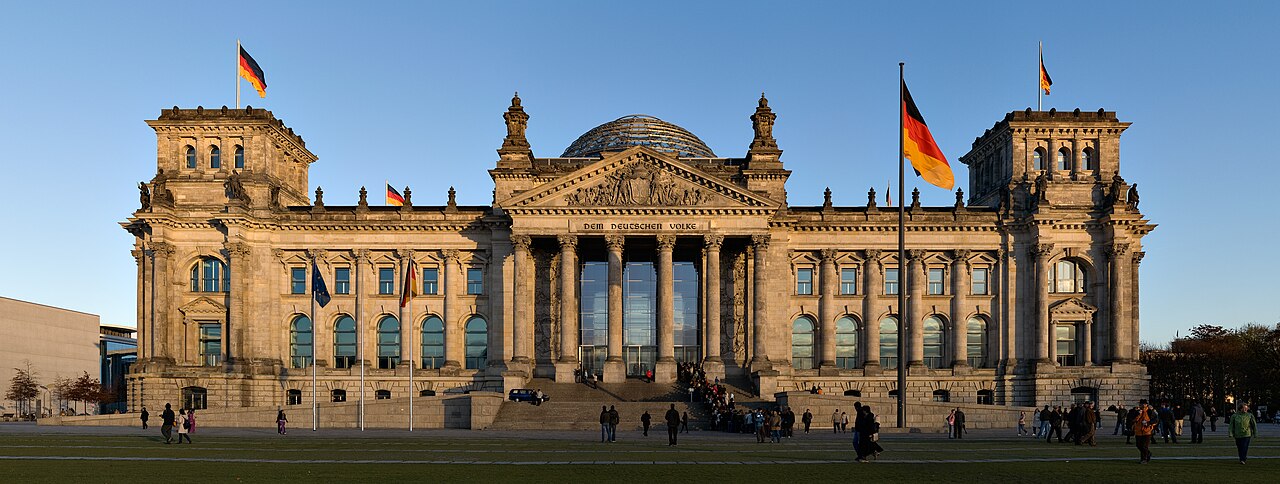
Germany’s Alternative für Deutschland has reached 30 percent in a new national poll, while Chancellor Friedrich Merz’s CDU/CSU union has fallen to 18 percent. If repeated in an election, the result would represent a historic reversal in postwar German politics. It is also one poll, not a national verdict.
The survey was conducted by INSA and published in early October. The Social Democrats and Greens were each reported at 14 percent, the Left at 10 percent, and both the Free Democrats and Sahra Wagenknecht Alliance at 4 percent. Those smaller-party numbers matter because Germany’s 5 percent threshold can dramatically change how seats are distributed.
The headline gap reflects more than a sudden ideological conversion. High energy costs, migration, weak industrial growth, war anxiety and dissatisfaction with the governing coalition have created a broad protest market. The AfD has been especially effective at turning frustration with mainstream parties into a simple argument that the entire governing model has failed.
Merz faces a different problem. His conservative union is squeezed between voters who think he has moved too close to centrist coalition partners and voters who consider the AfD too radical. Attempts to borrow AfD themes can legitimize its agenda without persuading its supporters to return. Moving toward the center can alienate the CDU’s own base.
Polling at 30 percent would make the AfD the largest party, but not necessarily the government. Germany’s other major parties maintain a political “firewall” against formal cooperation with it. Unless that changes, a broad multi-party coalition could still exclude the first-place finisher. That outcome would be legal, though it could deepen arguments about democratic legitimacy.
The AfD’s opponents point to extremist statements, intelligence scrutiny and positions they say threaten minorities, European cooperation and Germany’s historical responsibilities. Supporters say the scrutiny is politicized and that excluding a party with millions of votes is itself anti-democratic. Those competing claims will define the campaign.
One survey can also exaggerate movement. Polls are samples with uncertainty; turnout, late decisions and regional variation change results. Germany’s mixed electoral system converts votes into seats through rules that a simple percentage chart cannot capture. Comparing several pollsters over time is more useful than treating a single record as destiny.
Still, the trend is politically consequential before any election. Coalition partners will resist unpopular compromises, CDU lawmakers will question Merz’s strategy, and the AfD will use the number to present itself as the country’s natural governing party.
East-west differences remain critical. The AfD can dominate some eastern states while remaining much weaker in major western cities, so a national average hides distinct political systems. An early federal election would also introduce candidate effects and tactical voting. The responsible conclusion is not that Germany has already chosen a new government, but that the old party hierarchy is under its strongest pressure in decades.
Economic policy will be central to whether the polling lead holds. Germany’s industrial model faces expensive energy, weak external demand and competition from China and the United States. The AfD offers cheaper energy, tighter borders and less support for Ukraine as connected answers. Opponents argue that leaving European frameworks or disrupting trade would worsen the industrial problem it promises to solve.
The firewall faces a democratic dilemma. Parties are not required to coalition with the largest bloc, and parliamentary government has always depended on majorities. Yet repeated grand coalitions formed primarily to exclude the AfD can blur policy differences and reinforce its outsider appeal. Local votes and committee appointments may erode the barrier before a national coalition does.
Leadership effects matter as well. Voters may use polls to punish Merz between elections and return when the alternative becomes concrete. The AfD will face greater scrutiny of candidates, finances and governing competence as it approaches power. Record support gives it momentum, but it also removes the protection of being judged only as a protest party.
The next election remains open; today’s poll measures anger more clearly than governing consent.
What to watch next
Watch the next three or four national surveys, state-election results, Merz’s approval rating and any sign that the BSW or regional conservatives will cooperate with the AfD. Thirty percent is a warning shot. Whether it becomes power depends on durability, turnout and coalition arithmetic.