Albania’s Student Revolt Is Now a Fight for the Government
A movement that began with education grievances now demands Edi Rama’s resignation as Molotov attacks and police force push Albania toward a deeper crisis.
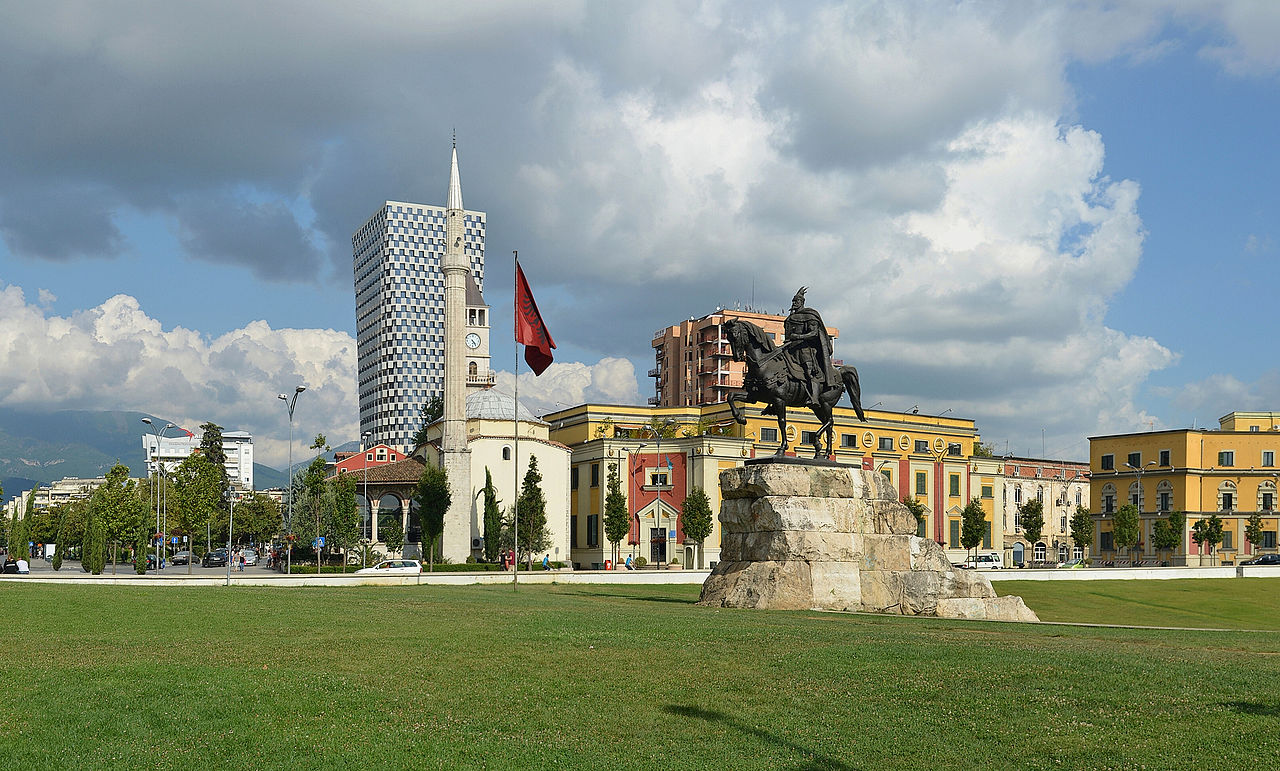
Albania’s education protest has become a direct challenge to the government. Demonstrators now chant “Rama, resign,” citing corruption, unemployment, inequality and controversial development deals. A Molotov cocktail set a police officer’s clothing or protective equipment alight in viral footage, marking how far a movement built on peaceful frustration has escalated.
What happened
Protests continued for nearly a week in Tirana and spread to other cities. Students originally focused on university costs, school conditions and limited opportunity. The agenda broadened to systemic corruption, coastal development, protected land, election rules and Prime Minister Edi Rama’s resignation.
Some protesters threw stones and firebombs, burned or damaged government buildings and confronted police. Officers used tear gas, water cannon and rubber bullets. Rama refused to resign, warned that violence endangered Albania’s European path and offered dialogue.
Why it matters
Young Albanians face low wages, emigration pressure and distrust that political connections determine jobs and investment. Development projects framed as strategic growth have triggered land, environment and transparency disputes.
The movement is not ideologically uniform. Students, anti-corruption activists, opposition supporters and citizens with local grievances may share a street without agreeing on who should govern next.
Violence can expand attention while shrinking legitimacy. Molotov attacks put officers and bystanders at risk and allow the government to recast political demands as a security problem. Excessive police force can produce the opposite effect by turning injured protesters into symbols.
Rama’s resignation is now the central demand, but a cleaner government requires more than changing one leader: independent prosecutors, transparent procurement, fair election rules and enforceable land rights.
Verification and competing accounts
Sustained protests, firebombs, injured officers, property attacks and resignation demands are well documented. The precise viral clip of an officer catching fire should be described as footage from clashes unless authorities verify identity and injuries. Sources consulted include Reuters, Associated Press, AFP, Al Jazeera, Albanian government and protester statements. Official, military, partisan and anonymous-source claims remain attributed unless independently established.
Responsibility must remain individual. A violent participant does not define every protester, and one police response does not establish the conduct of every officer. Claims of foreign orchestration require evidence beyond political accusation.
Reading the signal
Confirmation normally improves through records, imagery, technical data, named witnesses and reporting from sources with different incentives. Until those checks converge, terms such as “reported,” “claimed,” “preliminary” and “unverified” are not evasions. They identify the actual strength of the evidence and protect readers from treating the first narrative as the final one.
Scale matters as much as authenticity. A dramatic threat, viral video, missile claim or diplomatic announcement may be real without transforming the wider balance. Strategic change requires persistence: repeated operational success, measurable disruption, implemented policy, durable financing or behavior altered by the development.
Every actor has a communications objective. Governments seek confidence and deterrence, armed groups seek momentum, opposition movements seek legitimacy and political leaders seek electoral advantage. Motive does not make a claim false, but it explains why independent corroboration and precise attribution matter.
The assessment may change quickly. Responsible coverage preserves the verified core, labels the contested perimeter and explains what evidence would alter the conclusion. That approach is less theatrical than a viral post, but more useful when readers are judging war, public safety, diplomacy or markets.
Breaking-news language often makes a genuine development sound more conclusive than the available evidence permits. The disciplined method is to separate the observable event, the account offered by an interested government or armed group and the strategic interpretation placed on top. A verified statement proves that words were spoken; it does not automatically prove every operational detail inside them.
Confirmation normally improves through records, imagery, technical data, named witnesses and reporting from sources with different incentives. Until those checks converge, terms such as “reported,” “claimed,” “preliminary” and “unverified” are not evasions. They identify the actual strength of the evidence and protect readers from treating the first narrative as the final one.
Scale matters as much as authenticity. A dramatic threat, viral video, missile claim or diplomatic announcement may be real without transforming the wider balance. Strategic change requires persistence: repeated operational success, measurable disruption, implemented policy, durable financing or behavior altered by the development.
What to watch next
Watch verified injury reports, negotiations with student representatives, arrests and judicial review, new election-law proposals and whether peaceful organizers isolate firebomb throwers. The movement’s durability will depend on discipline and concrete institutional demands.