Aramco’s Dhahran Headquarters Was Reported Hit in October—The Video Is Not a New Strike
A ballistic missile was reported to have hit the Aramco headquarters complex in Dhahran on October 13. The footage circulating now appears to relate to that earlier incident, not a fresh attack today.
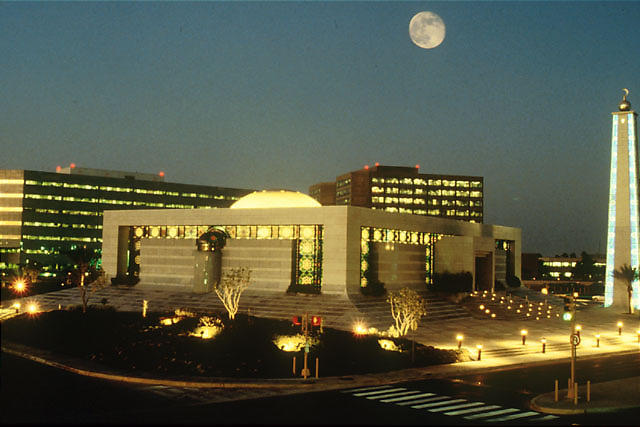
A claim that an Ansar Allah ballistic missile struck Saudi Aramco’s headquarters in Dhahran is circulating with video, but the strike described in the reporting occurred on October 13. It should not be presented as a new attack on November 15 unless fresh, independently verified evidence emerges.
Reuters reported that the Aramco headquarters complex in the Eastern Province was attacked on Tuesday night, causing what Saudi Arabia’s Energy Ministry described as a limited fire. A company source told Reuters that a ballistic missile had hit the complex. The next day, the Houthi movement said it had launched missiles and drones at Aramco facilities in Dhahran, King Khalid International Airport in Riyadh and a refinery in Riyadh. Saudi forces separately reported intercepting missiles and drones during the broader period of attacks.
The terms “headquarters struck” and “facility hit” can obscure uncertainty over the precise impact point. A missile may hit the compound, debris may fall after an interception, or damage may occur nearby. Reuters’ source said the complex was hit, while the Saudi statement described a limited fire; the Houthi claim provided its own account of the targeting. These details should be kept distinct.
Aramco’s Dhahran complex is a symbolically and economically important target because the company is central to Saudi energy production. Even limited damage can carry a message about the vulnerability of infrastructure. But the degree of operational disruption, if any, should not be inferred from a video without confirmation of location, date and damage.
The footage’s provenance is critical. Is it from October 13, and does it show the impact itself or only aftermath? Who recorded it, and has it been geolocated? An authentic video can still be misleading when detached from time and context. The verified story is a reported October strike followed by Houthi claims and Saudi statements—not a confirmed fresh attack today. The question is whether the current repost reflects a new development or simply recycles an older, consequential event.
Separating impact from attribution
The economic significance of an attack on an oil company can be amplified by the symbolism of the target, even if operational damage is limited. Aramco’s facilities are closely tied to Saudi revenue and energy exports, so threats against them can affect risk calculations. However, the reported limited fire and the company’s continued operations should not be turned into claims that production stopped unless authorities confirm it.
A visual clip may appear to show an impact, but verification requires matching landmarks, weather, shadows and publication history. In a conflict where older footage is often reshared, the original upload date matters as much as the image itself. How can readers distinguish current reporting from a recycled video? The article should identify the October date prominently and avoid implying a new escalation without fresh evidence.
The difference between the October Riyadh airport attack and the Dhahran Aramco incident matters because they involved separate locations and dates. Posts can blend footage from one with claims about the other, making it appear that several targets were struck in one new operation. Check whether a video shows the airport, an energy facility or debris elsewhere, and whether it has been geolocated. Without that chain of verification, visual confirmation may confirm an explosion but not its date, target or responsible actor.