Artificial Eggs and the Return of the Moa: Did De-Extinction Just Move From Science Fiction to Engineering?
Colossal Biosciences says it hatched 26 chicks from artificial eggs, opening a path toward reviving extinct birds like the moa and dodo. But should humanity rebuild what it destroyed?
A Texas biotech company says it has done something that sounds like science fiction: hatch living chicks from artificial eggs. Colossal Biosciences, known for its de-extinction ambitions, announced that 26 healthy chickens were born using an artificial egg system designed to support full avian embryo development without a normal biological shell.
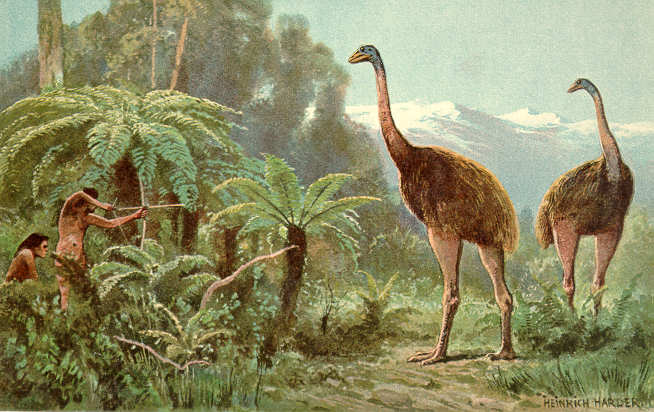
The headline is extraordinary, but the engineering detail is even more important. Birds are difficult for de-extinction because they do not develop inside a womb. You cannot simply use a mammalian surrogate as in some cloning concepts. A giant extinct bird such as the South Island moa presents an obvious problem: no living bird is large enough to hatch it naturally. If you want to bring back large extinct birds, you need a different kind of egg.
That is why artificial egg technology matters. Colossal’s system reportedly uses a 3D-printed structure and a bioengineered membrane designed to mimic the oxygen exchange and protective functions of a natural eggshell. The goal is not just to hatch chickens for spectacle. It is to create a platform that can support genome-edited embryos for conservation and de-extinction projects.
Supporters see a breakthrough. If artificial eggs can scale, endangered birds with low hatch rates may gain new reproductive options. Conservationists could work with stored genetic material, reduce reliance on fragile breeding populations, and perhaps one day restore extinct species or lost traits. The moa, dodo, and other extinct birds become less like museum ghosts and more like engineering challenges.
Critics see a dangerous distraction. The world is losing species because of habitat destruction, invasive predators, pollution, climate change, overhunting, and human expansion. Reviving a bird without restoring its ecosystem may be theatrical, not ecological. A de-extinct moa would not return to the world it left. It would enter a planet transformed by farms, roads, cities, diseases, and politics.
The headline says de-extinction just became a construction project. The more careful conclusion is that one bottleneck may have been weakened, not solved. Hatching chickens from artificial eggs is not the same as bringing back a moa. But it is a major step toward a world where extinction is no longer a permanent boundary in the old way.