Assange, Snowden and a “War Cover-Up”: The Viral Timeline—and the Obama Pedophile Claim—Falls Apart
A viral theory links supposed WikiLeaks revelations to Europe’s war preparations and revives a fabricated Obama allegation. The chronology does not prove the conspiracy.
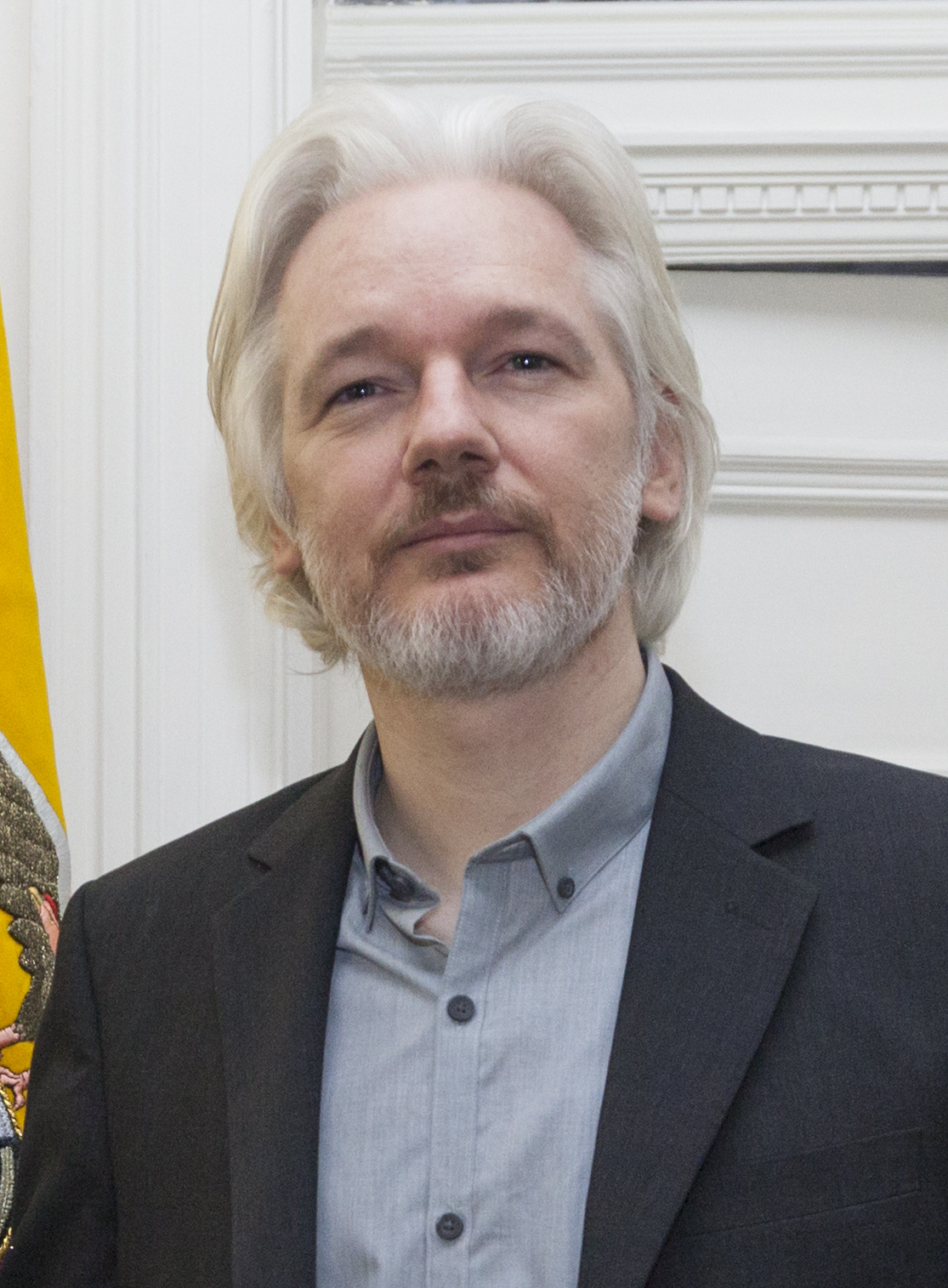
A viral post presents a perfectly cinematic sequence: Julian Assange returns and promises explosive leaks; rumors of an Edward Snowden pardon dominate the internet; European governments prepare shelters and emergency supplies; therefore war warnings must be a cover-up for files that threaten “the empire.” It then adds an even more serious allegation—that Barack Obama operated or participated in a pedophile ring in the White House.
The final allegation is unsupported and should not be repeated as fact. Earlier posts falsely attributed a similar claim to Assange. AAP FactCheck and Crikey reported that WikiLeaks ambassador Joseph Farrell said the quotation was fabricated. FactCheck.org and PolitiFact have documented related baseless child-trafficking conspiracy narratives involving Obama and other U.S. politicians. No authenticated WikiLeaks document, court record or credible investigation establishes the White House claim.
That does not mean governments never exploit crises, classify embarrassing information or time announcements strategically. History provides examples of officials using national-security narratives to distract, limit scrutiny or justify secrecy. Skepticism is legitimate. But skepticism requires a higher evidentiary standard than the institutions it challenges.
The timeline argument commits a common error: events that occur close together are treated as proof of coordination. European governments have discussed civil defense, shelters, food reserves and cyber resilience for years, particularly since Russia’s full-scale invasion of Ukraine. Germany’s military-readiness planning, Finland’s conscription system and EU preparedness guidance have long policy histories. They did not suddenly appear because of a social-media promise about leaks.
The Assange portion also needs primary evidence. Did Assange personally publish a dated statement saying “I’m back”? Did WikiLeaks identify the documents, schedule and authentication process for a release? Was the statement carried on an official channel, or was it a screenshot repeated by accounts seeking engagement? A real announcement would still not prove that unrelated defense measures were designed to suppress it.
The Snowden claim should be tested the same way. A pardon would normally generate a White House document, Justice Department record or direct statement. Internet discussion about a possible pardon is not equivalent to one being granted. A theory built on two uncertain premises becomes weaker, not stronger, when they are stacked together.
Why are such stories persuasive? They turn complex events into a single plot with identifiable villains. War preparations, elite secrecy, sexual abuse and whistleblowers are emotionally powerful subjects. The post also protects itself from disproof: if the predicted files do not appear, that can be framed as evidence they were suppressed. A claim that explains both an event and its absence cannot easily be tested.
There are real questions worth asking about emergency policy. Are threat assessments public? Who benefits from new defense spending? Are restrictions on speech proportionate? Do officials exaggerate danger? Those questions can be investigated through budgets, procurement records, legislation and official correspondence. Adding an unevidenced pedophile allegation distracts from that work and risks defaming identifiable people.
Responsible reporting on future leaks also requires authentication. Documents can be genuine, altered, selectively released or mixed with forgeries. Metadata, chain of custody, corroboration and responses from named parties matter. WikiLeaks’ historical importance does not make every quote circulating under its name authentic.
The most revealing aspect of the viral theory may be its construction. It combines several partially true or emotionally familiar elements—Assange, Snowden, European anxiety and distrust of institutions—then uses their proximity to smuggle in an allegation unsupported by evidence. That is not proof of a hidden war plan. It is a textbook method of manufacturing certainty.
The media environment rewards the opposite approach. A sensational accusation travels faster than a correction, and attaching the names of Assange or Snowden lends borrowed credibility. Users see thousands of shares and mistake popularity for corroboration. Responsible readers can slow that cycle by searching the exact quotation, locating the earliest version, checking whether an official account posted it and asking whether reputable outlets link to primary material. If every version cites another social post and none cites a document, the apparent network of sources may be one unsupported claim repeating itself.
What to watch next
Does Assange or WikiLeaks publish an authenticated release through an official channel? Is any Snowden action documented by the White House? Do European preparedness measures predate the viral timeline? And can any accuser produce verifiable records for the Obama claim? Until then, the responsible conclusion is clear: the conspiracy is unproven, and its most inflammatory allegation has already been traced to fabricated attribution.