Burkina Faso’s Ibrahim Traoré Turns on Sharia Politics: Anti-Islamist Warning or Nationalist Power Play?
Reported remarks from Burkina Faso’s interim leader Ibrahim Traoré reject imported religious rule and call students home from Arab countries. Is this secular nationalism, anti-extremism, or a new stage in Sahel politics?
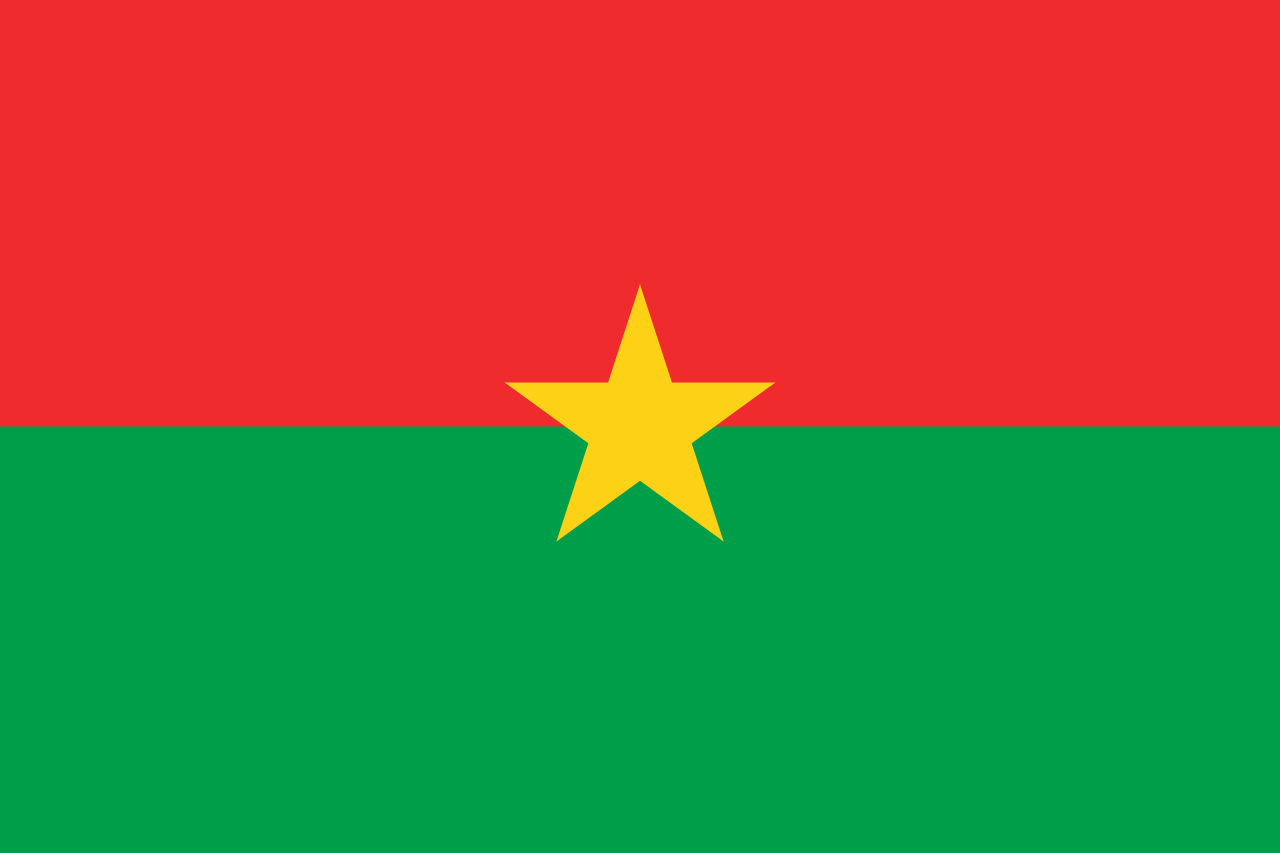
Reported remarks attributed to Burkina Faso’s interim president, Captain Ibrahim Traoré, have opened a new and sensitive debate in the Sahel: can a military-nationalist government fighting jihadist insurgencies also confront imported religious politics without alienating its own Muslim citizens?
The comments circulating online are blunt. Traoré is quoted as warning that some Burkinabé students studying in Arab countries return with money, ideology and pressure to apply Sharia law. He reportedly said he does not want imams educating young people in Islam if that education produces internal violence, and that students who refuse to return home may no longer be considered part of Burkina Faso.
Because these remarks are circulating through political and social-media channels, they should be treated carefully unless fully authenticated by official state transcripts. But the political logic behind them is real. Burkina Faso is at the center of a brutal security crisis. Armed groups linked to al-Qaeda and Islamic State have expanded across rural areas, displacing communities and weakening state control. In that environment, any ideology seen as externally funded, sectarian or militant becomes a national-security issue.
Traoré’s governing style is built around sovereignty. He has cut ties with France, embraced a language of anti-imperialism, expanded relations with Russia and presented himself as a defender of national dignity. A rejection of foreign-funded religious politics fits that frame. The message is not simply anti-Islam; it is anti-external control, anti-fragmentation and anti-rival authority.
Still, the line is dangerous. Burkina Faso is a religiously diverse country with a large Muslim population. If the government’s message becomes too broad, it risks conflating ordinary Islamic education with extremist mobilization. That would be a strategic mistake. The state needs cooperation from local religious leaders to fight militant recruitment. Turning every imam into a suspect would strengthen the very underground networks the government wants to weaken.
Supporters of Traoré’s position will argue that the Sahel has paid a terrible price for allowing foreign money and transnational religious networks to shape local politics. They will point to the spread of violent groups, the collapse of rural security, and the way jihadist organizations exploit poverty, identity and religious literacy to build parallel authority. From that view, calling students home is a sovereignty measure.
Critics will see something else: a military government trying to monopolize ideology. If the state decides who is religious enough, who is national enough, and who belongs, then anti-extremism can become a tool of repression. That danger is not theoretical. Across the region, governments have often used security language to silence opponents, journalists, civil society groups and minority voices.
The most important issue is whether Burkina Faso can distinguish between religious faith, political Islam, foreign influence and armed extremism. These are not the same thing. A country can defend secular law without demonizing believers. It can regulate foreign funding without criminalizing education. It can fight jihadism without turning national identity into a loyalty test.
There is also a broader regional signal. The Sahel’s new military leaders often present themselves as anti-Western, but that does not mean they are ready to accept influence from every other external pole. Gulf money, Turkish networks, Iranian outreach, Russian security partnerships and local tribal politics all compete in the same space. Traoré’s reported remarks suggest Ouagadougou may want to control all ideological pipelines, not only Western ones.
The headline says Traoré rejected Sharia. The deeper question is whether Burkina Faso is building a resilient civic nationalism or replacing one form of outside influence with a centralized military ideology of its own. In a country under pressure, that distinction could decide whether unity is strengthened or fear becomes policy.