China’s Unannounced Drills Around Taiwan: A Rehearsal for Blockade—or a Message to Washington?
Reuters reports that China conducted large, undeclared military exercises across the western Pacific and around Taiwan. Taipei calls the activity intimidation; Beijing has not formally announced a drill.
China carried out a large, unannounced military exercise across the western Pacific and around Taiwan in early November, Reuters reported Friday, citing officials in Taipei and other sources. Taiwan described the activity as “silent intimidation” and said the exercises involved an aircraft carrier and other naval formations. Beijing did not publicly announce a named exercise.
The distinction between an official drill and an operation described by neighboring governments matters. Beijing regularly conducts air and naval activity near Taiwan, but the scale, timing and coordination of this episode drew particular attention. Taiwan’s defense minister Wellington Koo said the movements resembled “area denial” activity: military operations that could complicate or deter outside forces trying to reach the island in a crisis.
Taiwan is self-governed, while China claims it as part of its territory and has not renounced the use of force. Beijing says peaceful reunification remains its preferred outcome. Taipei sees the recurring military pressure as coercion and has called for stronger defense and international support. Those competing descriptions shape how each side interprets exercises that may be presented by one government as routine training and by another as a threat.
What can be inferred from an undeclared exercise? It could test coordination among different naval commands, collect intelligence on regional responses, signal displeasure with foreign support for Taiwan, or rehearse elements of a blockade. None of those explanations is confirmed as the sole purpose. Military demonstrations often serve several audiences at once: Taiwan’s government, the United States, regional allies and China’s domestic public.
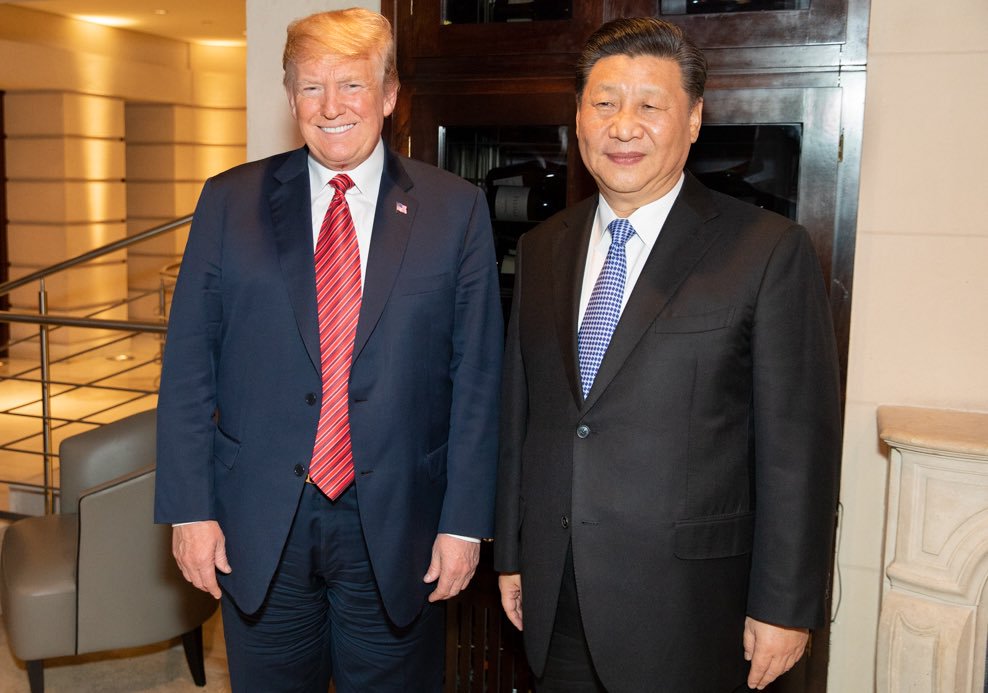
The timing is also relevant. U.S.-China leaders are expected to meet at an international summit, but dialogue does not necessarily reduce military signaling. A display of capability can be intended to strengthen Beijing’s leverage before diplomatic talks; it can also make a miscalculation more likely if aircraft and ships operate at close range.
For Taiwan, the central question is whether this was a one-off show of pressure or part of a more sustained pattern designed to narrow its room for maneuver. For Washington and regional capitals, the question is how to deter coercion without turning every exercise into a step toward conflict. What would count as evidence that Beijing is rehearsing an actual blockade—and what response would reduce, rather than accelerate, the danger?