China Warns Washington Against More Tech Restrictions as U.S.-China Rivalry Deepens
Beijing has cautioned Washington against using an espionage controversy as a pretext for new technology limits, as both governments weigh national security against commercial ties.
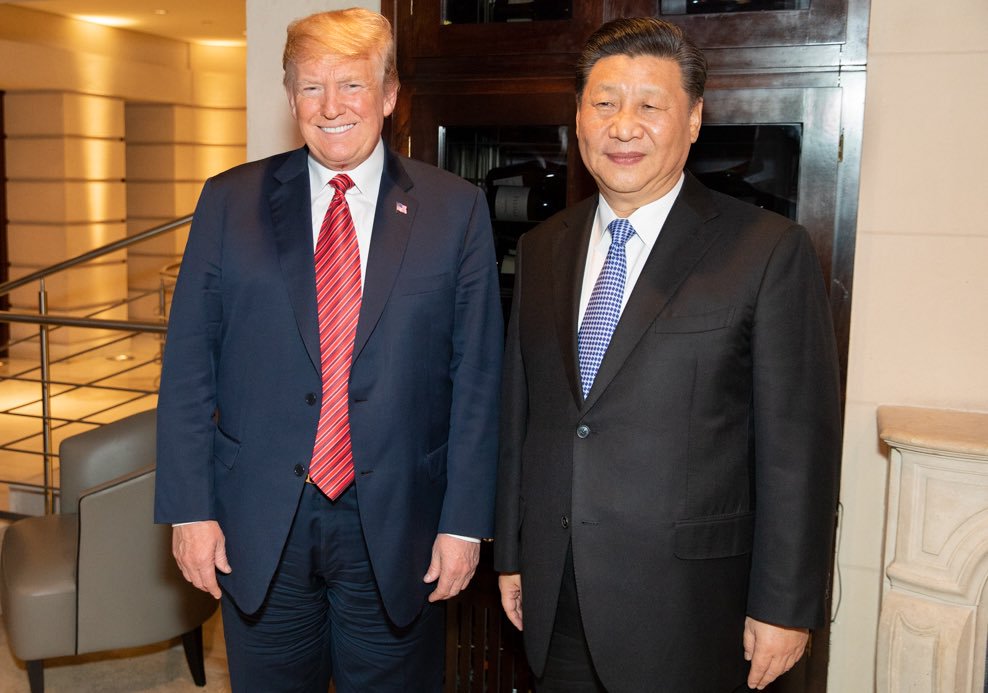
China has warned the United States against imposing further restrictions on Chinese technology purchases, adding another point of friction to a relationship already shaped by semiconductor controls, artificial-intelligence competition and national-security concerns.
The Financial Times reported Beijing’s warning as U.S. lawmakers seek answers about an alleged Chinese intelligence effort involving Nvidia chief executive Jensen Huang and a Chinese businesswoman. The allegations have not been established in court, and Nvidia’s security procedures and the executive’s conduct remain subjects of scrutiny. China’s objection is that an espionage investigation should not automatically become a justification for broad technology limits.
The dispute sits inside a wider contest over advanced chips. Washington has restricted exports of high-performance semiconductors and related equipment, arguing that access can support Chinese military and surveillance capabilities. Beijing says such measures are containment and has expanded efforts to develop domestic alternatives. At the same time, China itself has used import restrictions to push its technology industry toward self-sufficiency.
This creates an awkward balance for companies and policymakers. Strict controls may slow China’s access to advanced systems, but they can also reduce sales for U.S. firms, encourage rival supply chains and make future compliance more difficult. A more permissive approach could preserve commercial links but leave unresolved concerns about military use and technology transfer.
The debate is not only about whether a particular firm or individual acted improperly. It is about what evidence should be required before access is restricted, how targeted controls can be, and whether security concerns are being applied consistently by both governments. The alleged Nvidia case may become a political flashpoint, but public information is still incomplete.
China’s warning comes as leaders prepare for another high-level encounter, where trade and technology are likely to feature alongside Taiwan and broader strategic competition. A summit may ease rhetoric without resolving the structural rivalry.
Would additional restrictions reduce security risks, or accelerate the division of the global technology market into competing blocs? And can either side draw a clear boundary between legitimate national-security protection and economic pressure?