Dan Scavino Posts B-2 Bombers Again: Real War Signal, Psychological Pressure or Internet Pattern-Matching?
A B-2 bomber video from Trump aide Dan Scavino has triggered Iran-war panic. But is it a signal from the White House, or another viral omen?
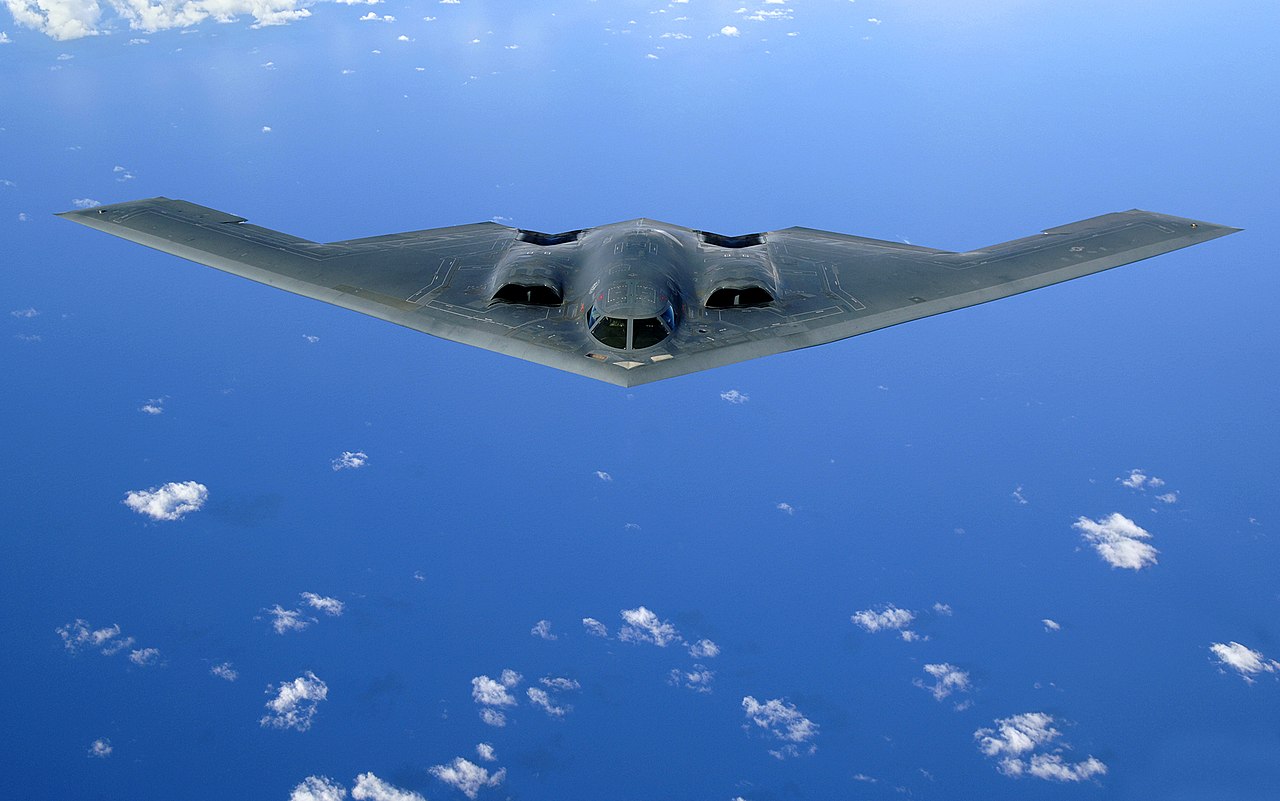
In the age of social-media warfare, a 20-second video can become a strategic event. White House Deputy Chief of Staff Dan Scavino reportedly posted footage of B-2 stealth bombers as U.S.-Iran tensions surged. Within minutes, commentators connected it to previous B-2 imagery, GPS jamming, U.S. tanker movements and Trump’s evening press lid. The conclusion spread fast: the bombers are a warning, and strikes may be imminent.
Maybe. But maybe not.
The B-2 is not just an aircraft. It is a symbol. It is the platform Americans associate with deep penetration, hardened targets, long-range strike and nuclear-era deterrence. When a senior political aide shares B-2 imagery during an Iran crisis, it is almost impossible for observers not to interpret it as a message. That may be the point. The message does not need to be official to be useful. It tells Iran, markets, allies and domestic audiences that the strike option is alive.
But internet pattern-matching can be dangerous. The fact that a similar post preceded a previous attack does not prove every future post is a countdown. Political staff share dramatic military content for many reasons: morale, deterrence theater, branding, pressure, or simple propaganda. Not every image is an operational signal. If governments wanted to launch surprise attacks, broadcasting the exact clue on social media would be an odd way to preserve surprise.
Still, the context makes the post more important than ordinary content. CBS reported that the Trump administration has prepared for possible new strikes. U.S. military and intelligence personnel reportedly canceled holiday plans. Iran has warned of retaliation. Regional GPS interference has been observed. Negotiators are racing to salvage a deal. In that environment, a B-2 video becomes part of the pressure campaign whether Scavino intended it or not.
This is how modern coercion works. Governments no longer rely only on formal statements. They use leaks, aircraft movements, social posts, anonymous briefings, press lids, satellite imagery and market signals. Each piece may be ambiguous alone. Together, they create a psychological environment. Iran is supposed to wonder whether the next hour is the hour.
There is also a domestic audience. Trump wants to appear restrained but not weak. Posting or allowing military symbolism helps maintain hawkish credibility while diplomacy continues. Supporters see strength. Critics see escalation theater. Iran sees a threat. Markets see risk. Everyone reads the same video differently.
The danger is miscalculation. If Iran believes a strike is imminent, it may preemptively move assets, raise alert levels or prepare retaliation. If the U.S. sees those movements, it may interpret them as aggression. A video can contribute to a feedback loop where each side reacts to what it thinks the other side is about to do.
The headline asks whether Scavino’s B-2 post means war tonight. The honest answer is no one outside the command chain knows. But the post matters because it shows how close the region is to interpreting symbols as orders. In a calm period, a bomber video is political theater. During an Iran strike window, it becomes strategic noise — and strategic noise can still move the world.