De-Dollarisation Accelerates: Are Russia, China and India Building a Real Alternative to the Dollar?
Russia says trade with China is now overwhelmingly settled in national currencies, while India-Russia payments have also shifted away from the dollar. Is this the birth of a new financial order — or a sanctions-driven workaround?
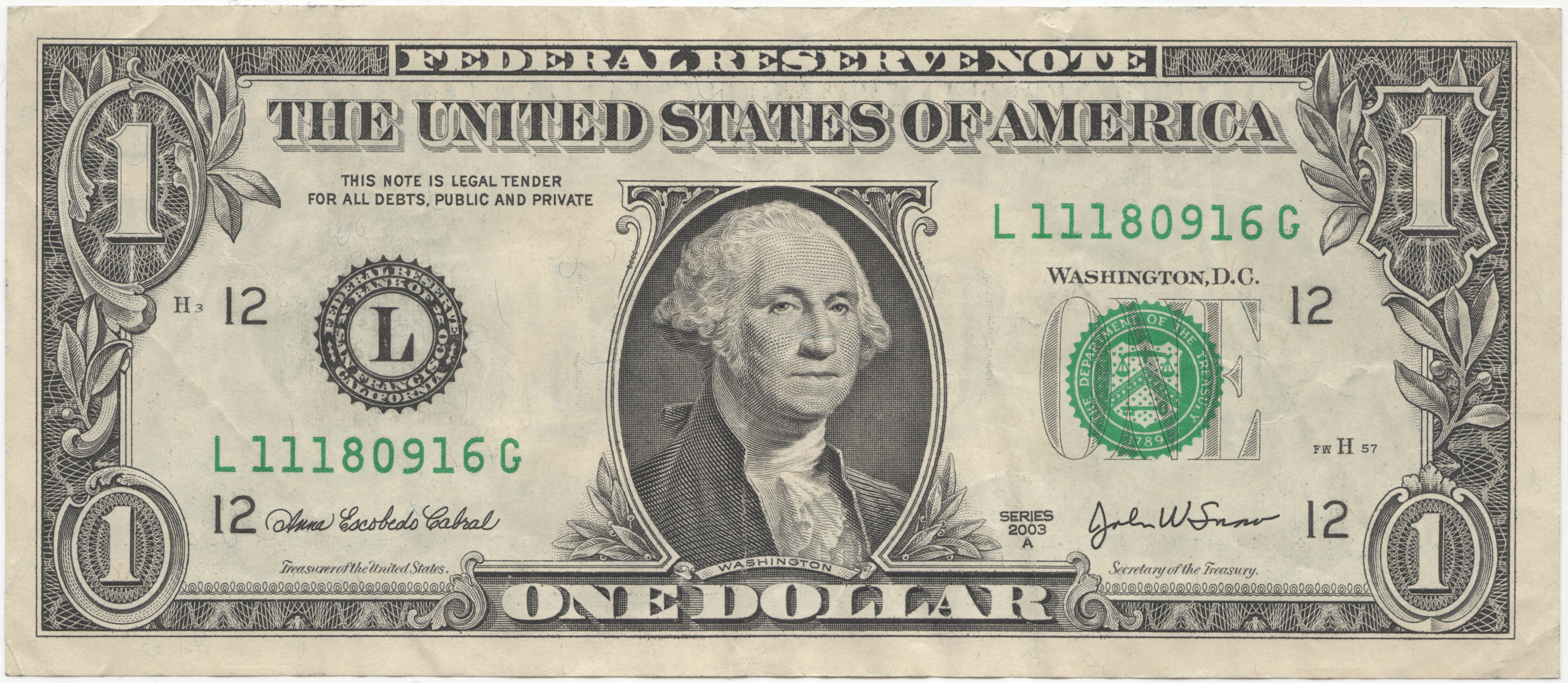
De-dollarisation is no longer a slogan shouted only at BRICS summits. It is becoming a technical fact in parts of Eurasian trade. Russian officials say Russia-China trade is now conducted overwhelmingly in national currencies, mainly rubles and yuan. India-Russia settlements have also shifted heavily away from the dollar, with some estimates placing national-currency use near the mid-90% range. The question is no longer whether the dollar can be avoided in some trade. The question is whether avoiding it creates a real alternative system.
For Moscow, the answer is strategic survival. Western sanctions after the Ukraine war pushed Russia to build payment channels that could not easily be frozen, blocked, or priced through hostile financial systems. If Russia sells energy to China and gets paid in yuan, or settles with India outside the dollar, it reduces exposure to U.S.-controlled banking rails. That does not make Russia financially free. It makes it harder to choke.
For Beijing, the logic is different but complementary. China wants the yuan to play a larger role in global commerce, especially in energy and commodities. The more China buys oil, gas, minerals and food in yuan or local currencies, the more it reduces dollar dependency. This is not only about pride. It is about insulation. If Washington can weaponize the dollar against Russia today, Chinese strategists ask what could happen to China tomorrow in a Taiwan crisis or tech confrontation.
India’s position is more ambiguous. New Delhi does not want to become a subordinate part of a China-led financial bloc. It values relations with Washington, Europe, Russia, the Gulf and the Global South. But India also wants strategic autonomy. Buying discounted Russian energy while managing U.S. pressure required payment flexibility. National-currency settlement is less a revolution for India than a tool.
The viral claim is that the Russia-India-China triangle is building a genuine alternative to the dollar-based system. That is partly true, but it needs nuance. Trade settlement in local currencies is not the same as replacing the dollar as the world’s reserve currency. The dollar remains dominant because of market depth, liquidity, legal predictability, U.S. Treasury markets, global invoicing habits, and trust in convertibility. The yuan cannot fully replace the dollar while China maintains capital controls and while foreign investors worry about political intervention. The ruble cannot replace anything globally while Russia is sanctioned and volatile.
But reserve dominance is not the only battlefield. The dollar can remain dominant globally while losing control over specific corridors. Energy trade between sanctioned or semi-aligned states can migrate into local currencies. Commodity contracts can diversify. Central banks can hold more gold. Payment systems can fragment. The result may not be one new dollar replacement. It may be a patchwork world: dollars for much of global finance, yuan for China-centered trade, rupees and dirhams in specific corridors, gold for reserves, crypto or stablecoins at the margins.
That fragmentation matters. The power of the dollar comes not only from usage but from universality. If countries believe every future geopolitical dispute could bring sanctions, they will build escape routes even if those routes are less efficient. Sanctions may remain powerful, but overuse can teach targets how to survive them.
Supporters of de-dollarisation call this liberation. Critics call it a protection racket for authoritarian and sanctioned states. Both arguments contain truth. A world with alternatives can protect sovereignty. It can also protect bad actors from accountability. The same mechanism that lets a country resist unfair pressure can let another country evade consequences for aggression.
For investors, the practical question is not whether the dollar collapses tomorrow. It will not. The real question is whether marginal demand for dollar settlement, dollar reserves and dollar-denominated trade slowly weakens in strategic sectors. Energy, defense, critical minerals and sanctioned trade are the places to watch.
The headline says Russia, China and India are building a new financial order. The deeper reality is more subtle: they are building insurance against the old one. If enough countries buy that insurance, the dollar system does not disappear. It becomes less absolute.