Dubai Just Opened the Residency Door: No More AED 750,000 Property Barrier for Single Owners?
Dubai has reportedly removed the AED 750,000 minimum property threshold for sole owners applying for a two-year real-estate investor residency visa, while setting AED 400,000 per person for joint ownership. Is this a genuine investor revolution or a smart liquidity move in a tense regional market?
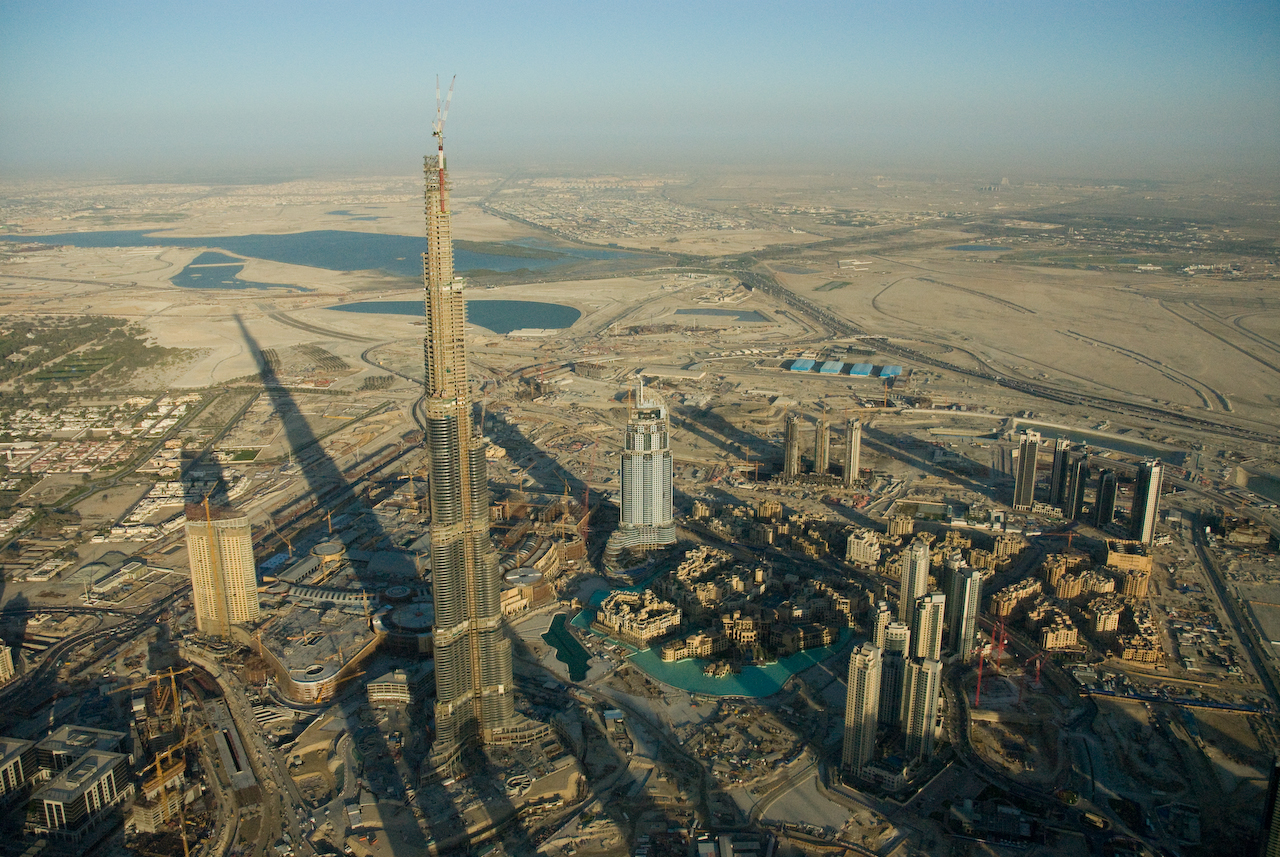
Dubai has quietly made one of the most investor-friendly moves in the Gulf property market this year: the old AED 750,000 minimum property value requirement for some single-owner real-estate residency applications appears to have been removed, while joint owners now reportedly need AED 400,000 each to qualify.
At first glance, this sounds like a small administrative adjustment. In reality, it could become a major shift in how Dubai attracts small and mid-tier foreign investors. For years, the property-residency equation was simple: buy above a threshold, qualify for a visa, and join the UAE’s growing ecosystem of entrepreneurs, remote workers, landlords and international families. The new rule appears to change the entry logic. For sole owners, the question is no longer only how expensive the property is. It is whether the applicant fully owns a completed residential property and satisfies the usual documentation requirements.
That matters because Dubai’s real-estate market is no longer only about luxury villas, palm-shaped islands and ultra-high-net-worth buyers. The city is increasingly competing for global mobile capital: digital entrepreneurs, consultants, crypto investors, remote executives, small landlords and families looking for a hedge against instability elsewhere. A lower visa threshold can make studios, compact apartments and secondary-market assets more attractive to buyers who previously saw the residency pathway as just out of reach.
But there is a second side to the story. The change is not simply a giveaway. For joint ownership, the new AED 400,000-per-person rule could actually tighten the framework in some cases. A couple or two investors buying a smaller unit together may not both qualify unless each individual share reaches the required amount. That makes the reform more nuanced than the viral version suggests. Dubai is opening the door wider for sole owners, but it is also clarifying the rules for shared ownership.
Why now? The timing is impossible to separate from the broader regional context. The Gulf is watching a historic energy shock, a US-Iran confrontation, pressure on shipping through the Strait of Hormuz, and rising competition between Dubai, Riyadh, Doha and Istanbul for mobile money. In this environment, residency rules are not just immigration rules. They are capital-attraction tools.
Dubai has long understood this better than almost any city in the region. It does not have to be the largest oil producer, the biggest military power or the most populous market. It only needs to remain the place where money feels legally safer, logistically easier and socially more comfortable than the alternatives. Lowering barriers to property-linked residency can help Dubai capture exactly the kind of global investor who wants optionality: a UAE base, a bankable address, access to airports, and distance from heavier taxation or political unpredictability elsewhere.
There is also a property-market angle. By expanding visa eligibility downward, Dubai may support liquidity in lower and mid-market residential segments. Smaller units become more than rental assets; they become mobility products. That can boost demand, but it can also raise questions. Will this push prices higher for local residents and long-term tenants? Will developers market smaller properties aggressively to overseas buyers? Could speculative buying increase if investors believe even modest units now carry residency value?
Supporters will call it smart, competitive policy. Critics will say Dubai is again using residency as a financial magnet while other countries struggle with housing affordability and capital flight. Both views can be true. A city can be strategically brilliant and still create new distortions.
The deeper question is whether this is part of a wider Gulf shift. Saudi Arabia is rewriting its investment rules. Turkey is promoting tax and residency incentives. The UAE is constantly adjusting its visa architecture. In a world where war, inflation and taxation are reshaping where people live and park their money, residency has become a product.
Dubai’s message is clear: the door is not only for billionaires anymore. But the more important question is what happens next. Will this create a genuine wave of productive investors, founders and long-term residents? Or will it mostly fuel another round of property speculation dressed up as migration policy?
Either way, one thing is obvious: Dubai is not waiting for the world to calm down. It is monetizing uncertainty.