Ghalibaf Says America Nearly Got Its Gulf Allies ‘Killed for Israel.’ Is a Post-U.S. Middle East Security Order Emerging?
Iran’s parliament speaker says neighboring states are discussing new regional security and economic arrangements after the war exposed the risks of dependence on Washington. The real trend is broader hedging—not yet an Iranian-led order.
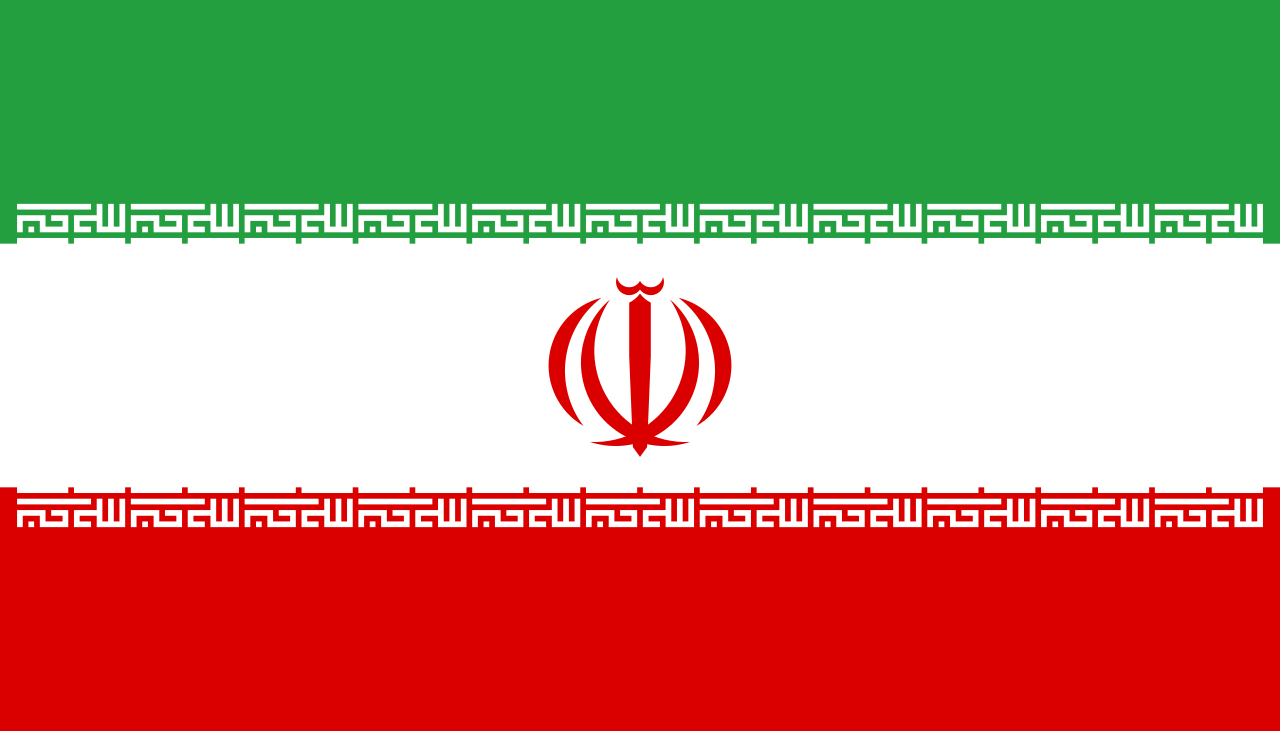
Iranian Parliament Speaker Mohammad Bagher Ghalibaf is arguing that the Iran war has broken the old Middle East security model.
He says Tehran has received numerous messages from neighboring countries about new security arrangements and economic cooperation. His central accusation is that the United States placed every regional ally at extreme risk because Washington prioritised Israel over their interests.
The solution, Ghalibaf says, is a ‘homegrown, independent order.’
The claim is Iranian political messaging, but it is built on a real regional shift.
The U.S.-Iran war exposed a vulnerability Gulf states had spent decades trying to avoid. Countries hosting American forces and expensive missile defences still suffered Iranian attacks. Oil infrastructure was damaged. Shipping through Hormuz collapsed. Military bases became targets.
That does not mean American security guarantees disappeared. It means they were shown to be incomplete.
The clearest evidence of diversification is the new Saudi-Turkish-Pakistani defence pact signed in Mecca. Saudi Arabia brings money and regional influence. Turkey brings a large military and defence industry. Pakistan adds nuclear deterrence and a longstanding security relationship with Riyadh.
None of those countries is abandoning Washington. The pact gives them another option.
This is the regional trend Ghalibaf wants Iran to claim as a victory.
For years Tehran has argued that Gulf security should be managed by regional states rather than American bases. In principle, that sounds attractive: neighbours negotiate with neighbours and no outside superpower controls the architecture.
The problem is that Gulf states do not fear only Washington or Israel. They fear Iran too.
Iranian missiles and drones have hit Gulf infrastructure. Iran-aligned armed groups operate across Iraq, Lebanon and Yemen. Tehran has used disruption of the Strait of Hormuz as leverage over countries economically dependent on the waterway.
A Saudi official can therefore believe two things simultaneously: U.S. backing for Israel exposed Saudi Arabia to unacceptable danger, and Iran remains a major reason Saudi Arabia needs powerful military partners.
That is why the emerging system looks less like an Iranian-led order and more like multipolar hedging.
Saudi Arabia maintains ties with Washington while building with Turkey and Pakistan. Qatar mediates with Iran while hosting major U.S. forces. Oman works with Tehran on Hormuz while maintaining Western defence links. The UAE is close to Washington but increasingly pursues its own independent regional strategy.
Even China is becoming more important because Gulf economies want alternatives to reliance on one superpower.
Ghalibaf’s claim that neighboring states are sending messages about new security arrangements is impossible to verify fully because diplomatic outreach is often private. It would also be normal during a major war: governments talk to adversaries precisely when they fear accidental escalation.
A message does not equal acceptance of Tehran’s model.
The larger political point is still important. The war appears to have accelerated a transition from a U.S.-centric security system toward a system where states maintain several overlapping relationships at once.
Israel is another driver. Gulf governments increasingly worry that Israeli military action in Gaza, Lebanon, Syria or Iran can trigger retaliation that lands on their own territory.
That does not necessarily make them pro-Iran. It makes them more determined not to let either Israel or Iran dictate their security environment.
For Tehran to become a legitimate pillar of a regional order, it would need to convince neighbours that Iranian power will not be used coercively. That means confidence over missiles, proxies, shipping and territorial sovereignty.
Until then, Ghalibaf may be correct that the American monopoly on regional security is weakening. He has much less evidence that what replaces it will be Iranian.
The emerging order looks more complicated: states buying American weapons, Turkish drones, Pakistani guarantees, Chinese investment and diplomatic insurance with Iran—all at the same time.