Global Sumud Flotilla Activists Return to Istanbul: Humanitarian Mission or Blockade Showdown?
Hundreds of Global Sumud Flotilla activists returned to Istanbul after being detained and deported by Israel. The legal and moral battle over Gaza’s blockade is far from over.
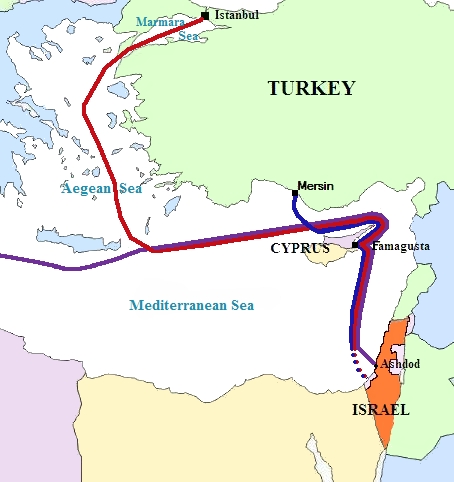
The return of Global Sumud Flotilla activists to Istanbul is more than the end of a detention story. It is the latest chapter in a long, bitter argument over Gaza, naval blockades, humanitarian symbolism and international law. Israel says the activists attempted to breach a security blockade. Supporters say they were trying to expose a humanitarian catastrophe that governments have normalized.
Hundreds of foreign activists were deported after Israeli forces intercepted the Gaza-bound flotilla. The images that followed — exhausted participants arriving in Turkey, supporters waving Palestinian flags, accusations of mistreatment, and diplomatic complaints from European governments — turned what Israel wanted to frame as a security operation into a global public-relations crisis.
The flotilla’s critics make a simple point: Israel has maintained a blockade on Gaza since Hamas took power, and Israeli officials argue that sea routes can be used to move weapons, dual-use materials or propaganda assets. From that view, flotilla missions are not neutral charity. They are political theater designed to force a confrontation, embarrass Israel and create viral images.
The flotilla’s defenders answer that political theater is sometimes the point. When conventional diplomacy fails and humanitarian suffering continues, symbolic action becomes a way to force attention. The vessels reportedly carried limited aid, but their real cargo was visibility. They asked a question governments do not like answering: if Gaza needs food, medicine and reconstruction, why does a civilian convoy become a military event?
The conduct of Israeli officials after the interception has become a story of its own. Footage published by National Security Minister Itamar Ben-Gvir showing detained activists in humiliating conditions triggered international backlash. Even some Israeli officials reportedly distanced themselves from the tone and optics. That matters because states can win the physical operation and lose the narrative. Boarding vessels is one thing; appearing to mock detainees is another.
For Turkey, the return of activists to Istanbul strengthens Ankara’s position as a stage for pro-Palestinian diplomacy. Turkey can present itself as the country receiving civil society participants after Israeli detention. That plays domestically, regionally and internationally. It also keeps pressure on European governments, many of which have criticized aspects of Israel’s Gaza policy while still maintaining deep security, trade and diplomatic ties.
The legal argument is not simple. Naval blockades can be lawful under certain conditions, but they must meet tests around necessity, proportionality, notification and humanitarian impact. Israel argues security necessity. Human rights groups argue collective punishment and unlawful restriction of civilians. The flotilla forces this legal question into public view: when does a blockade become security, and when does it become siege?
The media argument is even sharper. Israel wants to focus on Hamas, security threats and sovereign enforcement. Activists want to focus on Gaza’s civilians, aid restrictions and the moral absurdity of blocking humanitarian symbolism. Both sides understand that images shape policy. A detained activist, a masked commando, a child in Gaza, a minister taunting prisoners — each image competes for moral authority.
The uncomfortable question for readers is whether flotillas actually help Gaza. Critics say they provoke confrontation, harden Israeli policy and deliver little material aid. Supporters say they keep Gaza in the headlines, mobilize public opinion and expose the human cost of blockade. Both can be true. The aid may be symbolic, but symbols change politics.
The activists are back in Istanbul. The blockade remains. That is the real story. A flotilla can be intercepted in a day, but the argument it represents cannot be deported so easily.