Piracy Risk Returns to the Gulf of Aden: What a Recent Armed Approach Means for Ships and Trade
A maritime security center reported an armed small craft fired on a merchant vessel in the Gulf of Aden on October 17. The crew was safe; the incident was suspicious activity, not a confirmed boarding.
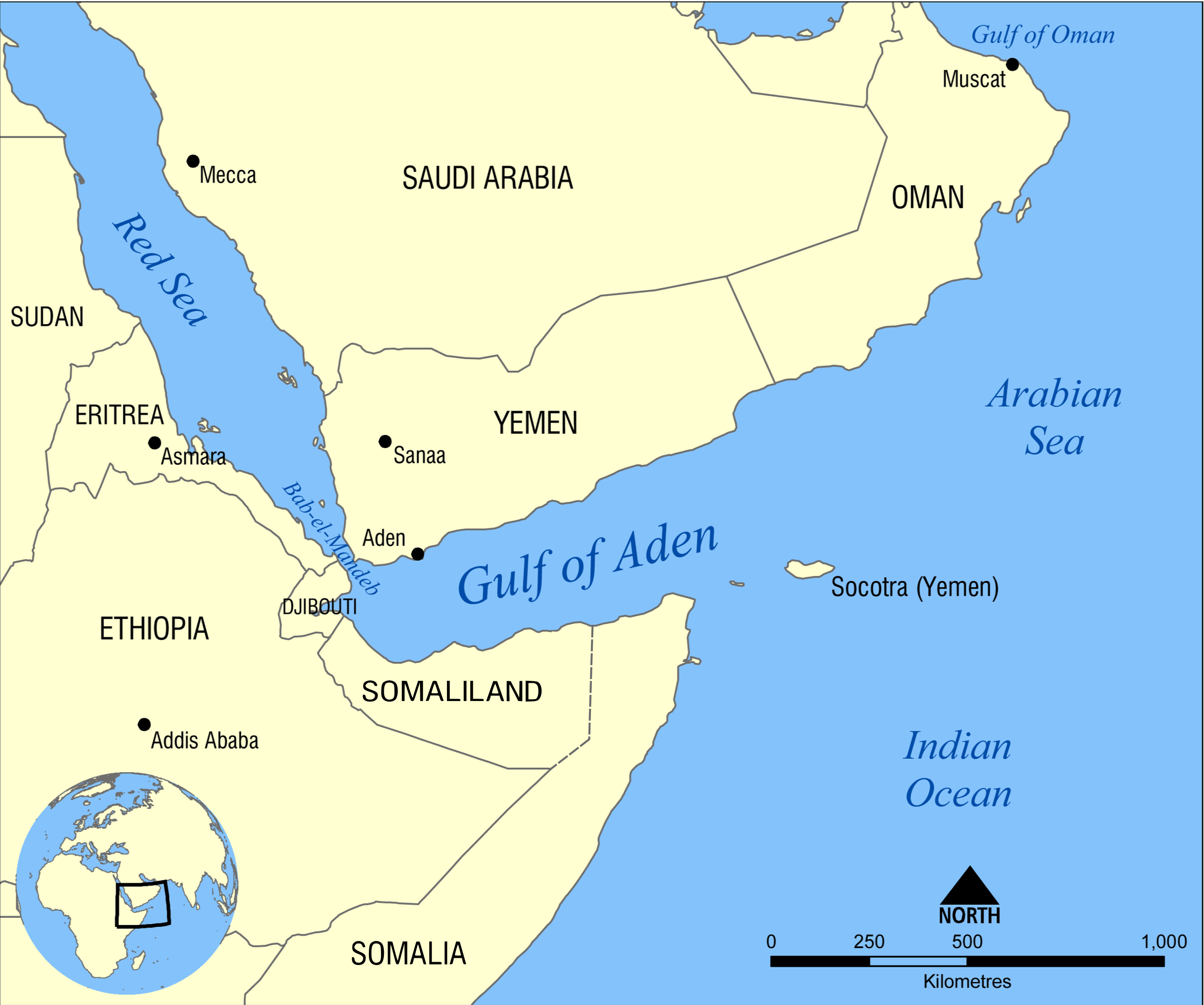
Ships transiting the Gulf of Aden are being urged to maintain vigilance after a maritime security center reported that an armed small craft approached a merchant vessel and opened fire on October 17. The vessel’s embarked security team fired warning shots, after which the small craft moved away. No boarding was reported and the crew were safe. The incident is serious, but it should not be described as a confirmed hijacking or as a brand-new UKMTO warning on October 28.
What the alert says
The Maritime Security Centre Indian Ocean said the incident occurred near 12°54’N, 47°56’E in the Gulf of Aden. A small craft with seven people reportedly armed with rifles came within about 100 metres of the ship’s starboard quarter and fired. The vessel’s armed team responded with warning shots; no ladders or hooks were seen, and the craft departed.
That account indicates an armed approach, not a completed boarding. The crew and vessel were reported safe. The MSCIO advised vessels to maintain heightened vigilance, follow best-management practices and report suspicious activity to the regional security centers. That is a continuing navigational caution, not evidence that every ship in the area faces an imminent attack.
Piracy and the wider security environment
The Gulf of Aden has a long history of piracy, especially off Somalia and Yemen. International naval patrols and shipboard security reduced hijackings for years, but maritime authorities say the threat has risen again in 2026. A US Maritime Administration advisory cited four reported hijackings and 17 boarding or armed-robbery incidents since March, while warning that piracy poses a general threat across the Gulf of Aden, Arabian Sea and Indian Ocean.
The region is also affected by conflict-related attacks, including missile and drone incidents in nearby waters. It is important to distinguish piracy for ransom from attacks connected to regional warfare. The tactics may overlap, but the motive, perpetrators and response differ. Conflating them can distort risk assessments and cause shipping firms to make decisions on an inaccurate picture.
What ship operators can do
Operators are advised to maintain lookouts, follow routing and reporting guidance, keep security measures appropriate to the vessel and coordinate with UKMTO and MSCIO. Commercial crews need clear procedures for suspicious approaches and access to reliable alerts. The use of armed guards is a separate policy choice with potential consequences; authorities should assess each incident carefully rather than assume that more force always improves safety.
Shipping risks affect more than vessel owners. A sustained increase in attacks can raise insurance premiums, extend routes and increase costs for cargo and energy. But one incident does not automatically mean a return to the peak piracy crisis of the late 2000s. Trend data over months, confirmed hijackings and attacks on different routes are more informative than a single alarming alert.
What to watch
The next evidence includes whether authorities issue new incident notices, whether any vessel is boarded or seized, and whether crews report similar approaches. The October 17 alert itself says no boarding occurred. Any claim that a particular ship was hijacked should be checked against MSCIO, UKMTO and naval reporting before publication.
Can shipping corridors remain safe through better coordination and deterrence, or will a rise in armed encounters push insurers and carriers to avoid the region? The answer depends on whether these incidents remain isolated and whether regional security forces can respond without widening the conflict.
The wider question
The advisory language also needs precision. MSCIO’s October 17 alert called the episode suspicious activity and advised vigilance; the separate US MARAD advisory describes piracy as a general regional threat and lists earlier incidents. Neither should be inflated into a new UKMTO warning unless UKMTO publishes a corresponding notice. Maritime alerts are operational tools, so their date, position and classification matter to captains planning a route. The reporting chain can include a ship’s company, flag state, naval forces and commercial security teams, each with partial information. If more incidents occur, authorities should clarify whether they are linked and whether a coordinated pirate group is active. For now, the vessel escaped without boarding. That is serious, but different from a successful hijacking.