Hamas Steps Into the Saudi-Houthi War
Ansarullah says it accepted Hamas mediation, but attacks and new threats against Saudi infrastructure show how far the sides remain from a truce.
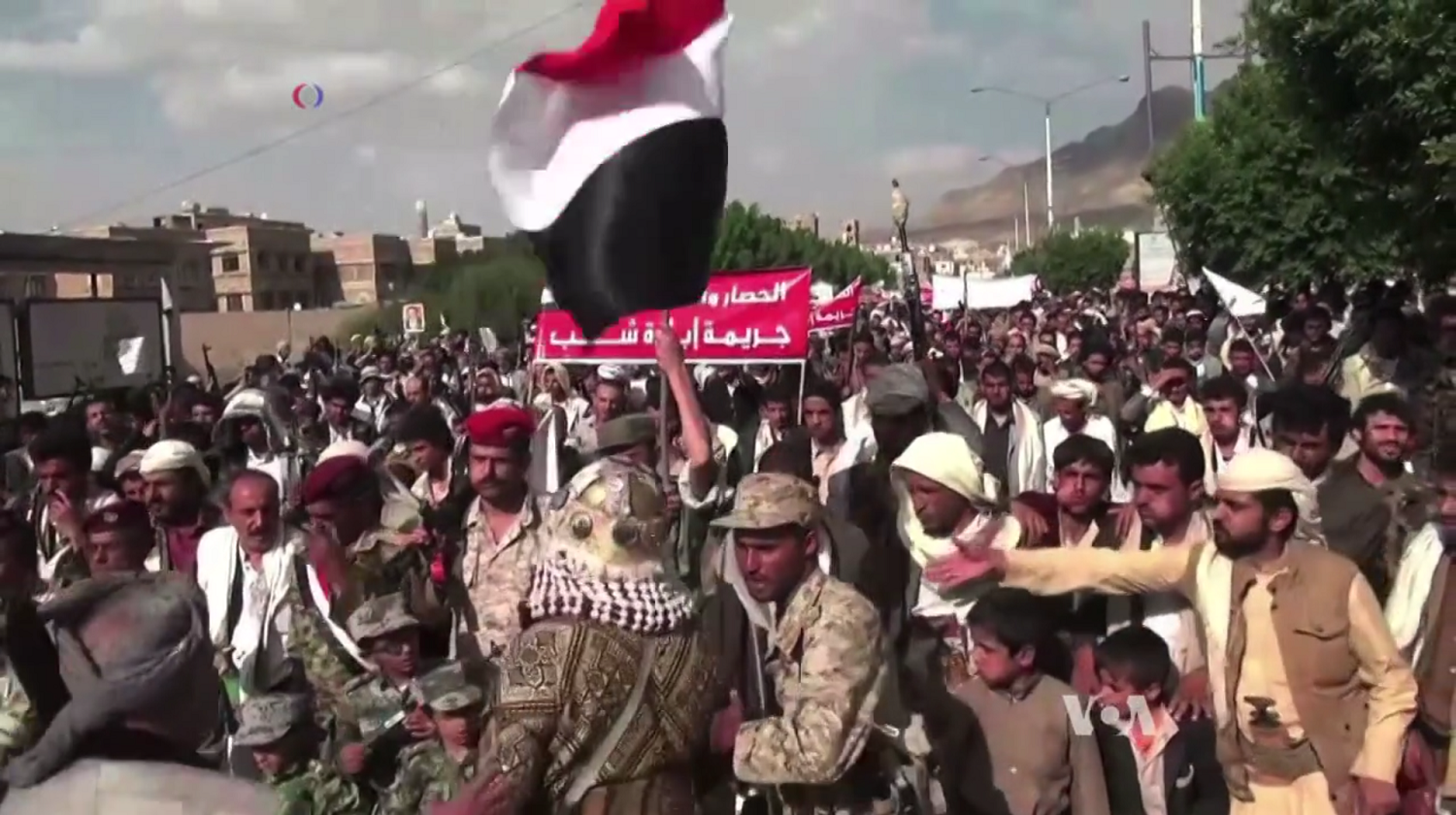
Hamas has entered the Saudi-Houthi crisis as a prospective mediator, adding an unusual Palestinian channel to one of the Middle East’s most dangerous wars. Mohammed al-Bukhaiti, a senior Ansarullah political official and governor of Dhamar, says the Houthi movement accepted Hamas’s mediation effort. That is a diplomatic opening, but it is only one side of the door: Saudi Arabia has not publicly accepted Hamas as mediator or agreed to terms for talks.
The announcement comes while military pressure continues. Alerts were reported in southwestern Saudi Arabia during what Houthi-linked sources described as a ballistic-missile attack. Separately, Al-Akhbar cited an unnamed Ansarullah source warning that Saudi bridges could become targets after strikes on Yemeni infrastructure. Because the source was not named and no formal target list was published, that report should be treated as a threat claim rather than an operational order.
Hamas has reasons to offer its services. It maintains political relationships across the region and can speak to Iranian-aligned actors while presenting itself as a movement with independent Palestinian interests. Ansarullah has wrapped much of its regional messaging in support for Gaza, making Hamas a symbolically credible interlocutor for Houthi leaders and supporters. A mediation role could also give Hamas diplomatic visibility beyond the Palestinian arena.
Yet its suitability is contested. Riyadh and several Arab governments view Hamas with deep suspicion, and Saudi authorities may prefer Oman, Qatar or a state-backed channel with enforcement capacity. A mediator needs more than access: it must transmit proposals, protect confidentiality, verify compliance and offer a face-saving way to stop fighting. Hamas can potentially facilitate messages, but it cannot by itself guarantee Saudi air-strike restraint or Houthi missile discipline.
Ansarullah’s acceptance may still be strategically useful. It lets the movement claim that it is open to peace while maintaining battlefield leverage. The Houthis can tell supporters that negotiations follow military gains, not surrender. Saudi Arabia, meanwhile, faces pressure on energy infrastructure, cities and air-defense stocks. Riyadh has incentives to explore a pause, but it will resist any framework that appears to legitimize Houthi control over newly captured territory without concessions.
The bridge warning underscores the stakes. Bridges are often dual-use infrastructure: they carry military logistics but also ambulances, food, workers and civilian traffic. Attacking them can slow troop movements, yet it can also fragment local economies and expand humanitarian harm. Saudi strikes on Yemeni roads, ports or power systems do not remove Ansarullah’s obligations to distinguish military objectives from civilian objects. Reciprocity is a political argument, not a legal exemption.
There are at least three possible outcomes. Hamas could become a quiet message carrier while Oman or Qatar handles formal negotiations. The initiative could produce a limited humanitarian or infrastructure ceasefire without settling Yemen’s territorial conflict. Or the offer could fail immediately because Saudi Arabia rejects the intermediary and both sides use the episode to blame the other for continued war.
Any durable arrangement must address more than cross-border fire. It would need rules for Saudi and Yemeni air operations, the Red Sea and Bab el-Mandeb, Houthi missile deployments, prisoner exchanges and the status of Saudi-backed Yemeni forces. A bilateral Saudi-Houthi pause could reduce regional attacks while leaving Yemen’s internal war unresolved.
Mediation can also fail through sequencing. Ansarullah may demand an end to airstrikes before halting missiles, while Riyadh may require verified launch suspensions first. A practical first step could be a short, geographically defined halt covering civilian infrastructure, monitored through open-source launch data and third-party reporting. Even that would be fragile. Neither side has yet published a timetable, verification mechanism or consequence for violations, so the current development is evidence of contact—not evidence that a ceasefire is near.
This remains a fast-moving story in which official statements, battlefield reporting and political messaging can diverge. Readers should distinguish confirmed actions from announced intentions, and revisit casualty, capability and timing claims as primary documents or independent evidence become available.
This remains a fast-moving story in which official statements, battlefield reporting and political messaging can diverge. Readers should distinguish confirmed actions from announced intentions, and revisit casualty, capability and timing claims as primary documents or independent evidence become available.
What to watch next
Watch for a Saudi response naming an accepted mediator, a pause in missile launches or airstrikes, and any Hamas delegation travel. Also monitor whether the bridge threat is repeated by an official military spokesman; that would materially raise its credibility.