Did a Houthi Drone Really Target Mecca? Pakistan Invokes Defense Pact as Iran Warns of a ‘False Flag’
Saudi Arabia says it intercepted a Houthi drone south of Mecca; the Houthis deny targeting the holy city, while Pakistan says its defense commitments now apply.
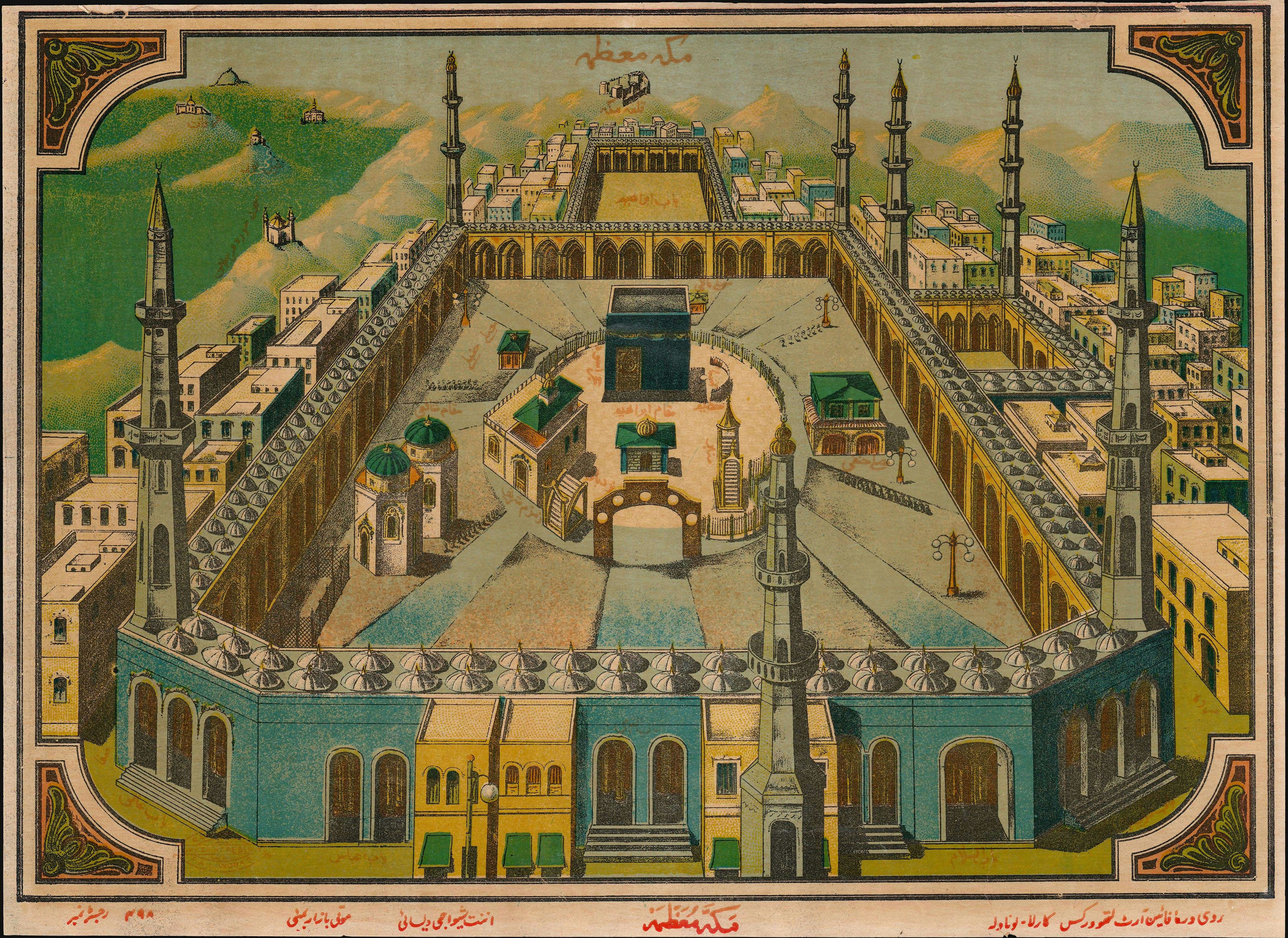
A drone intercepted south of Mecca has become more than a military incident. Saudi Arabia says the aircraft was launched by Yemen's Houthis toward Islam's holiest city. Ansarallah denies targeting Mecca. Iran says interception alone does not establish origin and warns against a possible false-flag narrative. Pakistan's defense minister now says the Makkah agreement should be implemented.
The emotional and strategic stakes are obvious. Nearly two billion Muslims regard Mecca as sacred, and an attack directed at the city would transform a regional war into a religious shock. It could mobilize governments and publics that have resisted entering the Yemen conflict. That is precisely why the evidence standard should rise rather than fall.
Saudi authorities report that air defenses destroyed the drone south of Mecca before it entered prohibited airspace. In a subsequent incident in Taif province, falling debris from an intercepted Houthi drone killed a Yemeni resident and injured a Saudi woman and a Pakistani man, according to Saudi Civil Defense. Those casualties confirm a real aerial threat in the wider region, but they do not by themselves prove the intended target of every drone.
Ansarallah spokesman Yahya Saree says the movement targets Saudi military bases and energy infrastructure, not sacred sites, and calls Riyadh's Mecca accusation a lie. The group has launched long-range drones and missiles across Saudi Arabia, so a Houthi origin is technically plausible. The unresolved questions are launch location, flight path, guidance, warhead, target coordinates and whether the aircraft malfunctioned or was redirected.
Iranian Foreign Ministry spokesman Esmaeil Baqaei has argued that an intercepted drone is insufficient evidence for attribution and warned of operations designed to inflame tensions among Muslim countries. That is a political allegation, not proof of a staged attack. Tehran benefits from casting doubt on Saudi claims, just as Riyadh benefits from framing the incident around protection of Mecca.
Pakistan's reaction changes the stakes. Defense Minister Khawaja Asif said the situation had reached the point where the Makkah agreement applies, adding that Pakistan would fulfill its duty and that protecting the holy sites would be an obligation even without a treaty. Pakistan's Foreign Office later affirmed commitment to the pact while withholding operational details.
Activation does not automatically mean Pakistani airstrikes in Yemen. Collective-defense agreements can produce intelligence sharing, air-defense deployments, training, naval patrols or diplomatic action. The pact's public procedures and thresholds remain underdeveloped. Saudi Arabia would likely need to define what assistance it requests, while Islamabad must consider parliament, domestic opinion and its relationship with Iran.
Pakistan has historical reasons for caution. It declined to join the Saudi-led Yemen intervention in 2015, fearing sectarian tension and regional blowback. It also has deep defense ties with Riyadh and strong public sensitivity to any threat against Mecca. The new allegation tests whether those positions can still coexist.
The phrase 'false flag' should not be used as a shortcut for unexplained evidence. A credible investigation could examine radar tracks, debris serial numbers, explosive residue, telemetry and satellite detections. Saudi Arabia may withhold some data to protect intelligence capabilities, but asking for verifiable evidence is not sympathy for the attacker. It is necessary when attribution could widen a war.
The Houthis' denial also cannot be accepted automatically. Armed groups have incentives to deny operations that create diplomatic costs. Iran's insistence that the movement acts independently complicates Tehran's simultaneous confidence about what it did not target. Competing official claims must therefore remain claims until supported by technical evidence.
The greatest danger is political momentum outrunning facts. Once an incident is defined as an attack on Mecca, leaders may find restraint harder even if later evidence is ambiguous. Conversely, reflexively dismissing every Saudi statement as fabrication could leave an actual escalation unanswered.
What to watch next
Will Saudi Arabia release radar data or identifiable wreckage? Can independent imagery establish the drone's route? What assistance will Pakistan actually provide under the pact? And will the Mecca claim become a bridge to collective defense—or a contested narrative that makes negotiation even more difficult?