Houthis Order Aden Airport Evacuated, Then Strike It—Was a Saudi Weapons Flight There?
Yemen’s government says missiles struck Aden airport after a Houthi evacuation warning, injuring civilians. A Saudi military aircraft was reportedly present and left unharmed; its cargo has not been independently confirmed.
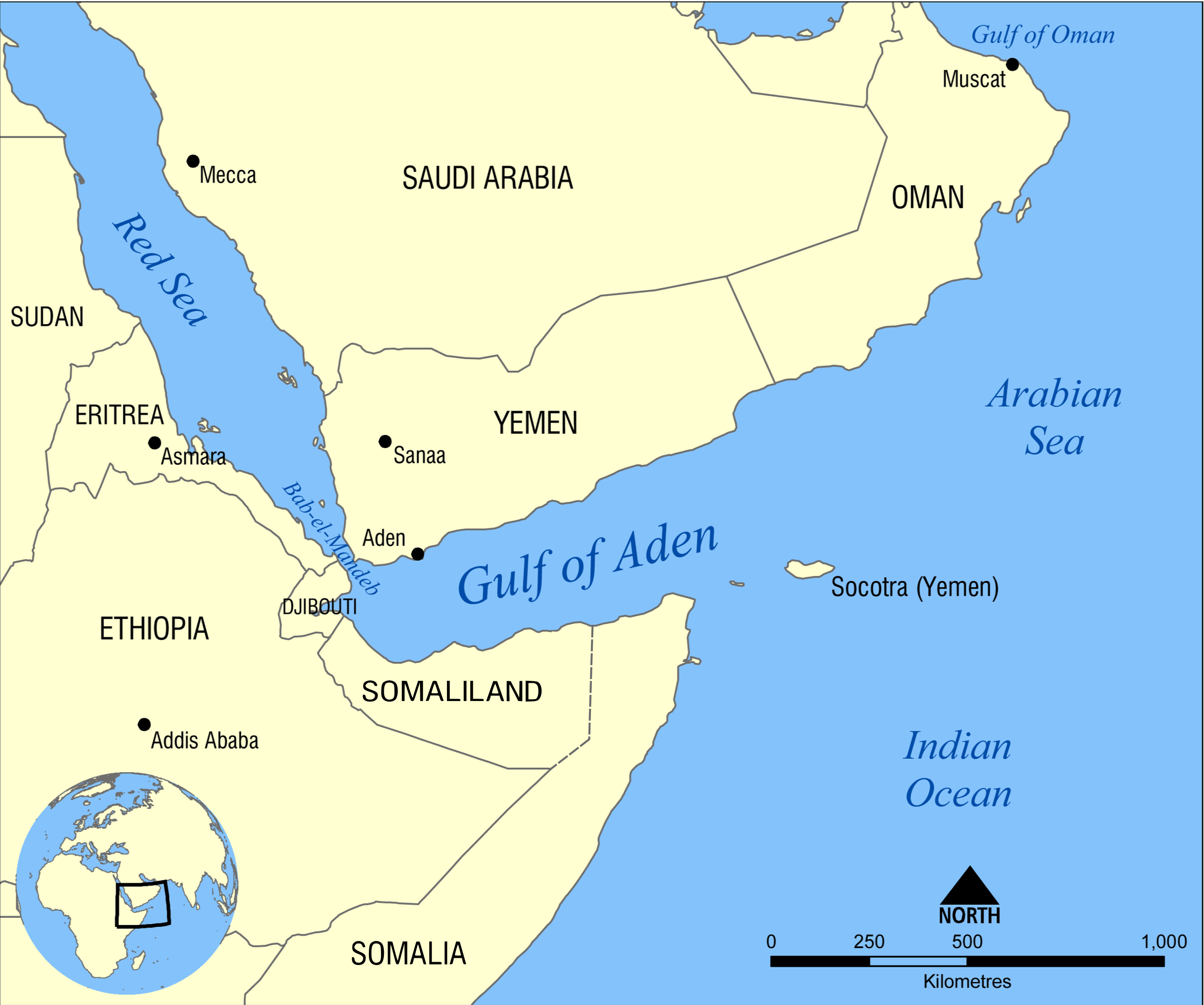
The Houthis ordered people to evacuate Aden International Airport, then missiles struck inside or near the airport perimeter, according to Yemeni government forces and local police sources. The attack caused civilian injuries and damage, and air traffic was halted. Houthi spokesman Yahya Saree said the warning was prompted by a Saudi military cargo aircraft delivering weapons. A police source said a Saudi aircraft was indeed at the airport, but it was not hit and took off shortly afterward. What it was carrying has not been independently confirmed.
What happened at the airport
The strike occurred on October 28 in Aden, the main gateway for the internationally recognized Yemeni government and a critical route for aid workers and supplies. The Houthis issued a warning calling for immediate evacuation because of the alleged Saudi aircraft. Residents reported explosions nearby. Yemeni government forces said missiles caused injuries and damage, while transport officials told Reuters that air traffic stopped.
The International Organization for Migration said its personnel were safe and accounted for. Aid sources said some UN staff left shortly before the attack and an aid flight had departed for Amman earlier that morning. These details reduce immediate uncertainty about aid personnel, but the airport’s closure disrupts access for humanitarian workers, medical supplies and civilians needing travel.
The Saudi aircraft claim
The Houthi account says the Saudi plane was delivering weapons. A local police source said an aircraft was present, was not hit and departed. Those reports support the aircraft’s presence, but they do not independently verify its cargo. Saudi authorities had not publicly commented at the time of reporting. Until cargo records, imagery or official confirmation appear, the weapons allegation must remain attributed to the Houthis.
The distinction matters because the claim is being used to justify an attack on civilian infrastructure. If a military aircraft was carrying weapons, that fact would be relevant to the military context. It would not automatically make the airport a safe or lawful target, especially where civilian passengers and aid operations are present. The proportionality and precautions taken would require separate examination.
Yemen’s conflict is widening again
The attack comes amid renewed fighting between the Houthis and the Saudi-backed government. The Houthis control Sanaa and much of northwestern Yemen; the internationally recognized government is based in Aden. A UN-brokered truce had largely reduced major attacks since 2022, but recent clashes and regional escalation have weakened that calm.
The Bab el-Mandeb Strait, near Yemen’s western coast, is one of the world’s most important shipping chokepoints. Any expansion of fighting near the coast can affect commercial traffic and aid delivery. The Houthis are aligned with Iran, and the attack sits within the wider US-Israel conflict with Tehran, but local power struggles and Saudi-Yemeni dynamics remain central. Explaining the event solely as an Iranian proxy action would miss the local conflict’s own drivers.
What should happen next?
The airport needs a clear safety assessment and an update on when flights can resume. Authorities should provide a verified account of damage, injuries and any military activity at the site. Humanitarian organizations need reliable access guarantees, while investigators should determine where the missiles landed and what systems were used.
Was the strike intended to disable a military supply route, or did the presence of a Saudi aircraft become a pretext to hit a vital civilian gateway? Without independent evidence of the cargo and the target, both claims remain open—and the immediate cost is borne by civilians who depend on the airport.
The wider question
The attack’s timing also matters for humanitarian operations. Aid agencies had to track staff movements, flight schedules and shelter instructions while the airport was under threat. The International Organization for Migration confirmed its personnel were safe, and aid sources said a flight left before the strike. That is a fortunate outcome, not proof that civilian traffic can safely continue. If Aden remains closed, supplies may need longer and more dangerous routes. The airport is both a transport hub and a potential military logistics site, making deconfliction difficult. Any party operating nearby should provide clear warnings and allow humanitarian movement; claims about weapons should be verified and not used to expose civilians to avoidable danger.