Houthis Close In on At Turbah
Ansarullah forces reportedly captured high ground south of At Turbah and pushed PLC units into counterattacks, threatening the final major supply route into Taizz.
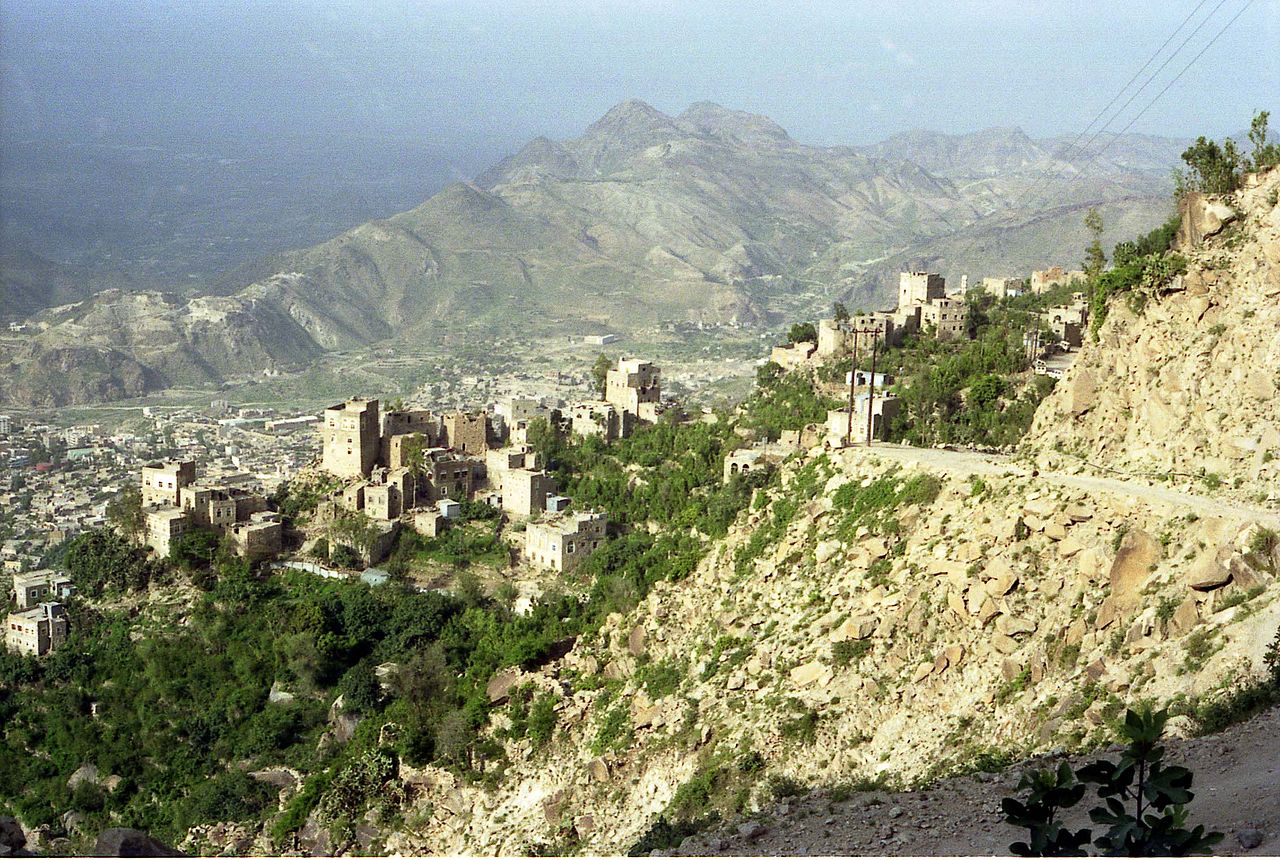
Ansarullah forces have reportedly made a rapid advance south of At Turbah in Yemen’s Taizz governorate, capturing high ground and pushing Saudi-backed Presidential Leadership Council units into emergency counterattacks. Some frontline reports place Houthi forces less than ten kilometers from the town’s southern approaches.
The reported gains include much of the Bani Omar heights, Jabal Jirdad, Jabal Rasin, Bani Muhammad, al-Ja’asha and Az Za’azi’. PLC-linked sources acknowledge Houthi presence around Az Zakirah, while initial reports say Jabal Muqarmah also fell. Control can change by the hour, so the entire list should be treated as a developing battlefield picture rather than a settled map.
Saudi airstrikes on Az Za’azi’ and Az Zakirah are indirect evidence that the coalition regards those locations as lost or penetrated. Air forces generally do not bomb positions confidently held by their own troops. The strikes do not prove full Houthi control, but they reinforce reports of a serious breach.
At Turbah matters because it sits on the remaining logistics network connecting anti-Houthi areas with Taizz and the south. If Ansarullah can dominate nearby heights with artillery and drones, it may interdict the road without occupying every settlement. Fire control can be strategically equivalent to a roadblock.
Open-source maps suggest only about 10.5 kilometers may separate Houthi western and eastern flanks if gains around Az Zakirah are consolidated. Closing that gap could tighten pressure on PLC positions and complicate reinforcement. The map geometry is compelling, but mountain warfare rarely follows straight lines; valleys, tracks and defensible ridges determine actual movement.
PLC forces are reportedly counterattacking, described by hostile sources as “desperate.” That adjective is propaganda, but the operational need is clear. Losing At Turbah would threaten Taizz’s final supply route and further damage the credibility of the Saudi-backed coalition after reversals on the Red Sea coast.
Ansarullah still faces risks. Rapid advances can outrun logistics, expose columns to aircraft and create vulnerable salients. Saudi air power remains capable of destroying fixed positions, while local anti-Houthi fighters know the terrain. A tactical breakthrough can stall if defenders reorganize around the town.
Civilians again face displacement, road closures and food-price shocks. Taizz has endured years of siege and fragmented control. Even a militarily limited change can have an outsized humanitarian effect if it cuts commercial traffic.
The terminology also matters. Ansarullah is the movement’s preferred name; “Houthis” is the internationally common label. The PLC is not a single coherent army but an umbrella of factions with different patrons. Reports of a “collapse” may describe one formation withdrawing rather than the disappearance of every anti-Houthi unit in the sector.
At Turbah matters because roads and heights determine whether forces can sustain an advance. Capturing a village is less decisive than controlling junctions, ridgelines and the route by which ammunition, fuel and reinforcements reach Ta’izz. The reported narrowing between Houthi eastern and western flanks would increase pressure on the remaining corridor, but terrain can slow consolidation and expose attackers to airstrikes.
Saudi air attacks near newly claimed Houthi positions can support the inference that fighting has shifted, yet they do not independently prove permanent control. Aircraft may strike suspected assembly areas, roads or launch sites outside a captured settlement. Likewise, a PLC acknowledgment of contact does not reveal whether units withdrew deliberately, collapsed or are preparing a counterattack.
The battle’s political stakes extend to southern factions. PLC-aligned groups, separatist formations and local brigades have different loyalties and command structures. A military setback can intensify blame over ghost soldiers, withheld air cover or Saudi interference. Ansarullah benefits when its opponents fight as a coalition on paper but respond as disconnected units in the field.
Even if At Turbah is isolated, taking and holding it would require forces to move through populated terrain and maintain supply under Saudi air attack. Civilian flight, damage to roads and local tribal decisions can alter the battle faster than map arrows suggest. Claims of total collapse should therefore wait for durable, geolocated evidence.
What to watch next
Watch verified imagery from Az Zakirah and Jabal Muqarmah, movement on the At Turbah road, Saudi strike intensity and PLC reinforcements. The decisive question is whether the Houthis can connect and hold their flanks—or whether airstrikes and counterattacks turn a dramatic advance into an exposed overextension.