Fire Breaks Out at HPCL Refinery in India—What We Know About the Visakhapatnam Incident
A fire at a sulphur-pitch storage area at HPCL’s Visakhapatnam facility was brought under control within about an hour. Officials reported no injuries; the cause is under inquiry.
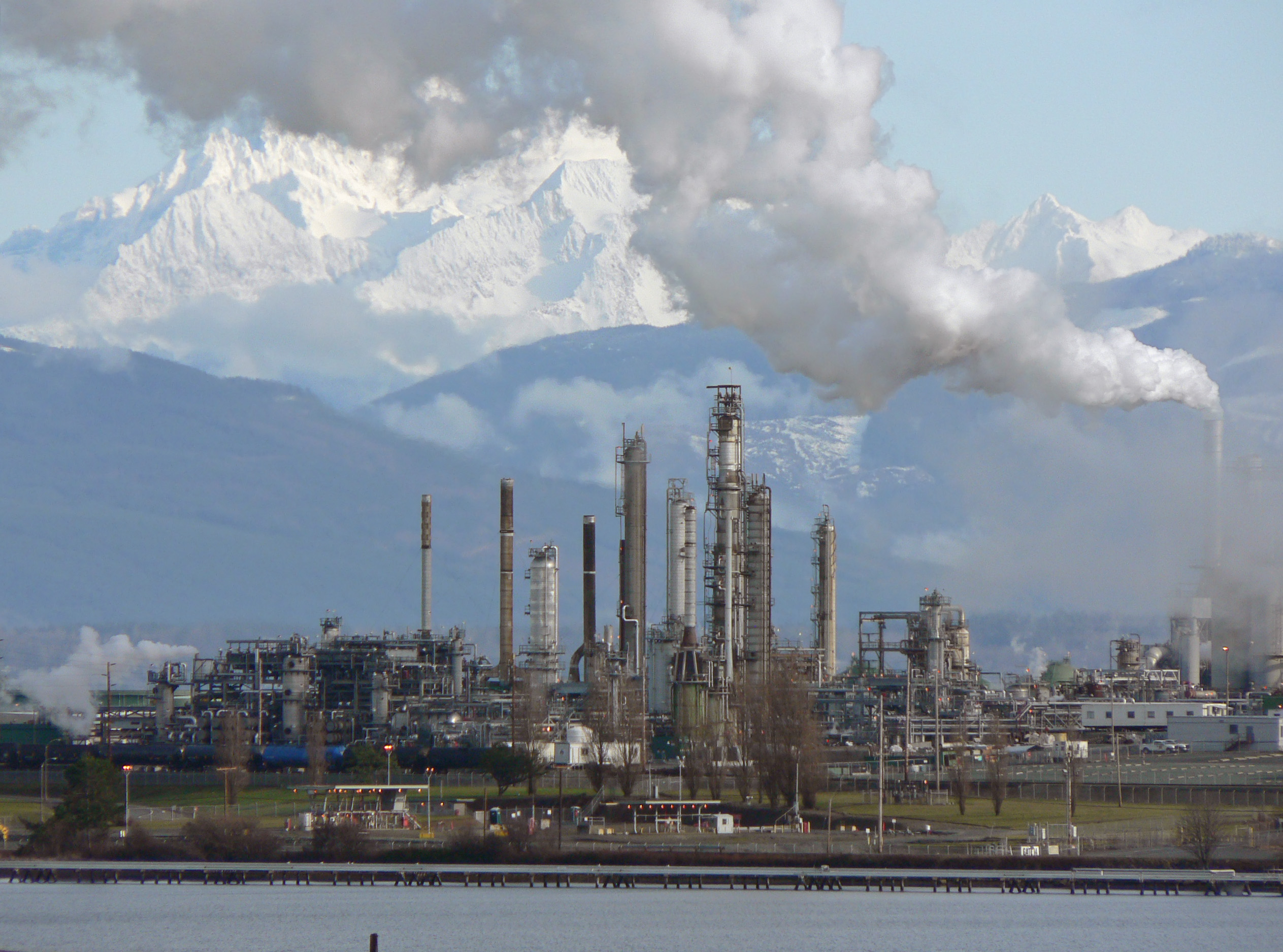
A fire broke out late Monday at Hindustan Petroleum Corporation Limited’s facility in Visakhapatnam, India, drawing dramatic images of flames and smoke across social media. Local police said the blaze was brought under control within about an hour and that no one was injured. Subsequent reports said the fire was localized to a pitch or sulphur-product storage area, while the rest of the refinery’s units continued to operate safely.
The cause has not been conclusively established. Early reports used terms such as “explosion” and described a major fire, but officials later emphasized that the incident was contained. HPCL said its fire and safety team responded quickly. Authorities have said an inquiry will examine the circumstances and safety procedures.
A refinery incident, not yet a full explanation
Refineries handle flammable fuels, gases and industrial by-products, so a fire in a storage area can look alarming even when the incident is localized. The smoke and flames visible in videos do not by themselves reveal what material burned, whether equipment was damaged or whether production was affected. Those facts require information from the company and investigators.
The difference between an isolated storage-tank fire and a wider refinery emergency is important for nearby residents and energy markets. Available reports indicate no casualties and no major disruption to other units, but the investigation may establish more about the cause and damage.
Safety and transparency
Industrial sites are expected to have emergency response plans, fire-control systems and procedures for isolating affected equipment. An inquiry should clarify whether those systems worked as intended, whether maintenance played a role and whether the event exposed a broader risk. Until investigators publish findings, assigning blame would be premature.
For communities living near major industrial facilities, timely information matters. Clear updates can reduce panic and help residents distinguish a contained incident from a continuing hazard. Companies also have a responsibility to explain what happened in terms the public can understand.
Visakhapatnam is a major industrial and port city, so even a localized event can alarm nearby residents and disrupt confidence in the facility. The rapid containment and absence of reported injuries are important, but they should not substitute for a transparent investigation. A clear account of the product involved, response time and inspection findings would help distinguish a well-managed incident from a near miss that points to risks requiring correction.
Investigators will also need to clarify whether a technical defect, an operating error or an external trigger caused the fire. These possibilities require different corrective actions. A tank can be designed to contain a product safely, but inspection intervals, temperature control, electrical protection and emergency drills all shape the risk. If the fire was limited by existing safeguards, that should be documented. If safeguards failed, the inquiry should say so. The absence of casualties is reassuring, but it does not answer whether workers or nearby residents faced avoidable danger.
Was this a one-off equipment failure or a warning about maintenance and process safety? What material was involved, and what damage did the fire cause? And when will HPCL or investigators release enough detail for those questions to be answered?