Diesel Panic: The IEA Tells the World to Pump More
The IEA urged members with spare capacity to increase crude output and refinery runs as the global diesel market tightens.
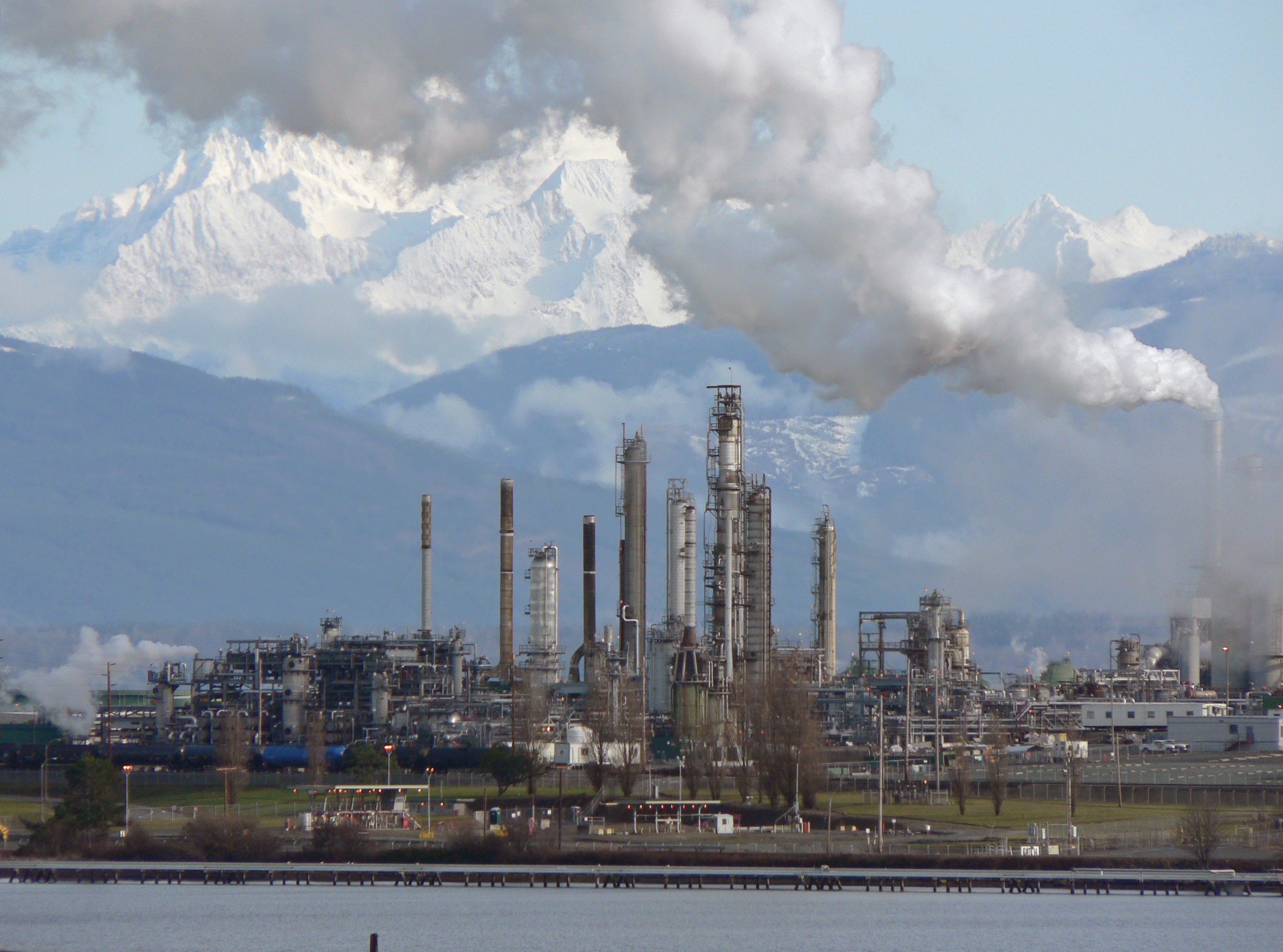
The International Energy Agency is asking countries to produce more oil and run refineries harder, with one fuel at the center of the emergency: diesel. The appeal is an unusually direct acknowledgment that releasing strategic reserves cannot permanently repair a market short of refining capacity and reliable product flows.
What happened
The IEA Governing Board encouraged members holding spare crude-production and refining capacity to boost supplies of oil and refined products, particularly diesel. It will review the emergency stock action launched in March and report to G7 leaders on whether further measures are required.
IEA members still hold roughly 1.1 billion barrels of public emergency stocks, including more than 200 million barrels of diesel. Middle Eastern disruptions, refinery outages and Ukrainian strikes on Russian plants have tightened product availability.
Why it matters
Crude oil and diesel are not interchangeable. A country can have barrels of crude but lack the specific refinery units, feedstock quality or logistics needed to make low-sulphur diesel. Running plants harder can also raise accident and maintenance risks.
Diesel powers trucks, farms, construction, industry and backup generators. Its cost spreads rapidly through food and consumer prices, making it politically explosive.
The statement shifts emphasis from emergency release to physical production. That is sensible but slow. Producers need incentives, refineries need safe operating margins and some damaged facilities require months to repair. Environmental rules and planned maintenance cannot simply be suspended without consequences.
The appeal also exposes how governments reduced resilience while assuming trade would always fill gaps. Diversifying suppliers is not the same as maintaining spare refining capacity and product stocks.
How to read the signal
The essential discipline in reading “Diesel Panic: The IEA Tells the World to Pump More” is to separate the documented event from the larger story attached to it. A launch, deployment, court appearance, economic announcement or military image can be genuine while its cause, scale and strategic meaning remain disputed. Early certainty is often a warning sign rather than proof.
Incentives matter. Governments seek deterrence, reassurance and political advantage. Armed groups advertise reach while minimizing responsibility. Companies emphasize spectacle or commercial progress. Critics select the details that support a wider argument. The clearest account compares official statements with independent reporting, technical evidence and observable implementation.
Timing creates another source of error. Initial reports may contain incomplete casualty totals, confused locations or claims made before investigators reach the scene. Later imagery can identify a building, revise a number or show that old footage has been recycled. Responsible reporting remains updateable rather than freezing the first viral version into history.
The practical test is what happens next. Production schedules, trade flows, satellite images, court filings, flight notices, military movements and market prices reveal whether a headline marks a lasting change. Rhetoric can move public opinion immediately, but measurable conduct determines who gained leverage and who absorbed the cost.
A cautious conclusion is not an evasive one. It identifies what the evidence establishes, what remains an allegation and what would settle the dispute. That method allows serious risks to be discussed without converting a politically useful or visually dramatic claim into fact.
Readers should also resist false binaries. An official account can contain accurate facts and strategic omissions; a critic can identify a genuine problem while exaggerating its scale. Confidence should rise when independent evidence converges and fall when a claim depends on one anonymous source, cropped clip or unexplained image.
Verification and competing accounts
The IEA Governing Board’s official statement encouraged members with available production and refining capacity to raise supply, particularly diesel. It was a coordinated policy appeal, not a compulsory quota. Sources used for this report include International Energy Agency, G7 statements, Reuters, US Energy Information Administration, oil-market reporting. Claims from belligerents, anonymous officials and viral posts are attributed rather than converted into established fact. Figures and operational details may change as authorities release evidence or corrections.
The IEA did not order every member to maximize fossil-fuel production indefinitely. The request targets available near-term capacity during a crisis. More crude supply alone may not lower diesel prices if the bottleneck remains refining or shipping.
What to watch next
Watch refinery utilization, diesel crack spreads, emergency-stock releases and export restrictions. A sustained fall in wholesale diesel—not merely crude—will show whether the intervention is working.