India’s Independence Day Flex: 7–8 New Chip Plants, Five Nuclear Reactors and a Strategic Friendship With Russia
Narendra Modi used India’s Independence Day to announce a major industrial push: seven to eight additional semiconductor facilities and five nuclear reactors this decade. Putin simultaneously reaffirmed Russia’s strategic partnership with India, while Dubai’s Burj Khalifa marked the holiday in India’s tricolour.
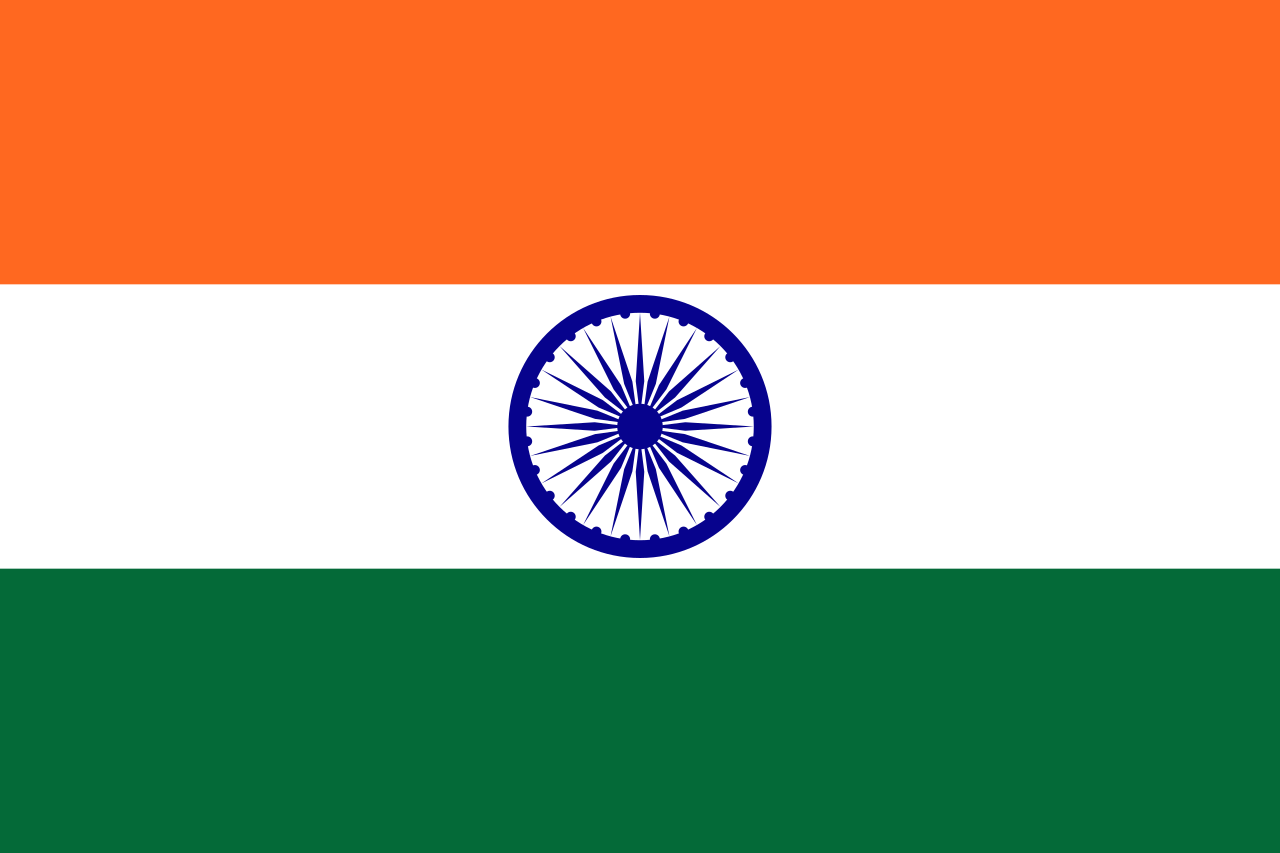
India used Independence Day to deliver a message that was economic, technological and geopolitical at the same time: it intends to become much harder to pressure from outside.
Prime Minister Narendra Modi announced plans for roughly seven to eight additional semiconductor facilities as part of India’s drive to build a domestic chip industry.
He also outlined a major nuclear expansion, including five reactors expected to become operational within the current decade and a long-term goal of reaching 100 gigawatts of nuclear power by 2047.
Both announcements fit the same strategic idea.
India wants industrial autonomy.
Semiconductors are the foundation of almost every modern technology sector.
Cars, phones, data centres, missiles, satellites, artificial intelligence systems and industrial equipment all depend on chips.
India has enormous software and engineering capacity.
It has historically lacked comparable semiconductor manufacturing.
That imbalance became impossible to ignore after pandemic-era supply-chain disruptions and the growing U.S.-China technology conflict.
Modi says India is now moving from dependency toward domestic production.
Several semiconductor plants are already being constructed or entering production.
The next seven or eight facilities would expand that ecosystem.
The challenge is that semiconductor independence cannot be created simply by announcing factories.
Chipmaking requires highly specialised equipment, chemicals, clean water, precision engineering and experienced technical staff.
India will still rely heavily on foreign technology and international partners.
The strategic goal is not complete autarky.
It is reducing the risk that one foreign government or supply shock can stop critical industries.
Nuclear energy serves a similar purpose.
India’s electricity demand is growing rapidly.
Coal remains a huge part of the power system.
Renewables are expanding quickly but require storage, grid upgrades and backup capacity.
Nuclear power provides large volumes of low-carbon electricity around the clock.
India currently has far less nuclear capacity than the 100-gigawatt target.
Reaching that level by 2047 would require an enormous acceleration in construction.
The five-reactor target this decade is therefore an early step rather than the destination.
The plan also connects energy security to foreign policy.
India has refused to choose cleanly between Western countries and Russia.
Despite intense pressure after the Ukraine war, New Delhi continued buying Russian oil and maintaining defence and nuclear cooperation with Moscow.
President Vladimir Putin used India’s Independence Day to reaffirm that relationship.
Russian statements described India as a highly privileged strategic partner and promised continued expansion of cooperation.
For Moscow, India is economically and diplomatically essential.
Russia needs large non-Western markets, political partners and technology relationships.
For India, Russia remains useful as a defence supplier, energy source and geopolitical counterweight.
New Delhi simultaneously deepens ties with the United States, Japan, Europe and Gulf states.
That balancing strategy frustrates governments that want India to join one geopolitical camp.
India argues that strategic autonomy is the point.
The visual symbolism extended beyond New Delhi.
Dubai’s Burj Khalifa was illuminated in the Indian tricolour for Independence Day, continuing a tradition reflecting the deep ties between India and the United Arab Emirates.
Millions of Indians live and work in the Gulf.
India-UAE trade, investment and political cooperation have grown sharply.
That creates an interesting triangle.
India is building closer ties with Washington.
It buys energy and weapons from Russia.
It is deeply integrated with Gulf economies.
It cooperates with Israel.
It maintains dialogue with Iran.
Rather than choosing one bloc, New Delhi is trying to make itself indispensable to several.
The semiconductor and nuclear announcements are important because economic strength makes that foreign-policy autonomy more credible.
A country dependent on imported chips, imported energy and imported weapons has less room to ignore pressure from suppliers.
A country able to produce more of those inputs itself has more choices.
There are obvious obstacles.
Semiconductor factories are extraordinarily expensive.
Global chipmakers can delay projects if economics are weak.
Nuclear plants routinely face cost overruns and long construction schedules.
India must also modernise grids, train workers and build domestic supply chains.
The announcements therefore represent ambition, not completed capacity.
But ambition at India’s scale matters.
The country is now the world’s most populous major economy and one of the fastest-growing large markets.
Even partial success can shift global manufacturing patterns.
That is why Independence Day rhetoric about self-reliance is no longer simply domestic political branding.
It is becoming a geopolitical strategy.
The open question is whether India can execute quickly enough to turn new fabs and nuclear reactors into genuine strategic independence—or whether the country discovers that the technologies needed to escape global dependence are themselves built through international networks no major economy can fully control.