The Interceptor Problem: When Million-Dollar Missiles Chase Cheap Drones
Gulf states are racing to secure interceptors as stocks thin. The deeper issue is structural: expensive defensive shots versus mass-produced attackers.
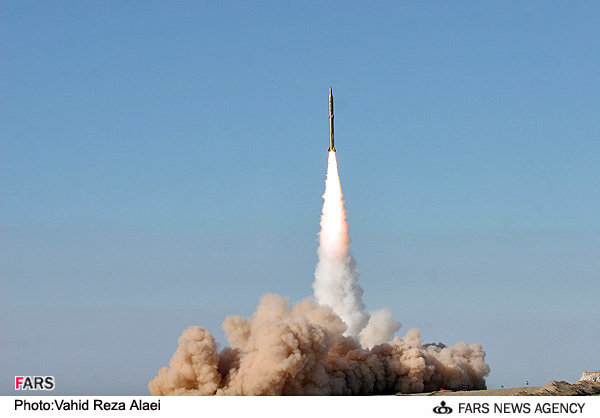
A defining feature of this conflict is the cost-exchange mismatch. Iran can deploy large numbers of drones and missiles; defenders respond with high-end interceptors that are costly to manufacture and hard to replenish quickly. The Financial Times reports Gulf states are anxious over interceptor shortages and are negotiating resupply for Patriot/THAAD-type systems, with production constraints already stressed by other conflicts. (https://www.ft.com/content/9353bcc0-ae95-48a3-bc6b-0a7b2f643a2a)
The Wall Street Journal has similarly highlighted concerns about munitions and interceptor availability, framing the U.S. as racing to achieve objectives before critical stocks tighten further. (https://www.wsj.com/world/middle-east/u-s-races-to-accomplish-iran-mission-before-munitions-run-out-c014acbc) ABC News' reporting echoes the "war of attrition" dynamic—where the contest becomes not only tactical performance but industrial stamina. (https://abcnews.go.com/Politics/war-iran-stretches-experts-raise-concerns-war-attrition/story?id=130719578)
This isn't merely a battlefield issue; it's an alliance issue. If Gulf states feel they cannot get timely resupply, they have incentives to reduce exposure—limiting support, restricting basing, or pressing for de-escalation on terms that may diverge from Washington's. Meanwhile, other theaters (like Ukraine, or East Asia deterrence) compete for the same inventories, turning a regional war into a global allocation problem.
The strategic irony: air defense success can accelerate air defense depletion. Shooting down incoming threats is necessary—but doing it at scale reveals "magazine depth" limits. In that environment, adversaries don't need perfect accuracy. They need persistence.