Iran Threatens ‘Not One Drop of Oil’ if Gulf Neighbors Join Trump’s Economic War
Iran’s security chief Mohsen Rezaei says neighboring states that join Donald Trump’s economic campaign will be treated as enemies and could see their oil routes targeted. Is this deterrence against sanctions—or a threat to punish the global economy?
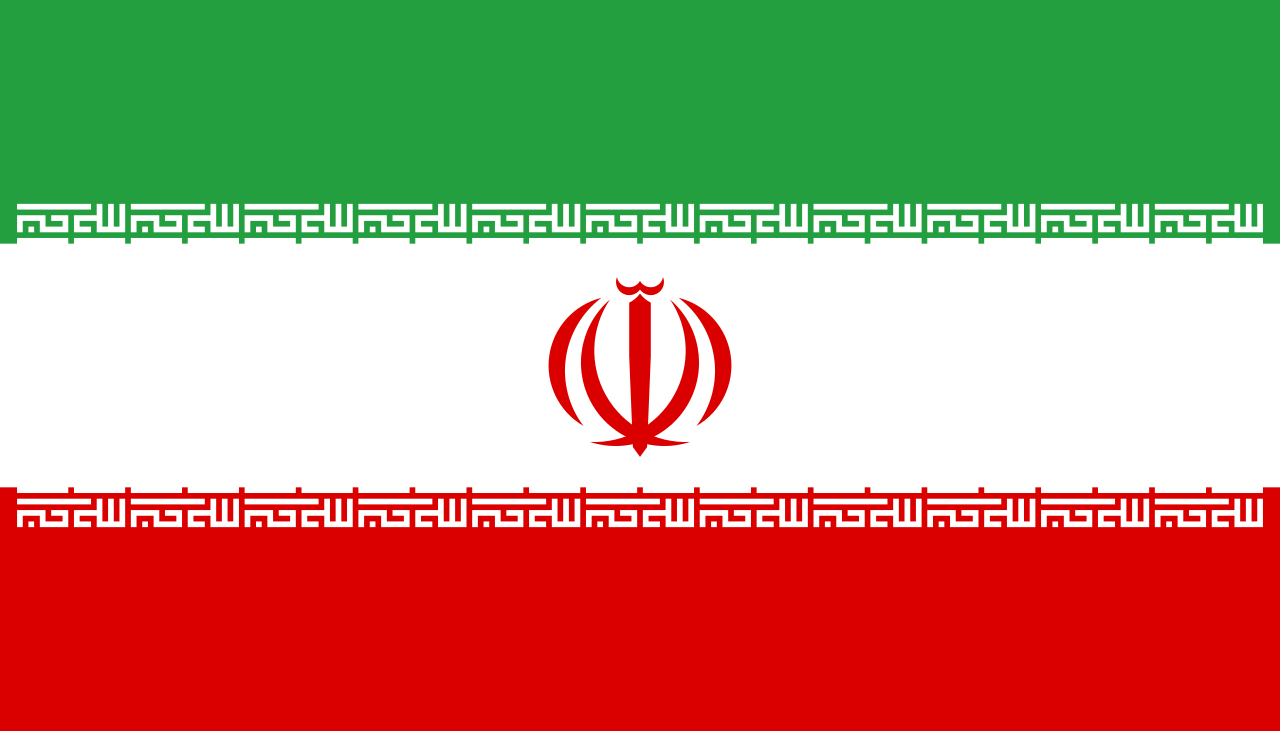
Iran’s new security chief has drawn a red line around Donald Trump’s economic campaign: neighboring states that help Washington, Mohsen Rezaei says, will be treated as enemies—and their oil may no longer move safely.
The most viral version of the warning is absolute: not one drop of oil will pass through the Persian Gulf if a neighboring country joins the U.S. economic war. Associated Press reporting gives the threat a wider strategic meaning. Rezaei warned that Iran could target oil-shipping routes beyond the Strait of Hormuz, expanding pressure toward alternative export channels if regional governments participate in American measures.
This is a threat, not yet a documented operational order.
The distinction matters because rhetoric is doing several jobs at once.
First, Tehran is trying to deter Gulf states from helping Washington enforce sanctions, financial isolation or maritime controls. Iran’s conventional economic position is weak under blockade and sanctions. Its geographic capacity to disrupt energy traffic is much stronger. Rezaei is converting vulnerability into leverage: if Iran cannot sell oil, it may make it difficult for its neighbors to sell theirs.
Second, the warning seeks to divide the U.S. coalition. Gulf governments rely on American security relationships but also live within range of Iranian missiles and drones. By making economic cooperation a potential trigger for retaliation, Tehran raises the domestic cost of alignment with Washington.
Third, the statement speaks to an Iranian audience. Trump described his new campaign as crushing economic warfare. Rezaei’s answer presents Iran as capable of imposing symmetrical pain rather than passively absorbing sanctions.
But is the threat strategically credible?
Iran has already demonstrated the capacity to disrupt shipping around Hormuz and threaten regional energy infrastructure. It does not need to close every route physically. A few successful attacks can raise insurance costs, slow traffic and force naval deployments. Markets price probability, not only confirmed destruction.
Expanding attacks beyond Hormuz would nevertheless be a major gamble. Targeting Saudi, Emirati, Iraqi or other regional exports could turn cautious neighbors into active military opponents. It could also damage countries that are trying to mediate between Tehran and Washington. China and other major buyers of Gulf energy would face higher costs, potentially reducing diplomatic sympathy for Iran.
There is a legal and moral problem too. Economic participation in U.S. sanctions does not automatically make civilian tankers, ports or energy workers lawful military targets. Tehran may describe economic warfare as aggression, but international humanitarian law does not allow every contributor to an adversary’s economy to be attacked.
Washington’s strategy raises its own questions. Trump is openly promising severe economic pain to force Iranian concessions. Supporters argue that financial pressure is preferable to large-scale bombing. Critics answer that sanctions and blockades can produce civilian suffering, invite retaliation and become a form of warfare without a clear off-ramp.
The two strategies now feed each other. The United States tries to make Iranian trade impossible. Iran threatens to make regional trade unsafe. Each side says the other began the economic escalation. Neither explains how energy traffic returns to normal without appearing to surrender.
Gulf states face the hardest calculation. Refusing U.S. measures could weaken their security partnership with Washington. Joining them could invite Iranian retaliation. Quiet compliance, exemptions and deniable cooperation may appear attractive, but ambiguity can also produce miscalculation if Tehran acts on incomplete intelligence.
Iraq’s newly negotiated permission for several tankers to pass Hormuz shows one possible path: bilateral exemptions. Yet a world of exemptions is also a world in which Iran decides who may trade. Alternative pipelines through Saudi Arabia, the UAE, Turkey, Syria or Jordan reduce dependence on the strait but cannot immediately replace its scale.
What should readers conclude from the phrase not one drop?
Not that all Gulf oil has stopped. Not that a regional attack is inevitable. The responsible conclusion is that Iran has publicly connected participation in U.S. economic pressure to possible attacks on neighboring economic interests.
That linkage is itself an escalation.
Will the warning frighten governments away from Trump’s campaign, or convince them that only stronger collective action can contain Iran? And if Tehran attacks neutral energy infrastructure, will it preserve its deterrence—or destroy the regional restraint on which its own survival depends?
What to watch next
The warning becomes operational if Iran names specific states, companies, ports or pipelines, or moves forces toward routes outside Hormuz. Gulf governments may respond through quiet exemptions rather than public defiance. Insurance notices and naval deployments could reveal escalation before political leaders acknowledge it.