Iran’s Jordan Strike Damaged Nine U.S. Warplanes—But the Viral ‘Severe Losses’ Claim Hides a Crucial Detail
CBS reporting says an Iranian missile badly damaged one A-10 and caused minor damage to eight F-15s at Muwaffaq Salti Air Base. The strike exposed vulnerability, but most aircraft reportedly returned to service.
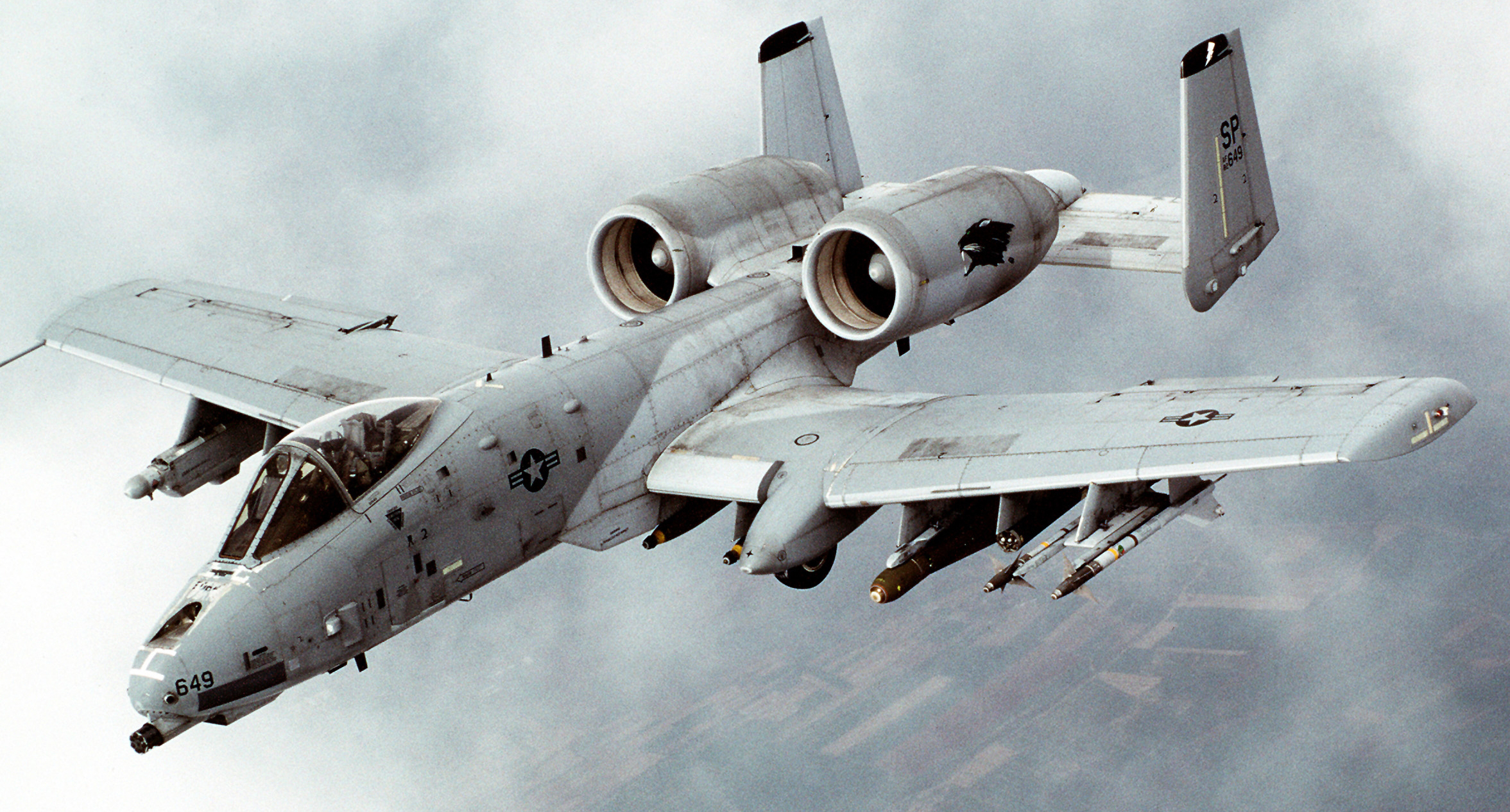
Iran's ballistic-missile attack on Muwaffaq Salti Air Base in Jordan did something Tehran has repeatedly claimed and Washington has often minimized: it damaged American combat aircraft. But the details matter. The strongest available reporting describes one serious aircraft loss and eight comparatively minor hits—not nine destroyed warplanes.
CBS News, as summarized by Reuters, reported that an A-10 Thunderbolt II sustained significant damage and lost a wing. About eight F-15 Strike Eagles were also damaged, but the damage was described as minor and the aircraft returned to service. That is militarily meaningful without being the catastrophic result suggested by some headlines.
The A-10 is a close-air-support aircraft designed around a powerful cannon and heavily armored cockpit. A lost wing could make repair uneconomic depending on airframe damage and parts availability. The F-15E Strike Eagle is a more valuable multirole platform used for long-range precision attacks. Even temporary damage to eight aircraft can interrupt sorties, strain maintenance crews and force dispersal.
Yet “damaged” covers a vast range. Shrapnel can puncture a skin panel, break sensors or damage landing gear without destroying an aircraft. Blast pressure and debris can require inspections before flight. Satellite imagery, repair records or official loss classifications would be needed to distinguish cosmetic damage from mission-killing hits.
The attack raises a more important strategic question: how did a missile reach a parking area holding multiple aircraft? Jordan said it intercepted most projectiles in the broader wave. Air defenses are never perfect, particularly against salvos, maneuvering warheads or debris. Defenders must decide which tracks threaten populated areas, command centers, fuel storage or aircraft, while attackers need only one successful penetration to create damage.
Iran will present the strike as proof that regional U.S. bases are vulnerable. That supports Tehran's deterrence message after American attacks on Iranian launchers, ships and energy-linked targets. It may also reassure domestic audiences that retaliation is producing visible results despite heavy interception rates.
Washington has incentives to emphasize resilience. If the F-15s returned quickly, the operational effect was limited. Acknowledging damage while showing continued sorties can demonstrate that Iran cannot close the base. At the same time, excessive minimization would undermine credibility when independent reporting and imagery reveal losses.
Jordan faces the hardest political problem. It hosts U.S. forces and intercepts projectiles, yet it says it does not want to become a battlefield. Iranian officials argue that bases and airspace used by the United States make Jordan part of the conflict. Amman answers that attacks on its territory violate sovereignty regardless of the target. Civilians near the flight path bear risks from both direct impacts and falling interceptors.
The damage will likely accelerate force-protection measures: dispersing aircraft, reinforcing shelters, moving valuable platforms, adding decoys and altering sortie schedules. Those adaptations are expensive and can reduce operational tempo even when attacks cause few casualties. Iran may therefore measure success not only in destroyed jets but in the resources required to protect them.
There is also a signaling danger. A strike that kills no Americans can be interpreted as calibrated. A nearly identical salvo could hit a barracks or fuel farm and produce mass casualties. Leaders may then feel compelled to retaliate at a scale that triggers another Iranian response. Technical variance can become political escalation.
Neither side's propaganda should replace the repair ledger. Iran may count every shrapnel mark as a disabled aircraft. U.S. officials may describe a jet as returned to service without disclosing reduced capability or future overhaul. The best evidence will come from imagery, flight tracking, contracting notices and later budget documents.
Aircraft placement is another unresolved issue. Concentrating jets simplifies fueling, weapons loading and maintenance, but it gives a missile's fragments more targets. Hardened shelters reduce that risk yet are costly and may be limited at expeditionary bases. Dispersal across multiple airfields protects the fleet but demands more tankers, technicians and security. The Jordan strike may therefore impose a lasting operational tax even if only one aircraft is ultimately written off.
That tax will matter in every future sortie calculation.
What to watch next
Watch whether the A-10 is written off, how quickly all eight F-15s resume normal missions, whether aircraft are dispersed from Muwaffaq Salti, and whether Jordan changes its rules of engagement. Did Iran discover a repeatable weakness or benefit from a single lucky penetration? Will Washington retaliate for equipment damage even without casualties? And can Jordan keep hosting U.S. forces while persuading Tehran that Jordan itself is not a combatant?