Iran Says It Has Tightened Control of Hormuz: Can Tehran Really Decide Who Passes?
Iranian officials say new systems and surveillance have strengthened their control over the Strait of Hormuz. The claim arrives amid mine reports, naval restrictions and continuing disputes over freedom of passage.
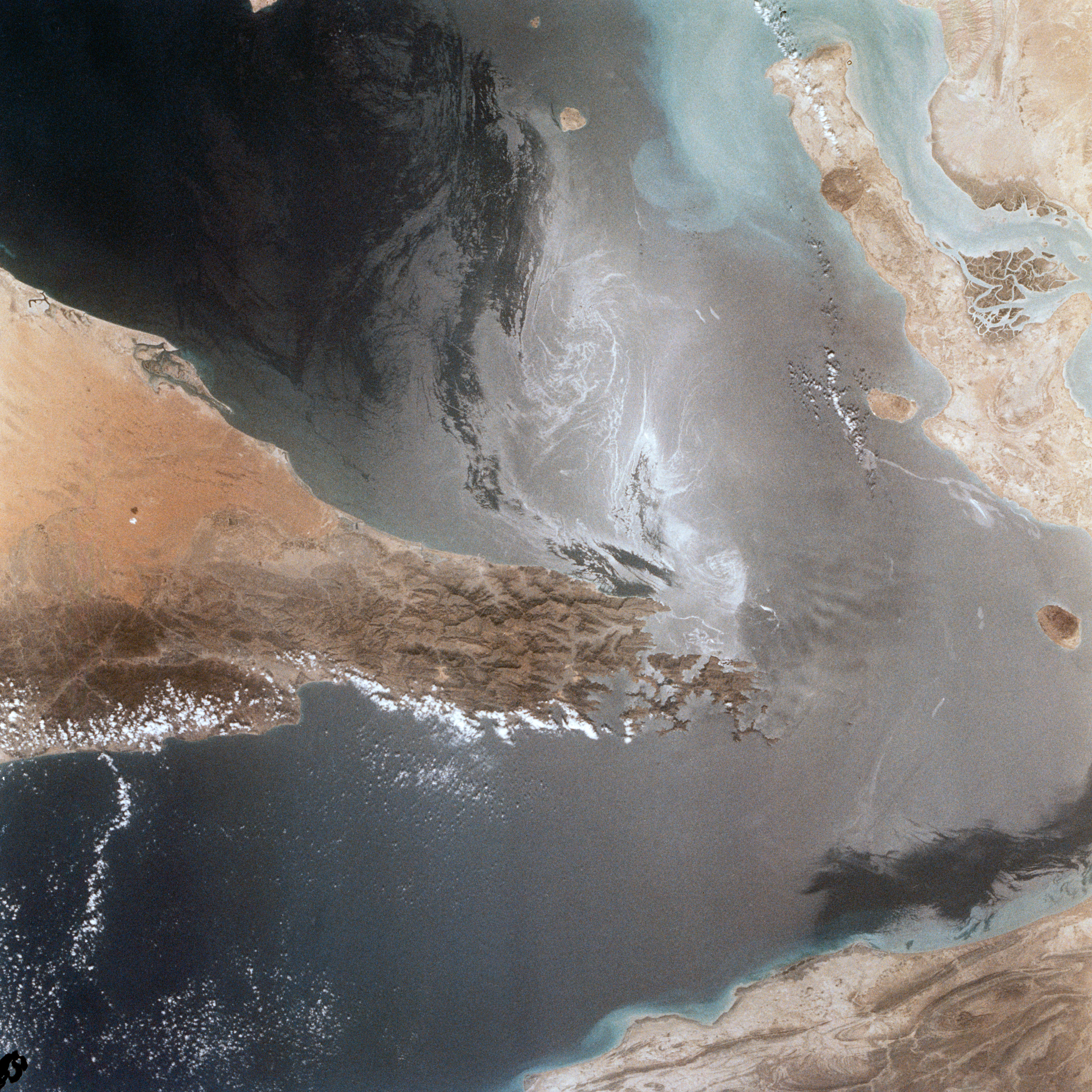
Iran says it has tightened its control over the Strait of Hormuz, a claim with immediate consequences for energy markets and maritime security. Iranian military officials have described new surveillance and defense systems, while commanders have argued that the waterway should remain closed until Tehran's demands are met. At the same time, Iran has claimed that ships were struck by mines after entering restricted routes. Those claims are not the same as independent confirmation that Iran can control every vessel moving through the strait.
Hormuz is a narrow but internationally important passage between the Persian Gulf and the Gulf of Oman. A large share of global oil exports normally passes through it. The waterway's geography gives nearby states military and surveillance options, but commercial navigation also depends on international law, shipping rules, naval presence and the behavior of operators. “Control” can mean several things: monitoring vessels, imposing restrictions, threatening passage, physically stopping ships, or preventing all transit. Those are very different levels of authority and capability.
Reuters reported on Thursday that oil prices rose amid supply concerns after Iran said at least two ships hit mines and the Houthis claimed attacks on Saudi energy infrastructure. Market movement reflects perceived risk, not proof of every underlying claim. Shipping companies may react to uncertainty by delaying voyages or paying higher insurance premiums even before investigators verify the reports. That makes public statements and incidents economically consequential in their own right.
The United States also maintains a naval blockade on Iranian shipping, and Tehran has framed that policy as a provocation and an act of war. Washington and regional governments have rejected Iran's broad claims to control the passage. The result is a dispute in which each side can describe its own actions as defensive while treating the other's as unlawful or escalatory. For ships' crews and owners, the immediate question is more practical: which routes are safe, which authorities are issuing binding instructions, and what happens if a vessel is accused of violating a restricted area?
Evidence would help clarify the situation: verified shipping notices, independent incident investigations, satellite or AIS data, and consistent statements from maritime authorities. Iran's military claims should not be dismissed automatically, but neither should they be treated as settled facts. Similarly, a naval blockade may change traffic even if it does not amount to control of the entire strait.
The legal picture is also more complicated than slogans about sovereignty. The law of the sea generally protects transit passage through international straits, while coastal states retain responsibilities and rights connected to safety and security. The United States and Iran disagree about how those rules apply amid a blockade and active hostilities. A legal conclusion depends on the facts of each action: whether a ship was stopped, what warning it received, where it was located and whether force was used. Public claims that the strait is “closed” or “under control” do not themselves answer those questions.
For governments that rely on Gulf energy, the immediate priority is continuity of supply, but a naval escort or stronger patrol presence can itself be read as escalation. Some shipping firms may keep operating with extra security; others may wait, change flags or seek alternative routes where feasible. The choices are shaped by insurance and crew safety as much as by state policy. A carefully managed deconfliction channel could reduce the risk that a commercial vessel is caught between conflicting orders, yet it would require communication between parties that currently accuse each other of violating the rules.
A crisis channel for maritime incidents could help separate routine passage from military activity. The channel would need reliable notification, shared coordinates and a way to challenge an accusation that a vessel violated an order. Neutral intermediaries could help relay messages even if direct communication between the combatants remains politically difficult. Such arrangements are fragile, however: a single attack or disputed interception could cause a party to suspend them. The test is whether the sides can agree that protecting commercial crews is a mutual interest even while other disputes continue.
The wider danger is a feedback loop. More restrictions can prompt more patrols; more patrols can be read as preparation for attack; a mine report or near miss can then trigger retaliation. If Iran's “control” claim is partly a warning and partly an operational reality, how should other states respond without widening the conflict? And who should define the rules for passage while the parties remain at war?