Iranian-Kurdish Bases Hit Near Erbil
Explosive drones struck an Iranian-Kurdish opposition base and a refugee camp area in Erbil province, but claims of a two-hour Iranian barrage remain unconfirmed.
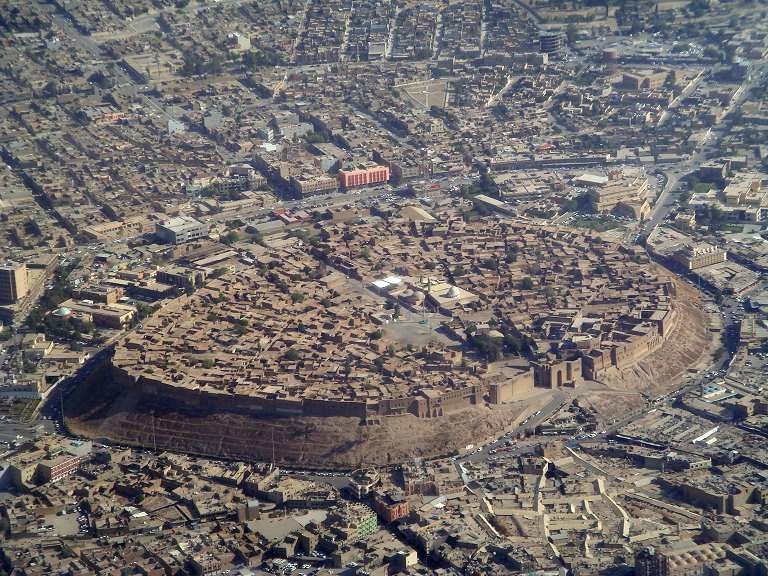
Explosive drones struck sites connected to Iranian-Kurdish opposition groups in Erbil province, northern Iraq, late Thursday. The attacks are confirmed at a local level. The more dramatic claim that Iran conducted a two-hour, large-scale assault on Erbil city is not yet supported by equivalent public evidence.
Rudaw and other Kurdish regional outlets reported that at least two explosive-laden drones hit a base belonging to the Khabat Organization of Iranian Kurdistan in the Rizgari, or Topzawa, area of Khabat district. A party official said the strike caused material damage but no casualties.
Separately, authorities reported two drones near the Kawergosik area, where Iranian-Kurdish refugees live. Emergency and security teams responded. Again, no deaths were reported in the first official accounts.
Iran considers several Kurdish parties based in Iraq to be separatist or terrorist organizations and has repeatedly attacked their camps, headquarters and refugee communities. The groups include the Khabat Organization, the Democratic Party of Iranian Kurdistan and the Kurdistan Freedom Party, among others.
The timing is politically important. Iranian-Kurdish parties reportedly held a broad meeting in Erbil earlier in the day. Tehran could view coordination among those organizations as preparation for cross-border action or as an attempt to exploit Iran’s war with the United States and Israel. That provides a motive, but motive alone does not prove who launched each drone.
Iran and Iraq signed a security agreement in 2023 under which Baghdad pledged to disarm Iranian-Kurdish armed groups and move them away from the border. Tehran has repeatedly said implementation was inadequate. Baghdad and the Kurdistan Regional Government argue that they do not want Iraqi territory used for attacks on Iran.
Attribution remains sensitive because Iranian-aligned Iraqi militias also operate drones and can provide Tehran with deniability. Weapon type, flight path, debris and communications are needed to distinguish a direct IRGC operation from an attack by an allied group. Iranian officials had not publicly claimed the latest strikes at the time of writing.
The difference between Erbil province and Erbil city also matters. Khabat district lies west of the regional capital. A strike inside the province can be described loosely as an attack “on Erbil,” creating the impression that the city center, airport or consulates were under sustained bombardment even when the confirmed targets were opposition facilities outside the urban core.
Iraq faces a sovereignty problem regardless of attribution. Foreign armed groups operating on its territory expose civilians to attack. Cross-border strikes without Baghdad’s consent violate Iraqi authority. Baghdad must prevent attacks launched from Iraq while also insisting that neighbors do not conduct unilateral military action inside the country.
Civilian refugee camps require special care. Some residents may have political affiliations, but a camp is not automatically a military target. Any attacking force must distinguish combatants and military facilities from civilians and humanitarian infrastructure.
The immediate reporting contains no confirmed mass casualties or evidence that Erbil’s broader energy and diplomatic sites were hit. That could change as damage assessments emerge. It should not be inferred in advance from the length of explosions reported online.
The targets’ identity is politically sensitive. Iranian Kurdish organizations based in Iraq range from armed opposition groups to parties with civilian and refugee communities nearby. Tehran accuses them of separatism, cross-border attacks and cooperation with foreign intelligence. The groups reject Iran’s characterization and say they represent communities facing repression. Baghdad and the Kurdistan Regional Government previously agreed to move or disarm some fighters away from the border, but implementation has been contested. Strikes near camps create risks beyond the intended target, including civilian casualties, displacement and retaliatory pressure on Erbil. They also challenge Iraqi sovereignty even when Iran argues it is acting in self-defense.
The Iraqi government faces an uncomfortable balance. It wants armed groups operating outside state control removed, but it also rejects neighboring states conducting unilateral attacks. Baghdad can enforce the disarmament agreement, demand evidence from Tehran and request international monitoring without accepting repeated violations of its territory. Erbil has a parallel duty to prevent its region becoming a launchpad while protecting refugee camps and political activity. A credible investigation should identify the impact sites, weapons and casualties rather than relying on competing communiqués.
What to watch next
Watch for drone-fragment analysis, an IRGC statement, KRG security findings and any Iraqi diplomatic protest. The most important escalation indicator would be a shift from attacks on opposition camps to strikes on Erbil’s airport, energy infrastructure or government institutions.