Kurdish-Arab Clashes Reported in al-Hasakah: Local Tribal Violence or the Start of a New Northeast Syria Crisis?
Reports of fighting between Kurdish forces and Arab Bedouin tribes in al-Hasakah expose the fragile political order of northeast Syria. Reliable details remain limited, making the battle over the narrative almost as important as the reported clashes.
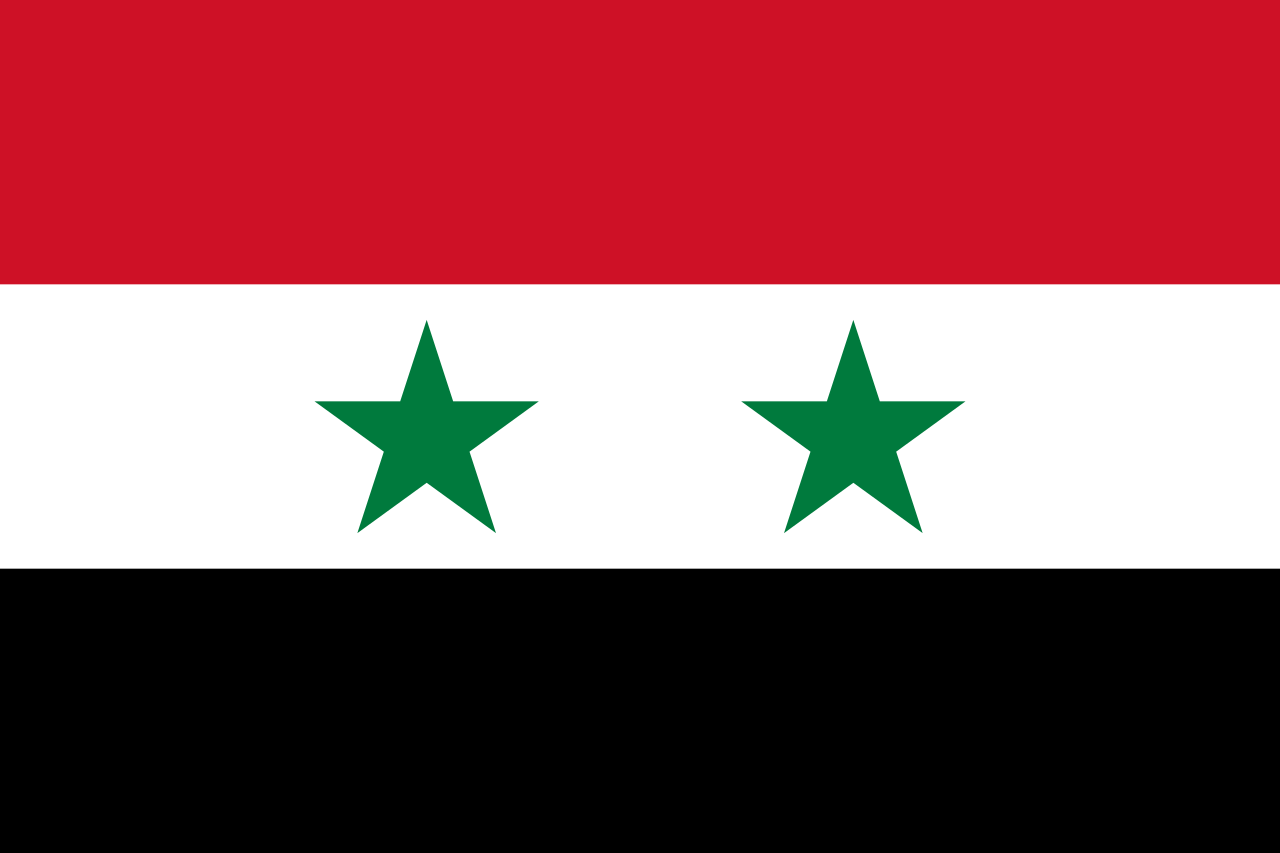
Reports that Kurdish forces, possibly linked to the YPG or the wider Syrian Democratic Forces, clashed with Arab Bedouin tribes in the al-Hasakah region have revived one of northeast Syria’s most dangerous fault lines. At the time of writing, independently verified information about the location, casualties, participating units and immediate cause remains limited.
That lack of confirmation is not a minor detail. In northeast Syria, the label attached to an armed group can determine how an event is interpreted before basic facts are known. A local security unit may be described as the YPG, the SDF, Kurdish forces or a militia depending on the political position of the source. Arab fighters may be described as Bedouin tribes, local self-defense groups, government-aligned forces, smugglers or insurgents. Each label carries a different story about legitimacy.
Al-Hasakah is a mosaic of Kurdish towns, Arab tribal areas, Christian communities, displaced people, border routes, oil interests and overlapping security structures. Control has shifted significantly during Syria’s political transition, while Kurdish-led forces, central government institutions and local tribal networks have competed over authority. Even a small confrontation can quickly be interpreted as evidence of a broader ethnic uprising or a coordinated campaign.
One possible explanation is a localized dispute. Tribal conflicts can begin over arrests, checkpoints, land, smuggling routes, taxation, kidnapping or personal revenge. Armed actors may then mobilize through family and tribal connections, creating an incident that appears political from outside even when its original trigger is local.
A second possibility is resistance to Kurdish-led security structures. Arab communities in parts of northeast Syria have long expressed complaints about political representation, detention practices, compulsory recruitment, distribution of oil revenue and the concentration of authority in Kurdish-dominated institutions. Kurdish officials respond that the SDF is multiethnic, that Arab units form a large part of the force and that their administration has prevented Islamic State from returning.
A third explanation is deliberate destabilization by an outside actor. Turkey has historically viewed the YPG as an extension of the Kurdistan Workers’ Party, or PKK. Damascus has resisted permanent Kurdish autonomy. Islamic State cells have exploited tribal resentment and weak governance. Iran-aligned groups, regional intelligence services and criminal networks have also operated across the wider Syrian-Iraqi border environment.
Without evidence, none of these explanations should be treated as established.
The use of the word “Bedouin” also requires care. It can refer to real tribal identities and social networks, but it is sometimes used loosely or politically to describe Arab fighters as a single bloc. Northeast Syria’s tribes are not unified. Different clans and leaders may support the SDF, Damascus, Turkey, local autonomy or whichever arrangement offers security and resources. A clash involving one group does not prove that “the Arab tribes” have collectively turned against Kurdish forces.
Kurdish communities also have reasons to fear how such reports are framed. In previous phases of the Syrian war, rumors of tribal mobilization spread alongside old videos, misidentified convoys and inflammatory claims. Kurdish civilians may interpret talk of a large Arab uprising as preparation for ethnic violence. Arab civilians may interpret Kurdish security deployments as collective punishment. Fear can therefore produce the mobilization that the original rumor falsely claimed had already happened.
The Syrian transitional authorities face a difficult test. If they intervene too aggressively, Kurdish leaders may see an attempt to dismantle their remaining autonomy. If they remain passive, Arab communities may believe local grievances have no political channel. Any lasting arrangement requires more than a temporary ceasefire between armed groups. It requires clarity over policing, local government, revenue, language rights, military integration and the treatment of detainees.
The most immediate need is reliable reporting. Where did the clashes occur? Which units participated? Were civilians displaced? Was there a preceding arrest or kidnapping? Have tribal mediators intervened? Are reinforcements moving into the area? Until those questions are answered, headlines declaring a Kurdish-Arab war risk becoming part of the conflict rather than a description of it.
The deeper question is whether al-Hasakah can develop institutions that make ethnic and tribal identity less important than law and accountable local government. If every security incident is processed through competing armed communities, northeast Syria may remain one rumor away from another major confrontation.