Meloni Pushes Back as Trump Eyes Troop Cuts: Is Italy Becoming the Next NATO Test?
After Germany, Trump has floated reducing U.S. forces in Italy and Spain. Meloni says she would not support it — but Europe is learning that American bases are now bargaining chips.
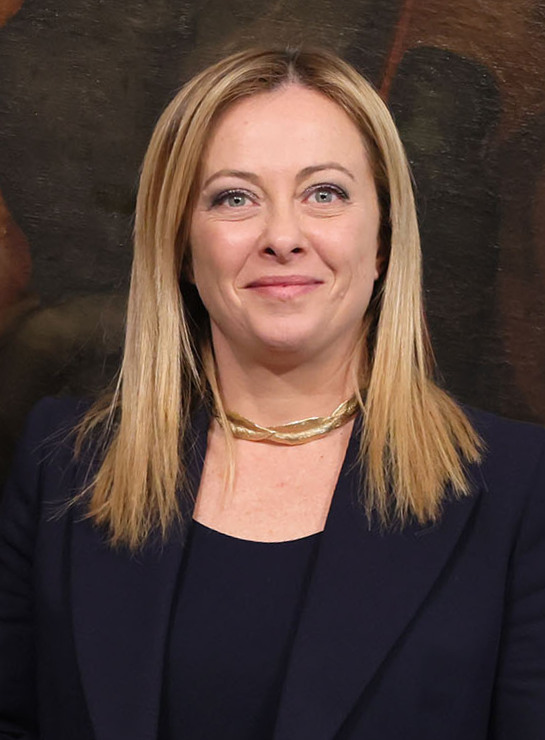
Giorgia Meloni is trying to do something increasingly difficult in Europe: stay close to Washington while not looking dependent on it.
After President Trump moved to withdraw 5,000 U.S. troops from Germany and openly floated cuts in Italy and Spain, the Italian prime minister said she would not support a U.S. troop withdrawal from Italy. Her wording was careful. The decision does not belong to her, she said in effect, but she personally would not agree with it.
That answer reflects Italy's dilemma. The U.S. military presence in Italy is not symbolic. It is operational. Italy hosts important American facilities, including air and naval infrastructure that matter for the Mediterranean, North Africa, the Middle East and NATO's southern flank. Pulling troops is therefore not just a punishment or budget move. It changes the geometry of American power projection.
Trump's frustration is clear. He has repeatedly accused European allies of failing to help the United States during the Iran war and the Strait of Hormuz crisis. He has described Spain harshly and complained that Italy has not been useful enough. From his perspective, if allies want American protection, they should support American operations.
Europe sees the question differently. Many European governments argue that the Iran war has unclear legal and strategic goals. Some refused to provide airspace or base access for offensive operations. They believe loyalty to NATO does not require automatic participation in every U.S.-led campaign.
That disagreement is now colliding with basing policy. In the old NATO model, U.S. troops in Europe were a long-term strategic anchor. In the Trump model, they increasingly look like leverage. Support us, or we may leave. Pay more, or we may reduce. Criticize the war, and your bases may become negotiable.
Meloni's position is especially interesting because she is not an anti-American leader. She has often worked to maintain strong ties with Washington. If even Meloni is publicly resisting the idea of troop withdrawal, it means the issue is no longer a left-right European argument. It is a sovereignty argument.
Italy wants U.S. troops because they reinforce deterrence and enhance Italy's strategic relevance. But Italy also does not want to be treated as a military platform with no political voice. That tension is now visible.
The practical obstacles are huge. Moving thousands of troops is expensive. Rebuilding infrastructure elsewhere takes time. Congress may object. NATO planners would need to adjust. Host nations would renegotiate. A threat can be made in seconds; a withdrawal takes logistics, money and legal work.
But the threat alone has consequences. It tells Russia that the alliance is politically strained. It tells European publics that U.S. protection is conditional. It tells governments like Italy and Spain that opposition to a U.S. war may carry basing costs.
The open question is whether this is pressure theater or a real strategic pivot. Trump may use troop cuts to force European cooperation on Hormuz and Iran. Or he may genuinely want a smaller U.S. footprint in Europe, shifting burden onto NATO allies while keeping only the bases Washington considers essential.
Either way, Meloni's warning marks a turning point. Europe is no longer debating only how much to spend on defense. It is debating whether the American security guarantee is becoming transactional in real time.
If Italy becomes the next test, NATO's southern flank will not collapse overnight. But the alliance's psychology may change faster than its maps.