What Hit Metula? The Video Proves Less Than It Shows
Footage shows an impact in northern Israel, but recycled drone videos, balloons and unexploded submunitions make attribution uncertain.
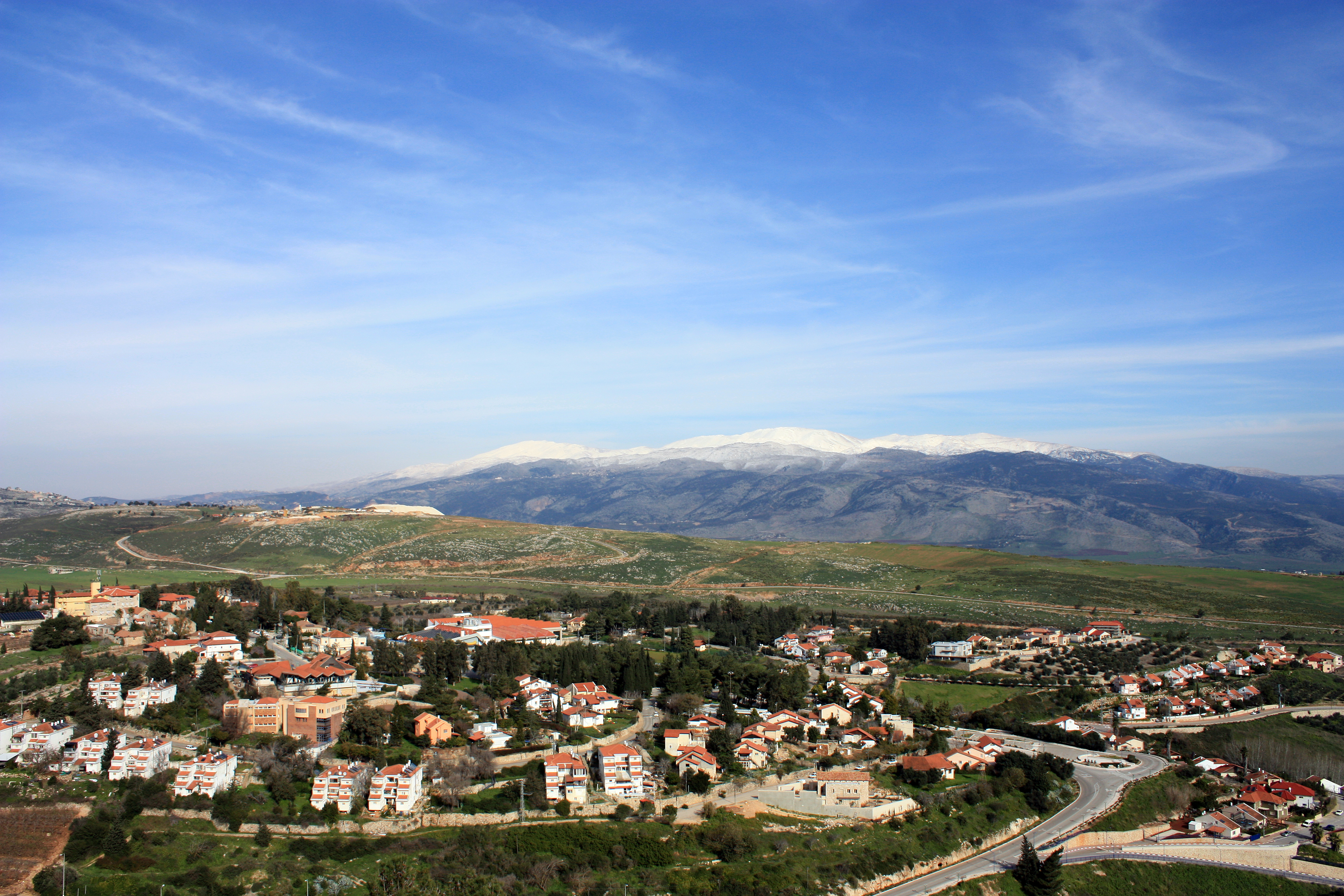
A flash, a descending object and an impact in Metula are enough to make a video explode online. They are not enough to identify a drone, missile, interceptor fragment or date. Northern Israel has seen all of those—and old Metula footage has already been recycled during earlier crises.
What happened
The latest clip is presented as something striking the border town, but public reporting had not matched it to a fresh official incident. In May, a Hezbollah-linked UAV hit a Metula home and caused a fire, producing footage that can easily be reposted without context.
Separately, an unidentified object triggered alerts near Arab al-Aramshe on October 10. After searching, the IDF assessed that object as likely a balloon or hot-air device rather than a drone.
Why it matters
Metula lies beside Lebanon and has endured rockets, drones, interceptions and falling debris. Unexploded submunitions also remain a hazard; a recent explosion during a school outing killed a teenager after an object was reportedly picked up.
Video verification requires original upload time, landmarks, shadows, weather, sound delay and comparison with official alerts. A caption is not metadata.
The clip may show a real attack, but uncertainty should be the headline until the event is located and timed. Calling every descending object an Iranian or Hezbollah weapon helps belligerents create panic and can prompt retaliation before evidence exists.
Israel also has an incentive to disclose selectively for operational security. That makes independent geolocation valuable, but it does not license analysts to fill every gap with confidence.
How to read the signal
The essential discipline in reading “What Hit Metula? The Video Proves Less Than It Shows” is to separate the documented event from the larger story attached to it. A launch, deployment, court appearance, economic announcement or military image can be genuine while its cause, scale and strategic meaning remain disputed. Early certainty is often a warning sign rather than proof.
Incentives matter. Governments seek deterrence, reassurance and political advantage. Armed groups advertise reach while minimizing responsibility. Companies emphasize spectacle or commercial progress. Critics select the details that support a wider argument. The clearest account compares official statements with independent reporting, technical evidence and observable implementation.
Timing creates another source of error. Initial reports may contain incomplete casualty totals, confused locations or claims made before investigators reach the scene. Later imagery can identify a building, revise a number or show that old footage has been recycled. Responsible reporting remains updateable rather than freezing the first viral version into history.
The practical test is what happens next. Production schedules, trade flows, satellite images, court filings, flight notices, military movements and market prices reveal whether a headline marks a lasting change. Rhetoric can move public opinion immediately, but measurable conduct determines who gained leverage and who absorbed the cost.
A cautious conclusion is not an evasive one. It identifies what the evidence establishes, what remains an allegation and what would settle the dispute. That method allows serious risks to be discussed without converting a politically useful or visually dramatic claim into fact.
Readers should also resist false binaries. An official account can contain accurate facts and strategic omissions; a critic can identify a genuine problem while exaggerating its scale. Confidence should rise when independent evidence converges and fall when a claim depends on one anonymous source, cropped clip or unexplained image.
Verification and competing accounts
A clip is circulating as a new Metula impact, but authoritative reporting available at publication did not confirm its date or weapon. Similar older footage exists, and a separate recent northern-Israel alert was assessed by the IDF as probably a balloon. Sources used for this report include Times of Israel, Jerusalem Post, Reuters, IDF statements, open-source video checks. Claims from belligerents, anonymous officials and viral posts are attributed rather than converted into established fact. Figures and operational details may change as authorities release evidence or corrections.
This article does not claim the footage is fake. It says the content is under-verified. The balloon incident occurred in another northern community and should not automatically be used to explain the Metula clip.
What to watch next
Watch for the original file, CCTV timestamps, damage photographs and an IDF incident report. If no matching alert or physical damage emerges, recycled footage becomes the likelier explanation.