Former Israeli Lawmaker Calls for Gaza’s Expulsion—and Worse
Moshe Feiglin advocated coercive removal of Gaza’s population, including cutting water, and used language endorsing mass killing.
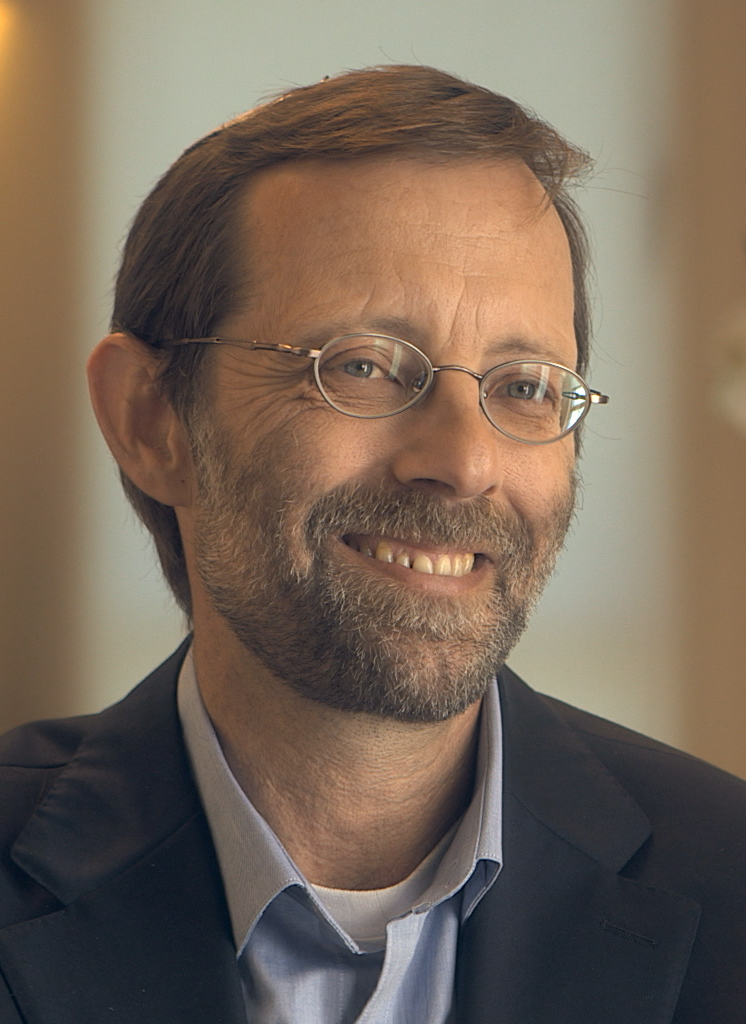
Moshe Feiglin has made the euphemism “voluntary migration” impossible to maintain. The former Knesset member said Gaza’s residents should be forced out, proposed cutting their water and added: “Killing them all would be incredible.” The words are verified, extreme and legally consequential.
What happened
Feiglin leads the Zehut party and has aligned politically with Israel’s far right ahead of elections. In interviews he argued that Gaza should be emptied and returned to Jewish control, rejected meaningful distinctions between civilians and Hamas and extended collective responsibility even to newborns.
Associated Press included his remarks in a review of escalating campaign rhetoric. The full context does not soften them: deprivation of water was presented as a mechanism to compel departure, while mass killing was treated approvingly. Feiglin does not currently control the Israeli military or cabinet.
Why it matters
Forced transfer of civilians and deliberate deprivation of objects indispensable to survival are prohibited under international humanitarian law. Public advocacy is not identical to implementation, but rhetoric can shape policy boundaries, normalize abuse and signal what political coalitions may demand.
Gaza’s water system is already severely damaged, and humanitarian agencies report acute shortages. That makes proposals to weaponize water more than abstract campaign provocation.
The central debate is not whether the quotation was mistranslated into harmlessness. Multiple reports preserve the same meaning. The analytical questions are political reach, intent and institutional response.
Critics will see incitement to ethnic cleansing or exterminatory violence. Supporters may frame it as rage after October 7 or deterrent language. Neither trauma nor political speech protections erase the content. Democratic systems are tested by whether leaders condemn such advocacy and prevent it from becoming operational policy.
Verification and competing accounts
Associated Press and Israeli interview reporting document the remarks. Feiglin is a former Knesset member and Zehut leader, not a current cabinet minister; his words are not automatically government policy. Sources consulted include Associated Press, Jerusalem Post, i24NEWS, Israeli interview footage, UN humanitarian reporting. Official, military, partisan and anonymous-source claims remain attributed unless independently established.
Feiglin’s statement must not be generalized to all Israelis or Jews. It also should not be minimized because he is outside the cabinet. Attribution should be precise: these are his views, documented in a broader far-right electoral environment.
Reading the signal
Breaking-news language can make a real development sound more conclusive than the available evidence permits. A disciplined assessment separates an observable event from an interested actor's account and from the strategic interpretation added afterward. A verified statement proves the words were spoken; it does not automatically prove every operational claim inside them.
Confidence normally improves through named records, imagery, technical data, official notices and reporting from sources with different incentives. Until those checks converge, words such as “reported,” “claimed,” “preliminary” and “unverified” describe the actual strength of the evidence. They are essential when governments, militaries and political campaigns are competing to define the same event.
Scale matters as much as authenticity. A dramatic warning, launch, diplomatic announcement or leaked document may be genuine without changing the wider balance. Strategic change requires persistence: implemented policy, measurable disruption, repeated operational success, durable financing or behavior altered by the development.
Every actor also has a communications objective. Governments seek confidence and deterrence, armed groups seek momentum, businesses protect commercial interests and politicians seek electoral advantage. Motive does not make a claim false, but it explains why precise attribution and independent corroboration matter.
The assessment can change quickly. Responsible coverage preserves the verified core, labels the contested perimeter and identifies what evidence would alter the conclusion. That approach is less theatrical than a viral caption, but far more useful when readers are judging war, diplomacy, public safety or markets.
Breaking-news language can make a real development sound more conclusive than the available evidence permits. A disciplined assessment separates an observable event from an interested actor's account and from the strategic interpretation added afterward. A verified statement proves the words were spoken; it does not automatically prove every operational claim inside them.
What to watch next
Watch whether coalition leaders repudiate or endorse him, Zehut’s electoral performance, investigations for incitement and concrete policies on water, aid and displacement. Institutional action will show whether the statement remains fringe rhetoric or gains governing influence.