NATO’s Nuclear Drill Comes With a Message for Moscow
NATO will stage its annual Steadfast Noon nuclear exercise in Italy while emphasizing that no live warheads are involved and the drill is not a threat to Russia.
NATO is preparing to hold its annual nuclear-readiness exercise while simultaneously trying to convince Russia that the drill is routine, predictable and not a prelude to attack. That is the paradox of nuclear deterrence: the alliance wants to demonstrate that it can use nuclear forces while ensuring Moscow does not mistake the demonstration for operational preparation.
Steadfast Noon is scheduled to begin on October 13 and run for 10 days, with Italy hosting aircraft and personnel from 17 NATO members. The exercise rehearses procedures associated with a nuclear mission, including preparing aircraft, command systems, security and supporting sorties. No live nuclear weapons or ammunition will be used.
NATO’s head of nuclear policy, Nassima Barrows, emphasized that the exercise has taken place at roughly the same time every year for more than a decade. The alliance argues that this predictability reduces miscalculation: Russia knows the timing, general purpose and limits in advance rather than encountering an unexplained surge of nuclear-capable aircraft.
Routine does not mean politically neutral. The drill follows a Russian warning that Moscow could use its entire arsenal, including nuclear weapons, if NATO attempted to isolate Kaliningrad from the rest of Russia. The Russian exclave sits between Poland and Lithuania and contains significant missile, air and naval infrastructure.
Kaliningrad is both a Russian military platform and a vulnerability. In a NATO-Russia conflict, land and sea access could become contested immediately. Russian officials interpret exercises or statements about cutting the region off as threats to sovereign territory. NATO members view Kaliningrad’s missiles and electronic-warfare systems as threats to the Baltic states and allied reinforcement routes.
The reassuring language around Steadfast Noon therefore has limits. Practicing nuclear operations is intended to be seen. Deterrence fails if an adversary believes the capability is unusable or politically hollow. NATO must project readiness to Moscow while insisting the drill creates no imminent danger.
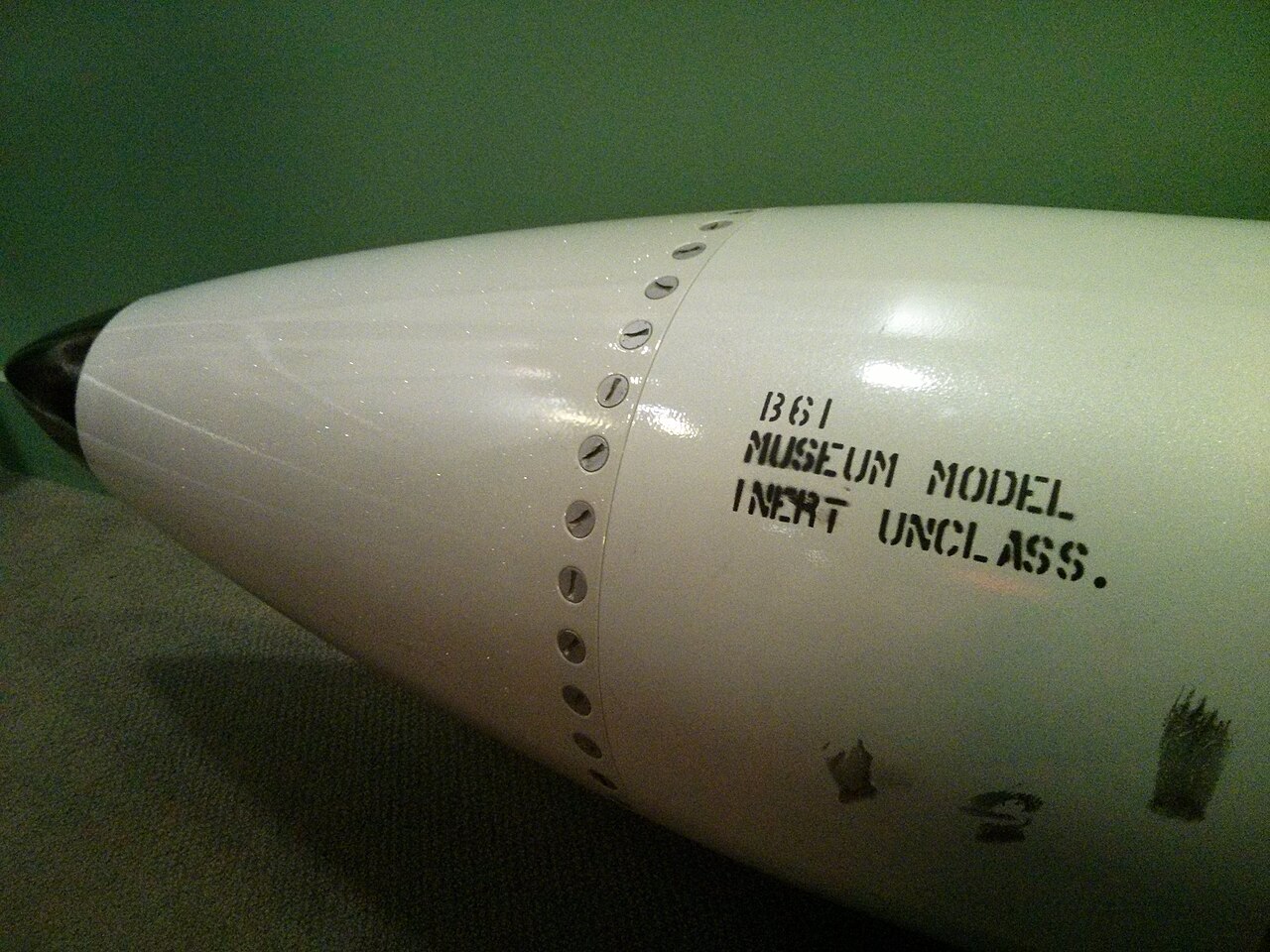
The exercise also tests nuclear sharing. Several European allies host US B61 bombs, while specially certified aircraft and crews would carry out missions only after the necessary political decisions. Training typically involves mock devices, conventional supporting aircraft, tankers, surveillance and defensive assets rather than armed nuclear flights.
Critics argue that holding such drills during heightened tension normalizes nuclear use and increases accident or misinterpretation risk. They ask whether postponement would help de-escalate. Supporters answer that cancellation after a Russian threat would reward coercion and cast doubt on NATO’s deterrent precisely when Moscow is testing it.
Both arguments contain a real risk. An unexpected exercise can look like mobilization. A canceled exercise can look like fear. The safest approach is usually advance notice, geographic separation from sensitive borders, clear public limits and reliable military-to-military communication.
NATO officials say they have not observed alarming changes in Russia’s nuclear posture. That assessment matters more than rhetoric alone. Intelligence services watch dispersal, command activity, bomber movement, submarine operations and warhead-storage procedures for evidence that political threats are becoming operational preparations.
Headlines calling Steadfast Noon a nuclear “war game” can mislead readers into imagining detonations or live weapons. It is a command, handling and sortie-generation exercise conducted under a nuclear scenario. That remains serious, but accuracy is essential when public fear is itself part of deterrence politics.
The political audience is not limited to Moscow. European governments must reassure their own publics that nuclear planning remains under strict political control, while the United States wants allies to contribute credible aircraft and support. Russia, meanwhile, will scrutinize whether the exercise includes unusual deployments, new bases or altered command procedures. Transparency can reduce uncertainty, but neither side will reveal every operational detail. That gap is why routine exercises become dangerous during a wider confrontation: analysts may interpret ordinary readiness measures through the lens of recent threats. The drill’s real success will be uneventful completion—no accidents, no surprise movements and no retaliatory escalation that outlasts the training schedule.
Italy’s role also matters. Hosting demonstrates that nuclear deterrence is an alliance mission rather than an exclusively American activity, while exposing Rome to domestic debate over nuclear sharing and escalation.
What to watch next
Watch Russian force movements, NATO’s flight geography, any advance notifications and whether Moscow announces a parallel exercise. The key question is not whether both sides use tough language, but whether their operational behavior remains predictable throughout the drill.