North Korea Sends Ballistic-Missile Unit to Russia: Six Launchers and Up to 120 Missiles Deepen Pyongyang’s Role
Ukrainian intelligence says North Korea has deployed a ballistic-missile unit to Russia with six launchers and up to 120 missiles. Recent Russian strikes have again used KN-23-class weapons, reinforcing evidence that Pyongyang is becoming a direct operational partner rather than merely an arms supplier.
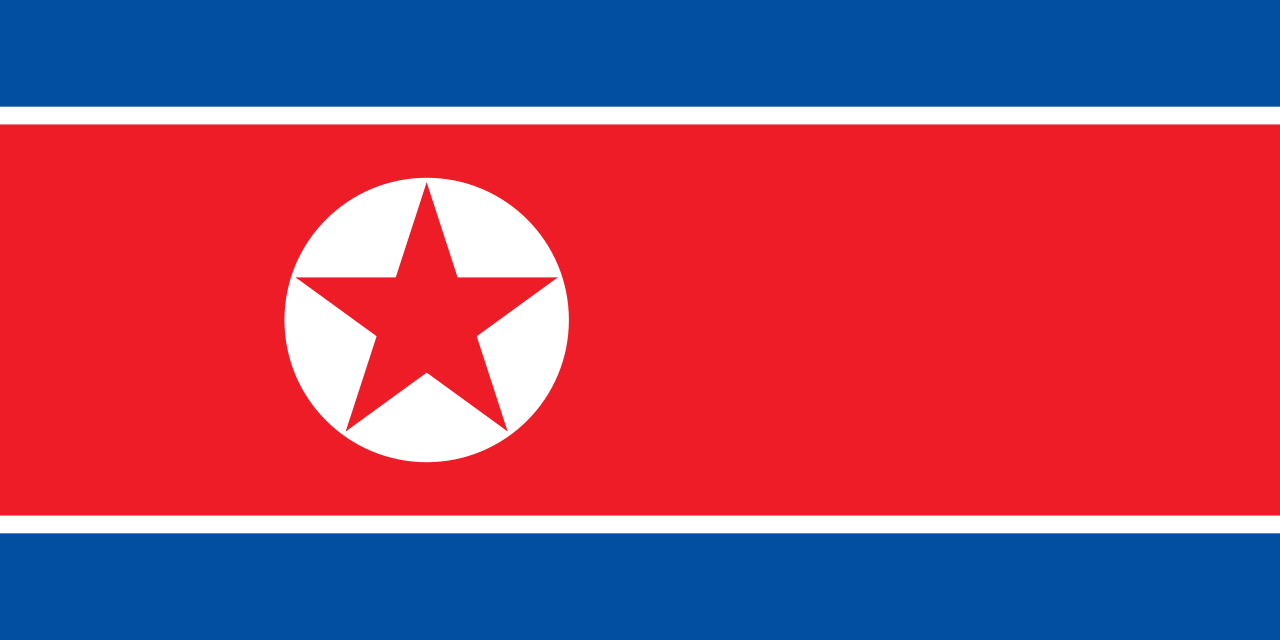
North Korea is reportedly expanding its direct military role in Russia by deploying a ballistic-missile unit with six launchers and as many as 120 missiles.
Ukrainian intelligence says the unit includes around 90 North Korean personnel and is positioned to support future strikes on Ukraine.
The claim fits a wider pattern that is already well documented.
Russia has used North Korean KN-23 and KN-24 ballistic missiles against Ukrainian cities since late 2023. Reuters investigations have shown that North Korean artillery ammunition has become deeply integrated into Russian firepower. North Korean troops have also fought alongside Russian forces.
The new development is the apparent deployment of a dedicated missile unit rather than only the transfer of weapons.
That would mean North Korean personnel are not simply shipping missiles to Russia. They may be helping maintain, prepare or operate the launch systems.
Ukrainian and Russian monitoring channels reported North Korean ballistic missiles during recent overnight attacks. Zelensky has also said Russia used North Korean missiles in strikes that killed civilians.
The exact identification of every missile requires fragment analysis, but KN-23 use is no longer speculative as a general phenomenon.
These missiles are strategically important because they provide Russia with another source of ballistic firepower while its own missile industry works at maximum capacity.
Ukraine’s Patriot and other air-defence systems have limited interceptor stocks. Ballistic missiles are particularly difficult to stop.
A large new North Korean supply therefore creates pressure even if accuracy is lower than comparable Russian systems.
The reported 120-missile stockpile would not transform the war by itself. It could support dozens of strike waves.
The larger concern is repeatability. If North Korea can continue supplying missiles and launchers, Russia gains an external production base largely beyond the reach of Ukrainian strikes.
Pyongyang gains something in return. Military cooperation with Russia provides combat data, money, technology and political support.
North Korean engineers can study how their missiles perform against Western air defences in real war conditions. That information could improve future designs.
South Korea and Japan therefore have direct reasons to worry.
The deployment also weakens the distinction between supplier and belligerent. Countries routinely sell weapons to partners without becoming parties to a war. Sending military personnel and operational missile units moves much closer to direct participation.
Russia and North Korea have increasingly acknowledged security cooperation, but many details remain opaque.
The international legal environment has also changed. North Korea was already under extensive UN sanctions targeting its ballistic-missile programme. Russia, once involved in enforcing those sanctions, now depends on the state they were designed to isolate.
The open question is whether the reported unit is the beginning of a permanent North Korean missile presence in Russia—and whether Pyongyang’s role will continue expanding from weapons supplier to an increasingly integrated partner in planning and conducting the war.