Trump’s ‘Economic D-Day’ Targets Iran’s Oil, Crypto and Cyber Networks. Can Operation Economic Outcast Actually Isolate Tehran?
Washington has opened Operation Economic Outcast with nearly 60 sanctions targets, five new sectoral pressure points and action against a MOIS-directed hacking network accused of compromising U.S. infrastructure. The campaign is broad—but its success depends on banks, ports and trading partners outside America.
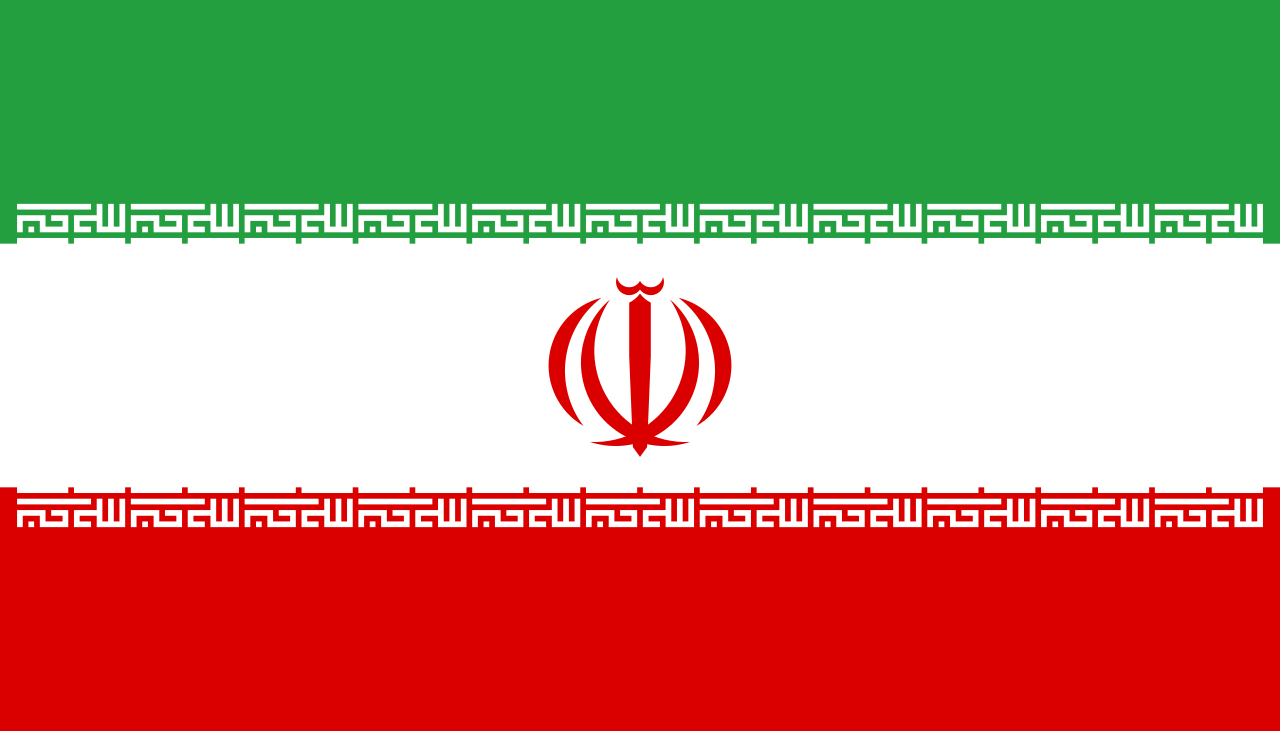
The Trump administration has named its new campaign against Iran as if it were an invasion: Operation Economic Outcast, launched on what Treasury Secretary Scott Bessent called an “economic D-Day.”
The first wave is substantial. The U.S. Treasury says it sanctioned nearly 60 people, entities and vessels spanning nuclear and missile procurement, cyber operations and oil-revenue networks. It expanded the categories of Iranian economic activity that may expose foreign actors to future secondary sanctions, naming digital assets, technology, gold, aviation and shipping. It also suspended several general licenses and issued new guidance concerning Iranian demands on shipping near the Strait of Hormuz.
Bessent described the objective in maximal terms: sever every economic lifeline sustaining the Iranian government until Tehran “stands alone.” That is a political destination, not yet an economic result.
One part of the package targets a cyber group that Treasury says is directed by Iran’s Ministry of Intelligence and Security. U.S. officials accuse the network of extensive compromises of American critical infrastructure and financially motivated digital theft. The action was coordinated with the FBI after the Justice Department unsealed charges against 17 Iranian cyber actors; four were designated in the new sanctions wave.
The allegation should be presented accurately. Washington has published an attribution and legal actions. Iran and the named actors are entitled to dispute them. Sanctions are executive measures based on government findings, not a conviction after every target has tested evidence in court. Technical indicators, indictments and allied attributions will determine how persuasive the cyber case is beyond U.S. policy circles.
The campaign’s economic architecture is broader than a target list. Secondary sanctions are intended to force non-U.S. banks, exchanges, insurers, ports and traders to choose between Iran and access to the dollar-centered financial system. That leverage can be powerful even when another government rejects American jurisdiction. A company may call the measure unlawful and still exit a transaction because its lenders and insurers will not accept the risk.
Washington’s theory is that Iran survives pressure through networks rather than normal channels: shadow-fleet tankers, front companies, brokers, cryptocurrency, technology procurement and trade routed through third countries. Treasury says its new authorities make more of those sectors sanctionable and give partners deadlines to close identified activity.
Iran’s theory is different. Tehran calls unilateral sanctions economic warfare, argues that they punish civilians and says China, Russia and other partners will resist U.S. pressure. Iranian officials have threatened retaliation while claiming to possess a plan for managing the next two years. Beijing has criticized the expanded measures and opposed unilateral sanctions.
Both narratives contain a testable proposition.
If Washington can cut transaction volumes, deny insurance, strand vessels and reduce access to technology, pressure on Iran’s budget and currency will intensify. The rial was already under severe stress. Reduced revenue can constrain military procurement and patronage, increase inflation and deepen disagreement inside the state.
But sanctions rarely isolate only leaders. Importers may struggle to pay for food, medicine and industrial inputs even when humanitarian trade is formally exempt. Banks often over-comply because determining what is legal costs more than abandoning the customer. Smuggling premiums enrich connected intermediaries. Ordinary Iranians may pay more while protected institutions acquire greater control over scarce foreign exchange.
There is also an enforcement dilemma. Treasury avoided immediately sanctioning major Chinese financial institutions, according to Reuters, even though China is central to Iran’s trade. That may reflect negotiations with Beijing and fear of wider economic retaliation. It also exposes the difference between a maximal slogan and a campaign calibrated around other U.S. priorities.
The cyber component creates another paradox. Sanctions can name actors and freeze reachable assets, but a hacking unit operating from Iran may have little property in U.S. jurisdiction. The larger value is defensive: publish identities, disrupt infrastructure, warn companies and make travel or contracting more difficult. If the campaign becomes only a financial announcement without network remediation, the targeted hackers may simply change aliases and tools.
Oil and shipping will provide the clearest indicators. Watch whether sanctioned vessels change flags, names and ownership; whether Chinese refiners reduce purchases; whether ports deny services; and whether insurers withdraw. A disappearing ship on paper can continue moving oil in reality. Enforcement depends on tracking beneficial ownership and ship-to-ship transfers, not counting designations.
Diplomacy remains the missing variable. Treasury says Iran can choose severe isolation or reintegration, but reintegration requires defined conditions. What sanctions would be lifted for what nuclear, military or maritime concession? If no credible off-ramp exists, Tehran may conclude that compliance cannot end the pressure and that escalation is its only leverage.
Operation Economic Outcast is therefore both an economic instrument and a strategic gamble. It could narrow Iran’s options and pull it toward negotiation. It could harden the state, deepen civilian hardship and provoke asymmetric retaliation against shipping or infrastructure. It could also be partially evaded while producing impressive lists but limited behavioral change.
The decisive question is not whether Washington can impose pain—it can. It is whether that pain changes decisions more effectively than it changes prices. If Tehran is truly meant to choose reintegration, what exact door has the administration left open, and who will recognize it before “economic D-Day” becomes another front in a war without an exit?
What to watch next
Track actual trade volumes, Chinese financial exposure, shadow-fleet movements, rial stability and whether Treasury names major third-country banks. A credible diplomatic off-ramp and measurable humanitarian safeguards will show whether the campaign seeks behavior change or indefinite isolation.