Pakistan Sends Warplanes to Saudi Arabia as Islamabad Hosts Iran Talks — Coincidence or a New Gulf Deterrence Message?
Pakistan is trying to look like mediator and security actor at the same time. That balancing act just became much harder to ignore.
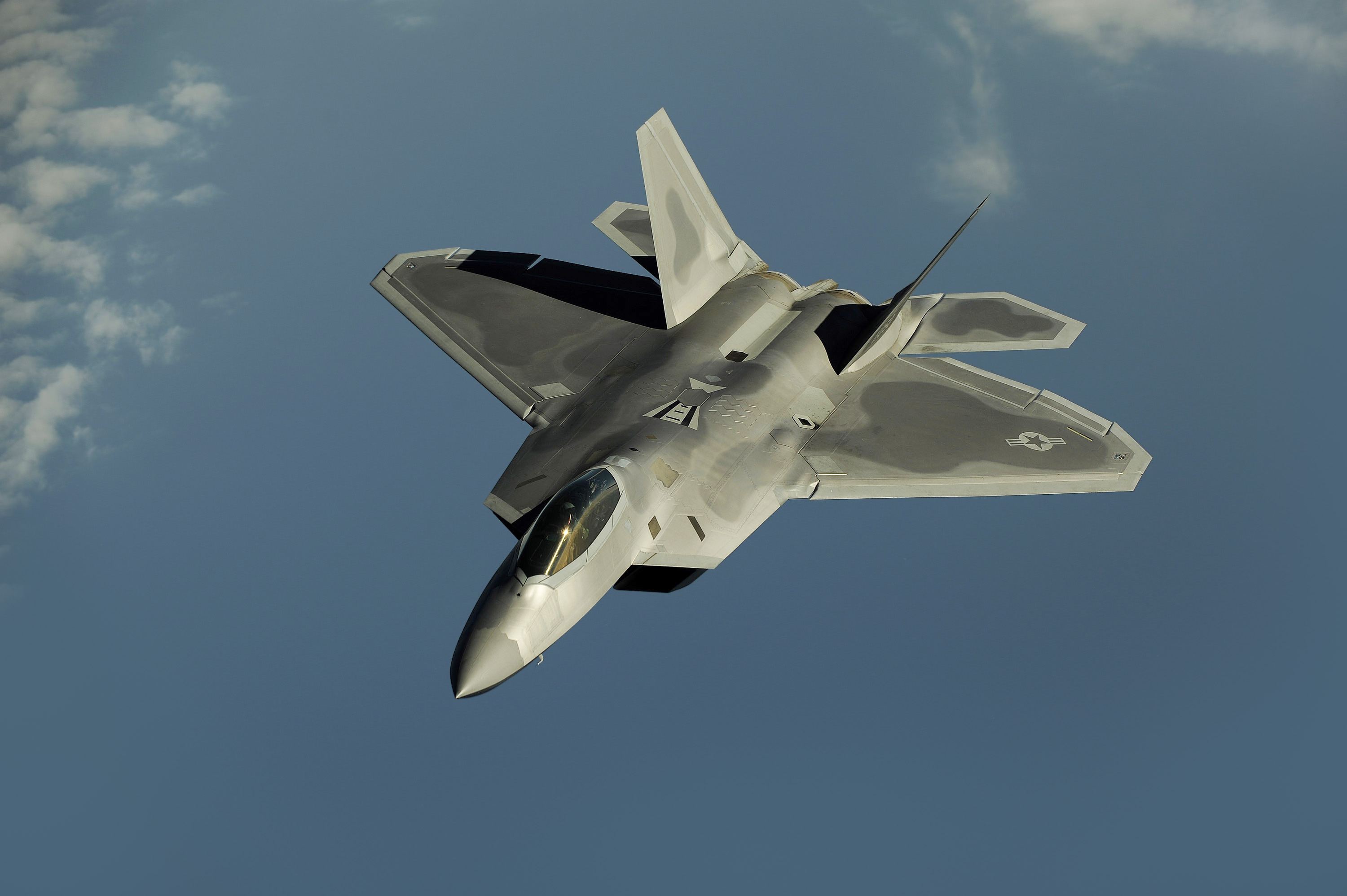
The arrival of Pakistani military aircraft in Saudi Arabia is the kind of move that looks technical until you place it next to the map.
Saudi Arabia announced that a Pakistani force including fighter and support aircraft had arrived at King Abdulaziz Air Base in the Eastern Province under a joint strategic defense agreement. The Wall Street Journal and follow-on regional reporting described the move as part of a deepening Saudi-Pakistani defense arrangement at a moment of extreme regional tension.
On paper, this is about coordination, readiness and partnership. In practice, it is also about signaling.
Pakistan is hosting U.S.-Iran talks in Islamabad while simultaneously seeing its military profile rise in the Gulf. That creates a strange but revealing dual identity: mediator on one table, deterrent-adjacent actor on another. Islamabad may want those roles to coexist. Others will see them as inherently unstable.
Saudi Arabia's logic is easier to understand. After the war demonstrated how exposed Gulf infrastructure can be, Riyadh wants options. Pakistani aircraft do not solve the region's strategic vulnerability. But they add visible depth, regional solidarity and a reminder that the kingdom is not depending solely on U.S. umbrella logic.
For Pakistan, the benefits are prestige and leverage. It reinforces the kingdom relationship, signals relevance in Gulf security, and reminds Washington and Tehran alike that Islamabad is not merely a hotel host for negotiations. It is a state with real security links across the region.
But there is risk too. The more Pakistani military assets appear in Gulf deterrence arrangements, the harder it becomes for Iran to treat Pakistan as a truly neutral convener. That does not make talks impossible. It does make atmospherics harder.
In diplomacy, timing is often the hidden message. And the timing here says something blunt: even while negotiations are under way, regional powers are still preparing for the possibility that negotiations fail.
That is what makes this deployment interesting. It is not a contradiction to the peace process. It is proof that nobody fully trusts it yet.
Pakistan is trying to sit in both chairs — mediator and security stakeholder. For now, it still can. The question is how long Tehran will tolerate that balancing act if the talks sour.