Paraguay’s Ueno Bank Is in Resolution, Not Simply “Collapsed”: What Depositors Should Know Now
Paraguay’s central bank has placed Ueno Bank into a formal resolution process after a capital shortfall. Depositors have a legal guarantee up to a stated cap, while accounts and public funds are being reviewed.
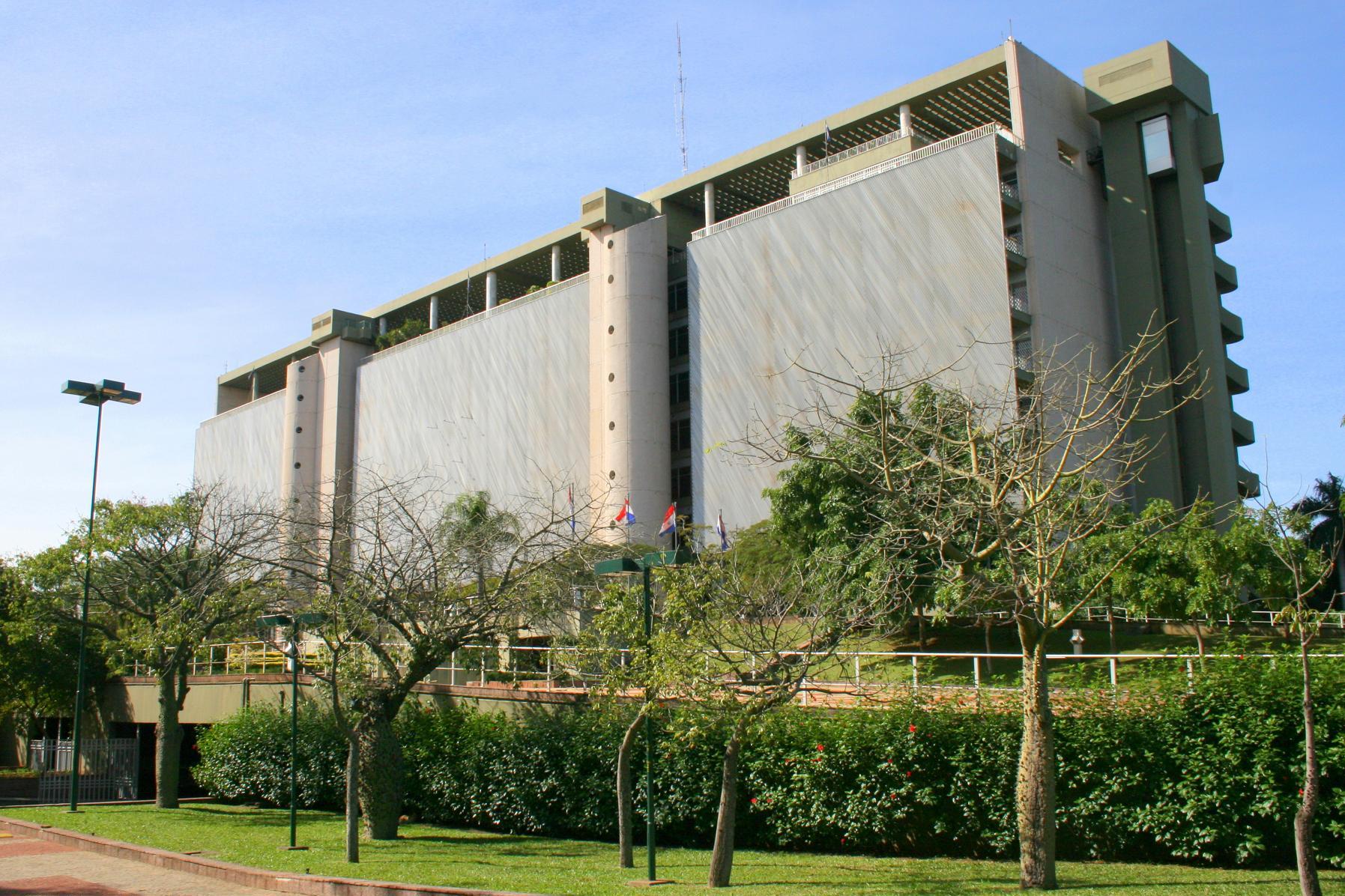
A formal resolution process is underway
Paraguay’s central bank has placed Ueno Bank into resolution after finding its solvency ratio had fallen below half the legal minimum. That is a serious banking failure, but “collapsed” can obscure what the regulator is doing: resolution is a statutory process to manage the institution, protect depositors and establish its financial position.
The regulator says eligible deposits are guaranteed up to 75 monthly minimum wages, currently equivalent to 228.3 million guaraníes per depositor per institution. The guarantee applies across a person’s accounts at the same bank, not separately to every account. The central bank has also said that it will seek to protect balances above the insured limit through the resolution process.
Why the case has become political
Reuters reports Ueno had about three million customers and managed roughly $850 million in public funds. The intervention has triggered scrutiny of lending to companies linked to its controlling shareholder, and prosecutors are investigating President Santiago Peña, who says he sold his stake in the associated group in 2025 and denies wrongdoing. Eight Ueno executives face arrest warrants, according to Reuters. These are investigations and allegations, not findings of guilt.
The central bank says the case is specific to Ueno and does not reflect a generalized weakness in Paraguay’s banking system. Authorities are reviewing assets and transferring accounts. Customers should consult official regulator updates rather than rely on viral claims about the entire financial system.
With millions of customers and substantial public funds at stake, restoring account access and protecting balances above the insured cap are immediate concerns. Reuters also reported that the central bank chief had previously led Ueno and resigned after the intervention. That fact does not prove misconduct, but makes an independent review especially important: when did regulators identify concerns, what corrective measures were attempted, and how did financial adjustments reveal the capital shortfall?
The central bank says insured depositors can receive an initial payment up to ten million guaraníes, with the broader statutory guarantee reaching up to 228.3 million per person per institution. Those are different figures: the initial payment is not necessarily the maximum coverage. Customers with larger balances should follow official notices on how further payments will be determined. Clear communication is critical because uncertainty over access can quickly prompt rumors about the health of other banks.
The crisis raises questions about supervision, political connections and the handling of public money. Were warning signs missed, and will the investigation establish responsibility? For depositors, the immediate questions are how quickly access will be restored and how the statutory guarantee will be applied.