Peru F-16 Shock: Did Lima Just Lock In a $3.5 Billion Viper Deal After the Iran War’s First Block 70 Kills?
Peru’s fighter-jet decision has turned into one of the most closely watched defense stories in Latin America. Reports about a $3.5 billion F-16 Block 70 package, combined with the type’s first reported air-to-air kills during the Iran war, are feeding a bigger question: is Lima quietly moving toward the U.S. jet, or has the deal actually been pushed to the next government?
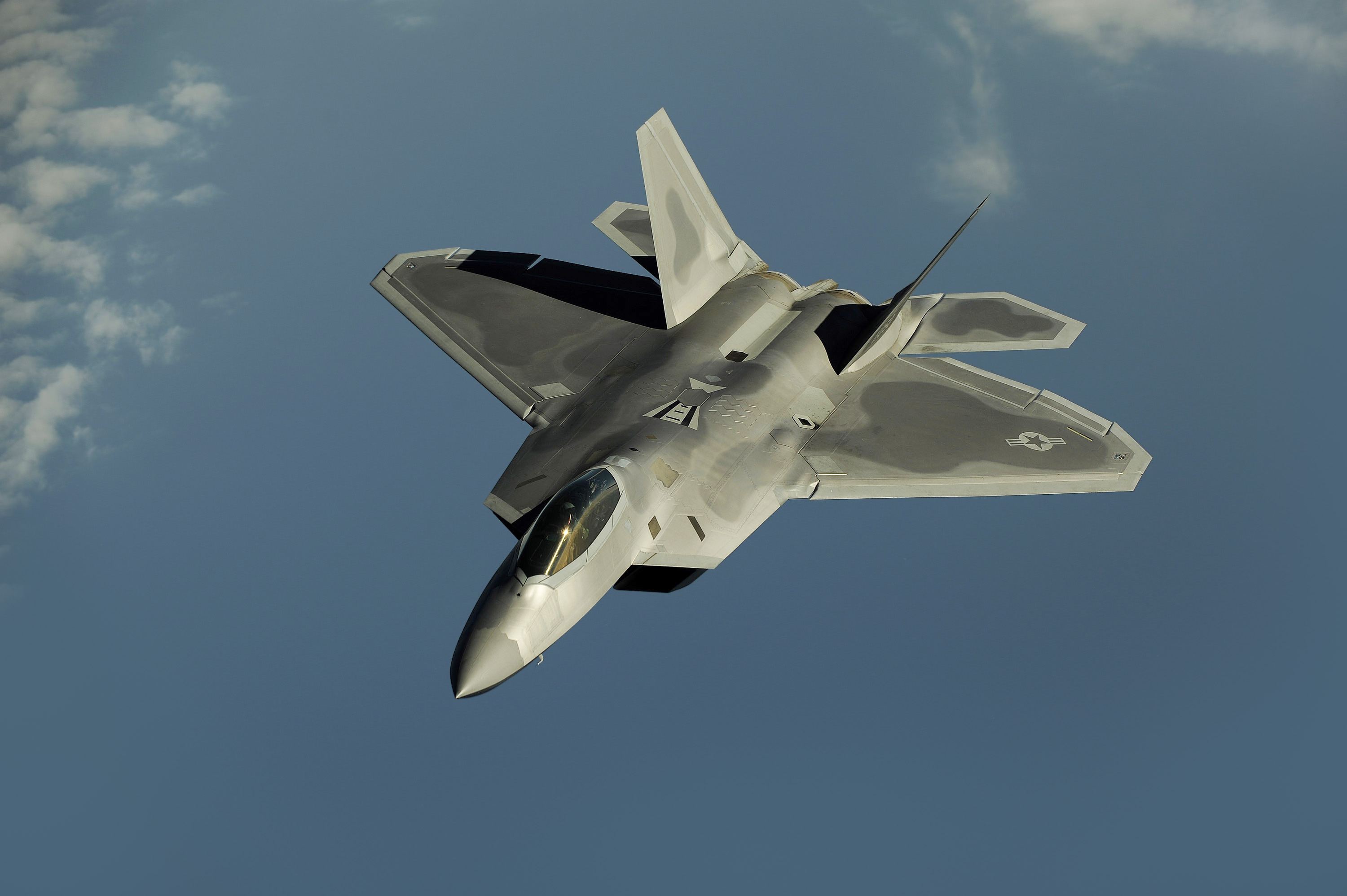
Peru’s fighter-jet saga is suddenly being pulled into the wider Iran war news cycle, and not only because of the aircraft on offer. The Lockheed Martin F-16 Block 70 is no longer being sold merely as a brochure aircraft. After reports that a Bahraini F-16 Block 70 scored the type’s first air-to-air kills against two Iranian drones on April 1, the jet now carries fresh combat symbolism. That matters politically, commercially and psychologically.
But the first question readers should ask is simple: has Peru actually signed the deal? The answer, at least from the strongest public reporting, is more complicated than many viral posts suggest. The numbers being circulated are huge: about $3.5 billion, with an initial package of 12 aircraft and support, and a broader pathway that could reach 24 jets. Yet the clearest reporting from the last 48 hours says Peru’s interim leadership deferred the purchase decision to the next administration rather than fully locking it in. That does not kill the deal. It just means the political theater is ahead of the paperwork.
Why does the F-16 still look like the frontrunner? Because the offer is not only about airframes. It is about training, munitions, logistics, software, weapons integration, maintenance support and interoperability with U.S.-aligned partners. In the current global environment, that package matters more than a simple sticker price. The Iran war has reinforced the value of air-defense networks, quick-response fighter intercepts, and combat-proven supply chains. Even countries far from the Gulf are reading the same lesson: deterrence is not theoretical anymore.
The reported Bahrain intercept gave the Block 70 a marketing boost money cannot buy. Defense markets do not respond only to technical brochures; they respond to narrative. A jet that has been seen in action against real drones in a real regional war suddenly feels more relevant to governments worried about low-cost aerial threats, border incidents and strategic signaling. Peru’s military planners do not face Iran. But they do face a world where drones, precision munitions and rapid escalation are redefining air power.
Still, Peru’s internal political instability is the obstacle everyone keeps coming back to. Transitional governments are often reluctant to sign one of the largest defense contracts in national history, especially when elections are near and corruption scandals are never far away. That creates an opening for uncertainty, lobbying and foreign competition. Sweden’s Gripen and France’s Rafale do not disappear simply because the F-16 appears ahead. If Lima delays too long, the competition could reopen in practice even if not in theory.
There is also a deeper strategic angle. In an age of fragmented supply chains, should a mid-sized country buy the most globally networked fighter ecosystem it can access, or should it hedge by choosing a platform that gives it more political autonomy? Supporters of the F-16 say the answer is obvious: access to U.S. weapons, sensors and upgrades outweighs everything else. Critics ask a more uncomfortable question: what happens if future geopolitical pressure turns that dependency into leverage?
So the real story is not that Peru has definitively signed or definitively walked away. The real story is that the F-16 has moved from being a procurement option to being the benchmark around which the whole debate is now framed. And the Iran war has only sharpened that shift.
If Peru’s next government wants a symbol of alignment, readiness and immediate credibility, the Viper is the obvious candidate. If it wants more room for maneuver, the debate is not over. Either way, one thing is clear: combat headlines from the Gulf are now shaping arms decisions in South America. That alone tells you how connected this war has become.