Poland’s Constitutional Court Standoff Explodes as Nawrocki Returns to Warsaw—Who Has the Right to Control the Tribunal?
A judge suspended the tribunal chief, police secured the building and President Nawrocki cut short a foreign trip. Claims he forced entry and a mock order to suspend Tusk need careful context.
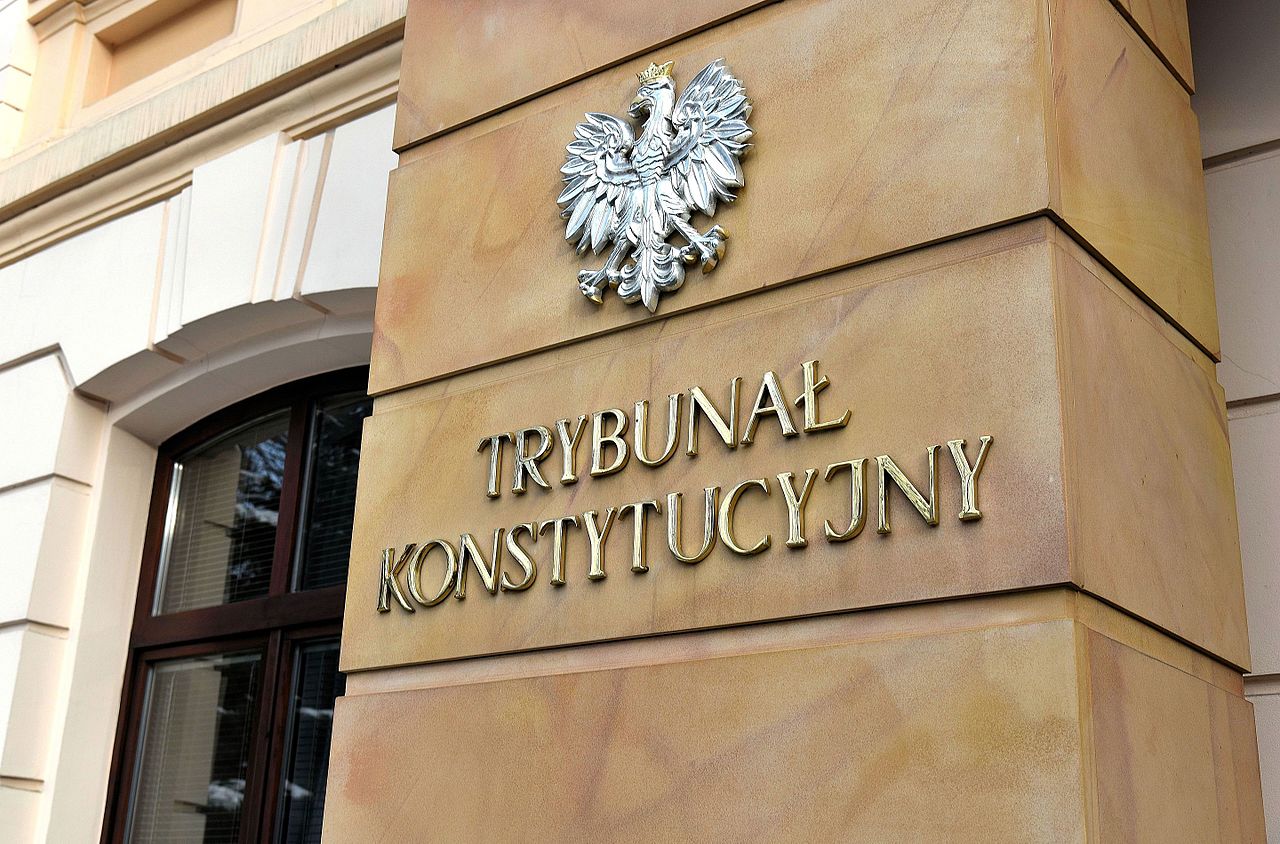
Poland's constitutional conflict escalated sharply after a judge announced the temporary suspension of the Constitutional Tribunal's president and vice president, police were deployed around the court and President Karol Nawrocki abandoned a trip to Senegal to return to Warsaw. Video and competing statements have turned the dispute into a street-level confrontation, with protesters chanting “Topple Tusk.” But claims that Nawrocki forced his way into the building and that a European Parliament member legally suspended Prime Minister Donald Tusk need to be separated from what is confirmed.
What happened at the tribunal?
Judge Anna Korwin-Piotrowska said she was taking charge of the tribunal and ordered a one-month suspension of President Bogdan Swieczkowski and Vice President Bartlomiej Sochanski. The move followed a long-running dispute over whether judges elected by Prime Minister Donald Tusk's parliamentary majority can take their seats. Swieczkowski, appointed under the previous Law and Justice (PiS) government, has refused to seat them; Tusk's coalition says it is restoring constitutional order after years of politicized appointments. Nawrocki, allied with PiS, returned to Poland and entered the tribunal with Supreme Court First President Zbigniew Kapinski. Accounts differ over whether police blocked access earlier and whether the president had to push past them. Police said officers were on the grounds but did not enter the building.
The opposing camps describe the same events in starkly different terms. Tusk's government says it is correcting unlawful institutional arrangements. PiS leaders call the action a coup and say the court is being seized by political loyalists. The United States ambassador described the situation as serious and urged officials and demonstrators to avoid escalation, while declining to take sides.
A viral “order” is not a legal suspension
Posts also circulated an apparent order by a Polish MEP purporting to suspend Tusk from his duties, including control of police and security services. No MEP has authority to remove a Polish prime minister or transfer domestic executive powers. Unless a competent Polish court or constitutional process has issued such a decision, the document should be treated as satire or political theater, not a valid order. A dramatic image can spread faster than the legal context needed to understand it.
The confrontation is rooted in a deeper dispute dating back to PiS-era appointments and the EU's criticism of judicial independence. Each side claims its actions are necessary to restore legality. The institutional cost is that citizens may see every court ruling as an extension of party politics.
What should resolve the dispute?
Who has the authority to suspend a tribunal president, and what procedure can resolve competing claims when the judges themselves are divided? Can the government restore the rule of law through steps that its opponents regard as unlawful? And how can police protect the court without becoming symbols in a partisan confrontation? The answers require independent legal scrutiny, published reasoning and restraint from politicians who are mobilizing supporters outside the building.
The institutional consequences could outlast this week
Poland's dispute is also being watched in Brussels, where rule-of-law conflicts have previously affected EU funding and relations. The current government argues that restoring judicial independence requires undoing decisions made under PiS. Opponents say those remedies risk repeating the same politicization in reverse. Both arguments should be tested against the law and the court's institutional record, not only party loyalties.
A tribunal whose leadership is contested may struggle to command public trust even if one side eventually prevails. The immediate risk is that rival officials issue competing instructions and citizens no longer know which rulings are binding. Could a cross-party legal process settle the appointments dispute? Or has the conflict become so polarized that each side will treat compromise as surrender? The answer will shape whether Poland can restore predictable constitutional governance.