Poland Said No to the Middle East. What a Patriot Refusal Really Means
The U.S. reportedly asked Poland to consider sending a Patriot battery to the Middle East. Warsaw refused. On paper it is about protecting the NATO eastern flank. In practice it is also about alliance priorities, war fatigue and strategic limits.
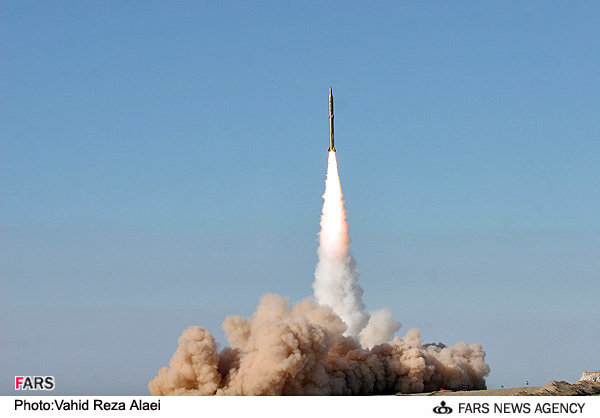
Warsaw's answer was short, and that is why it matters.
No.
Reports in Poland said the United States informally asked Warsaw to consider redeploying one of its Patriot missile defense systems — and possibly related interceptors — to the Middle East. Polish Defence Minister Władysław Kosiniak-Kamysz responded that Poland's Patriot batteries are there to protect Polish skies and NATO's eastern flank, and that nothing is changing.
On the surface, this looks like simple national self-interest.
It is more than that.
Patriot systems are not symbolic assets. They are scarce, high-value, politically visible and strategically revealing. When a country moves one, it is making a statement about which threat matters most.
Poland's choice says that, even in the middle of a dramatic Gulf war, Warsaw still sees the primary military danger as eastern, not southern.
That is logical. Poland sits on the edge of the alliance's most exposed frontier. It has spent years building a posture around deterrence, missile defense and the protection of routes linked to Ukraine. Handing a Patriot battery to the Middle East would not just reduce capability. It would also send a message that the Gulf emergency outranks the eastern flank.
Warsaw is clearly unwilling to send that signal.
There is also a second layer.
A refusal by Poland is different from a refusal by Spain or Italy. Spain's objections are political and legal. Italy's are procedural and sovereignty-based. Poland's are threat-based. Warsaw is not refusing because it wants to weaken the United States. It is refusing because it believes the alliance's front line is somewhere else.
That makes the message harder for Washington to dismiss.
It says: even one of America's most security-minded European partners is not prepared to strip its own defenses for a war in the Gulf.
That should worry anyone in Washington assuming allied support can simply be requisitioned on demand.
There is also a practical issue the war keeps exposing: advanced missile defense is not infinite. Patriots, PAC-3 interceptors, high-end radars and trained crews are in short supply. Every redeployment creates vulnerability somewhere else. The longer the conflict runs, the more allies will ask the same question Poland just answered first:
Why should our defenses move, if this is not our war?