Putin Says Europe Has Nothing to Fear
Putin says Russia is not preparing a conflict with Europe. European intelligence agencies still warn that limited attacks and hybrid operations are possible.
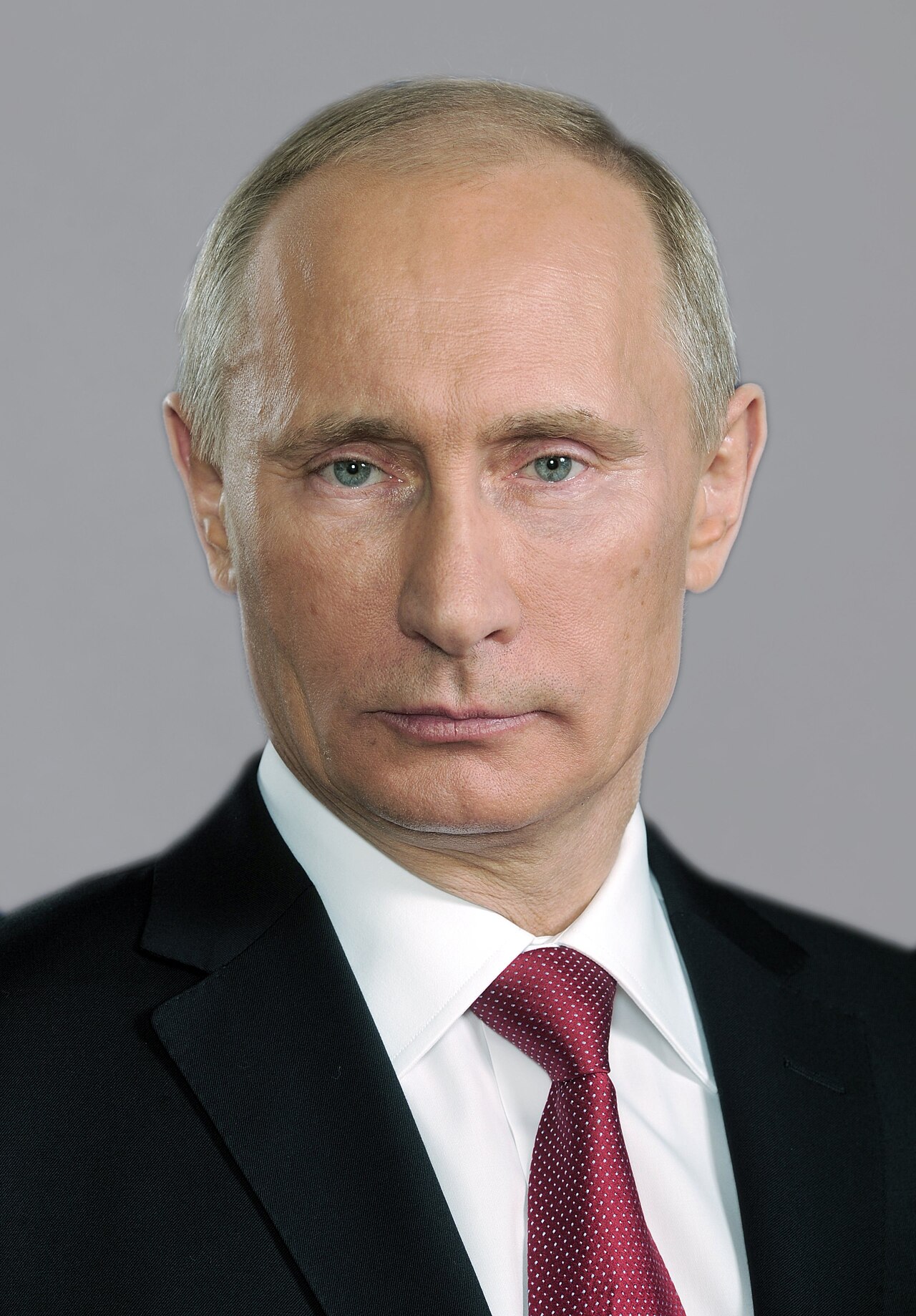
Vladimir Putin says Russia is not preparing for conflict with Europe. The statement is designed to answer a growing chorus of European leaders and intelligence services warning that the Ukraine war could expand into a direct confrontation with NATO.
The denial matters, but it cannot settle the question by itself.
Russia also insisted before February 2022 that Western claims of a major invasion of Ukraine were alarmist. That history makes European governments reluctant to treat reassurance from Moscow as proof of intent. Russia counters that NATO uses worst-case scenarios to justify military spending and deployments near its borders.
Both sides now describe the other as preparing for a war it claims not to want.
What European intelligence is actually saying
Most recent public assessments do not predict Russian tanks crossing deep into NATO territory next week. They describe a spectrum of risk.
Cyberattacks, sabotage, GPS disruption, influence operations and covert attacks on infrastructure are already treated as active threats. A more serious scenario involves a limited drone or missile incident, a maritime confrontation or an operation designed to test whether NATO members respond collectively.
Danish intelligence has said a Russian invasion of a NATO country is no longer impossible while still judging a full attack unlikely under current conditions. Other European officials warn that Russia could rebuild conventional capacity over several years, especially if the Ukraine war freezes and the United States reduces its presence.
That is different from saying Putin has made a final decision to attack.
Why Moscow denies aggressive plans
Russia wants to divide European threat perceptions. If voters believe war warnings are exaggerated, they may resist higher defense budgets, conscription and long-term aid to Ukraine. Putin can present himself as reasonable while portraying NATO leaders as manufacturing fear.
The Kremlin also has genuine reasons to avoid direct war with the alliance. NATO’s combined economy, air power and nuclear forces would make escalation extraordinarily costly. Russia remains heavily committed in Ukraine and vulnerable to additional sanctions and military losses.
Deterrence works partly because those costs are understood. A denial may therefore reflect both propaganda and a rational preference to stay below NATO’s collective-defense threshold.
Europe’s preparation dilemma
Preparing for war can reduce the chance of war by convincing an adversary that aggression will fail. It can also intensify the security dilemma: each defensive deployment appears offensive from the other side.
Germany is expanding military readiness and hospital planning. Baltic states want more allied forces and hardened infrastructure. Britain urges household resilience against cyberattacks and emergencies. Moscow cites these moves as evidence that Europe is militarizing.
The difference between prudent preparation and self-fulfilling escalation lies in transparency, proportionality and communication. NATO can strengthen air defense and logistics while publicly defining exercises and keeping military hotlines open.
Ukraine remains the central variable
If the war continues into 2027, Russia and NATO will keep operating close to one another across air, sea and cyber domains. A drone entering Polish airspace or a strike near the Romanian border may be accidental, deliberate or misidentified. Political leaders may have minutes to judge.
A settlement in Ukraine would reduce immediate contact but not erase distrust. Russia’s relations with Germany and other European states have already deteriorated, while sanctions and rearmament plans will outlast any ceasefire.
Conversely, a Russian breakthrough or collapse of Ukrainian defenses could increase fear that Moscow will test neighboring states. A stable, monitored settlement matters to European security even if it does not produce friendship.
Which evidence deserves weight?
Public statements reveal diplomatic positioning, not secret operational decisions. More useful indicators include mobilization, ammunition production, force structure, logistics near borders and changes in nuclear posture.
European agencies also have incentives to emphasize danger when seeking budgets. Their assessments should be scrutinized, not dismissed. Intelligence is probability, not prophecy.
What to watch next
- Russian force movements after any Ukraine ceasefire.
- NATO deployments and exercise transparency near Russia’s borders.
- Investigations into sabotage and drone incidents with publishable evidence.
- Restoration or breakdown of military deconfliction channels.
- Whether European warnings distinguish hybrid activity from conventional invasion.
Is Putin offering a genuine reassurance because Russia wants to avoid a wider war, or using peaceful language while preserving the option to test NATO below the threshold of an obvious invasion?