Putin Praises Trump’s Peace Push as Ukraine War Drifts Toward 2027: Diplomacy Breakthrough or Strategic Delay?
Putin praised American mediation in a call with Trump, while U.S. envoys carried proposals between Moscow and Kyiv. No breakthrough emerged, and both sides are preparing for combat into 2027.
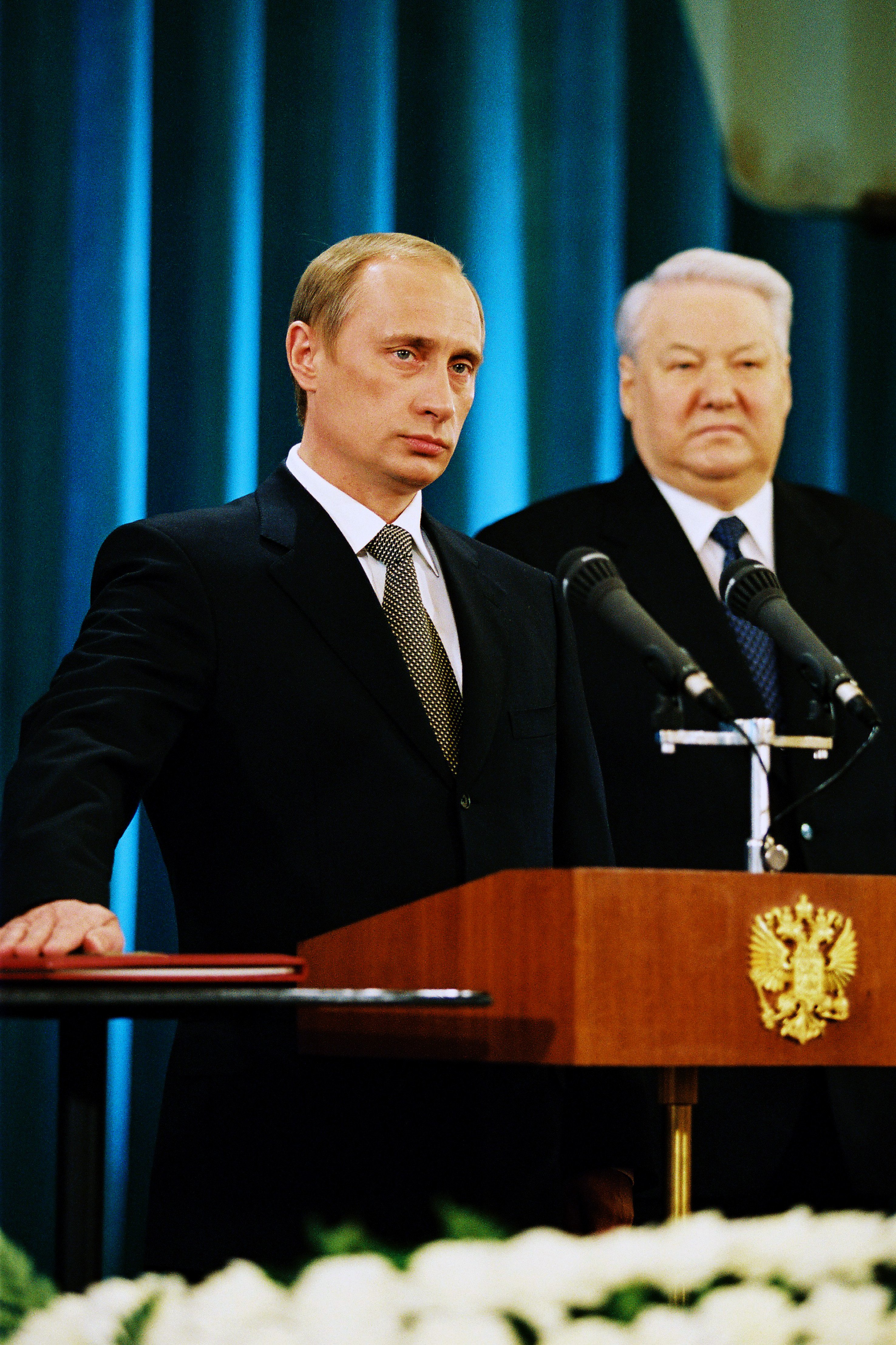
President Vladimir Putin has praised American peace efforts during a call with President Donald Trump, days after U.S. envoys carried proposals between Moscow and Kyiv. The words sound encouraging. The military preparations, unresolved demands and absence of a signed framework suggest the war may continue into 2027.
According to the Kremlin, Trump told Putin he wanted a rapid end to the conflict and restored U.S.-Russia relations. Putin spoke positively about the work of envoys Steve Witkoff and Jared Kushner, who held more than three hours of talks in Moscow before meeting Ukrainian officials in Kyiv.
Ukraine's President Volodymyr Zelensky described some American ideas as “decent” and said discussions had created a new dynamic. He also stressed that talks must produce tangible results and sought further air-defense support for winter. No party announced agreement on territory, security guarantees or sanctions.
This is diplomacy, but it is not yet a peace process with accepted terms. Personal calls can clarify positions and prevent miscalculation. They can also create optimistic headlines while each side waits for the battlefield to improve its leverage.
The central dispute remains land. Russia claims Crimea and four Ukrainian regions and demands recognition of territorial changes, limits on Ukraine's military and exclusion from NATO. Ukraine rejects forced annexation and wants reliable security guarantees. The parties can agree on exchanges or infrastructure rules without bridging that strategic divide.
Putin's praise may be sincere in a limited sense. Washington is engaging directly, discussing economic normalization and treating Russia as an indispensable negotiator. That format gives Moscow status and may create pressure on Kyiv to consider compromises.
It may also be tactical. Friendly language toward Trump can preserve a channel, discourage new U.S. sanctions and shift blame for failure onto Ukraine or Europe. Russia can welcome mediation while setting conditions it expects Kyiv to reject.
Trump has his own incentives. He promised to end the war and wants evidence that personal diplomacy can succeed where previous policy did not. A visible process benefits him politically, but urgency can weaken a mediator if belligerents believe Washington values any agreement more than a durable one.
The claim that Russia will prolong the war into 2027 should therefore be understood as an assessment, not a Kremlin announcement. Russia continues recruitment, weapons production and offensive operations. Ukraine plans winter defense and asks for interceptors extending into next year. Those facts show preparation for failure of diplomacy, not proof that leaders have ruled peace out.
Recent violence illustrates the contradiction. Russia paused strikes on Kyiv during the envoys' visit, then launched a large missile-and-drone attack after the window expired. Moscow can present this as precise compliance with a limited arrangement. Kyiv can present it as evidence that Russia used diplomacy as a temporary stage prop.
Even a narrow pause has value if it shows orders can be transmitted and observed. Future steps might protect energy infrastructure, shipping or particular cities, followed by prisoner exchanges and monitoring. But partial deals can also free forces for attacks elsewhere unless embedded in a wider framework.
Europe worries about negotiations conducted over Ukraine's head and about a settlement that rewards aggression. Russia accuses Europe of obstructing peace. Kyiv needs U.S. support but cannot easily accept a deal perceived domestically as surrender. Every government therefore has both veto power and reason to blame the others.
Economic projects mentioned in Moscow add another layer. Prospective U.S.-Russia trade can serve as an incentive for peace, but discussing profits before security terms may look like normalization purchased with Ukrainian territory. Transparency about sequencing will matter.
A serious process requires written proposals, verified ceasefire mechanisms, maps, enforcement and clarity about what happens after a violation. Warm statements and long meetings are inputs, not outcomes.
The timetable may depend on winter. Russia could calculate that attacks on energy infrastructure and Ukraine's interceptor shortage improve its leverage. Ukraine may believe new weapons, European financing and continued Russian losses strengthen its position by spring. If both expect time to help them, praise for diplomacy will not overcome incentives to wait.
Public opinion adds constraints. Ukrainians who have endured invasion may reject territorial concessions without credible protection; Russians have been told military goals are achievable. Leaders can change policy, but they must prepare societies for compromise. So far, rhetoric remains closer to victory narratives than reciprocal concession.
What to watch next
Watch whether the parties produce a shared document, accept a monitored partial ceasefire or agree to a leader-level meeting. Track force mobilization alongside diplomatic language. Is Putin's praise an opening that Trump can turn into reciprocal concessions, or a low-cost way for Moscow to keep Washington engaged while time and continued fighting reshape the bargaining table?